Marrakech
Dar Assiya – An oasis of calm in Marrakech’s old town.
Step into the timeless charm of the old Medina at Dar Assiya, perfectly situated just a few steps away from the iconic Jemaa El Fna square and the enchanting Souks, alive with centuries-old craftsmanship. Discover the 12th-century Koutoubia Mosque, explore the historic Ben Yousef Koranic School, or admire the captivating collections at the Maison de la Photographie. For a touch of modernity, the vibrant district of Gueliz lies only 10 minutes away, offering a seamless blend of tradition and contemporary Marrakesh.
For a smooth and inspiring itinerary, we have listed the places to discover. An ideal way to organise your getaway step by step, without missing any of Marrakech’s treasures. On request, we can appoint an official guide for you.
The old medina and its souks —
Strolling through the medina of Marrakech is like diving into the heart of its vibrant soul.
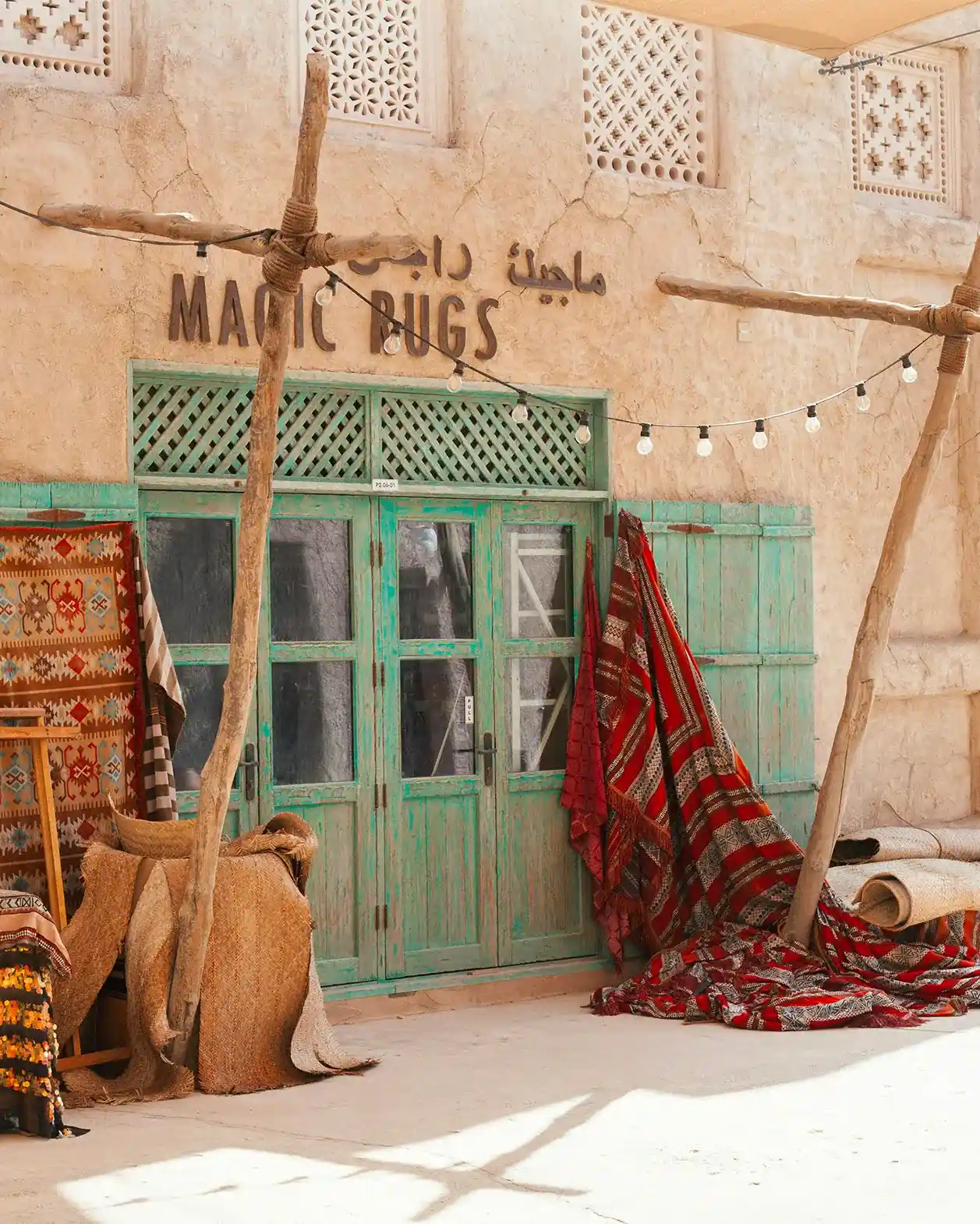
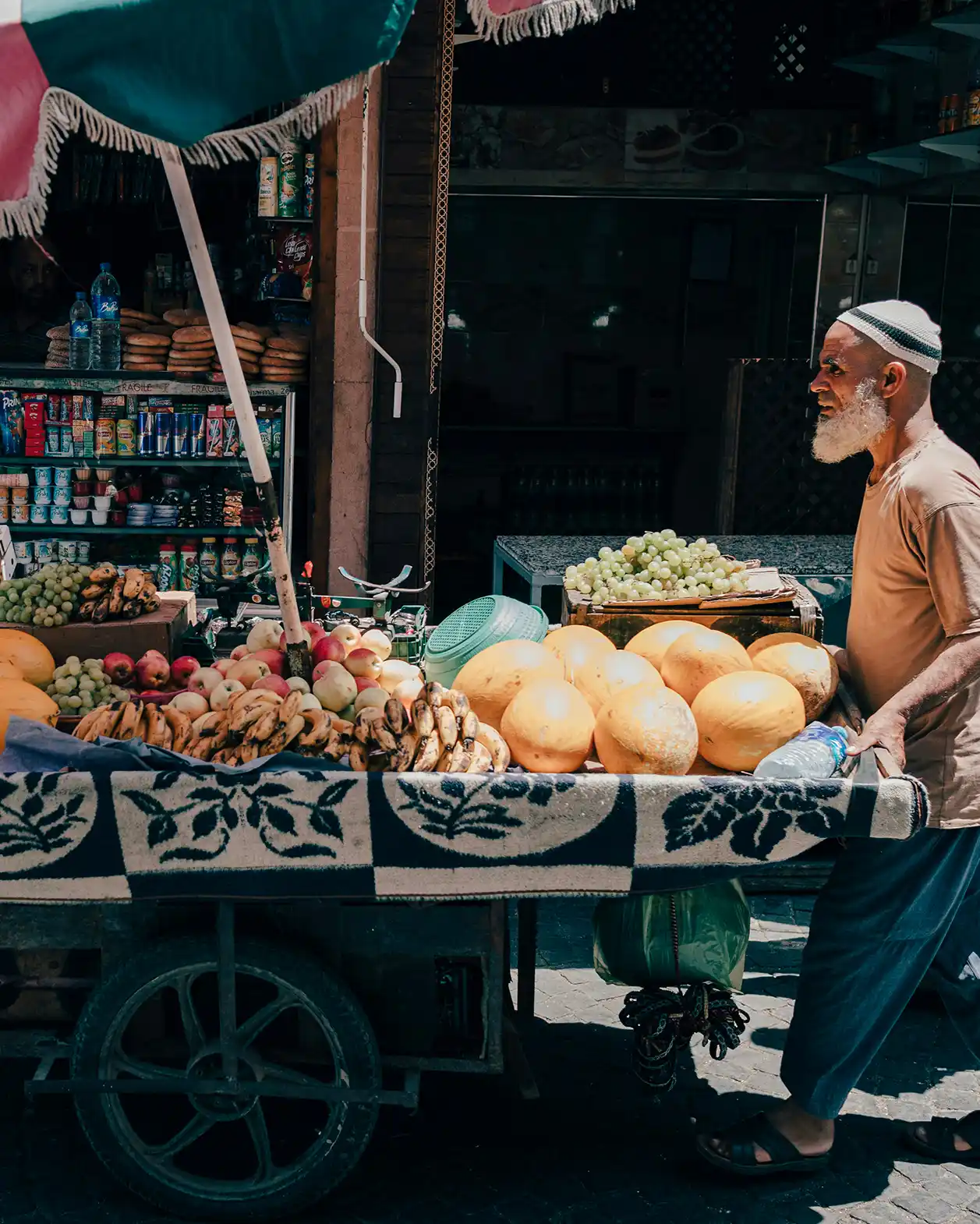
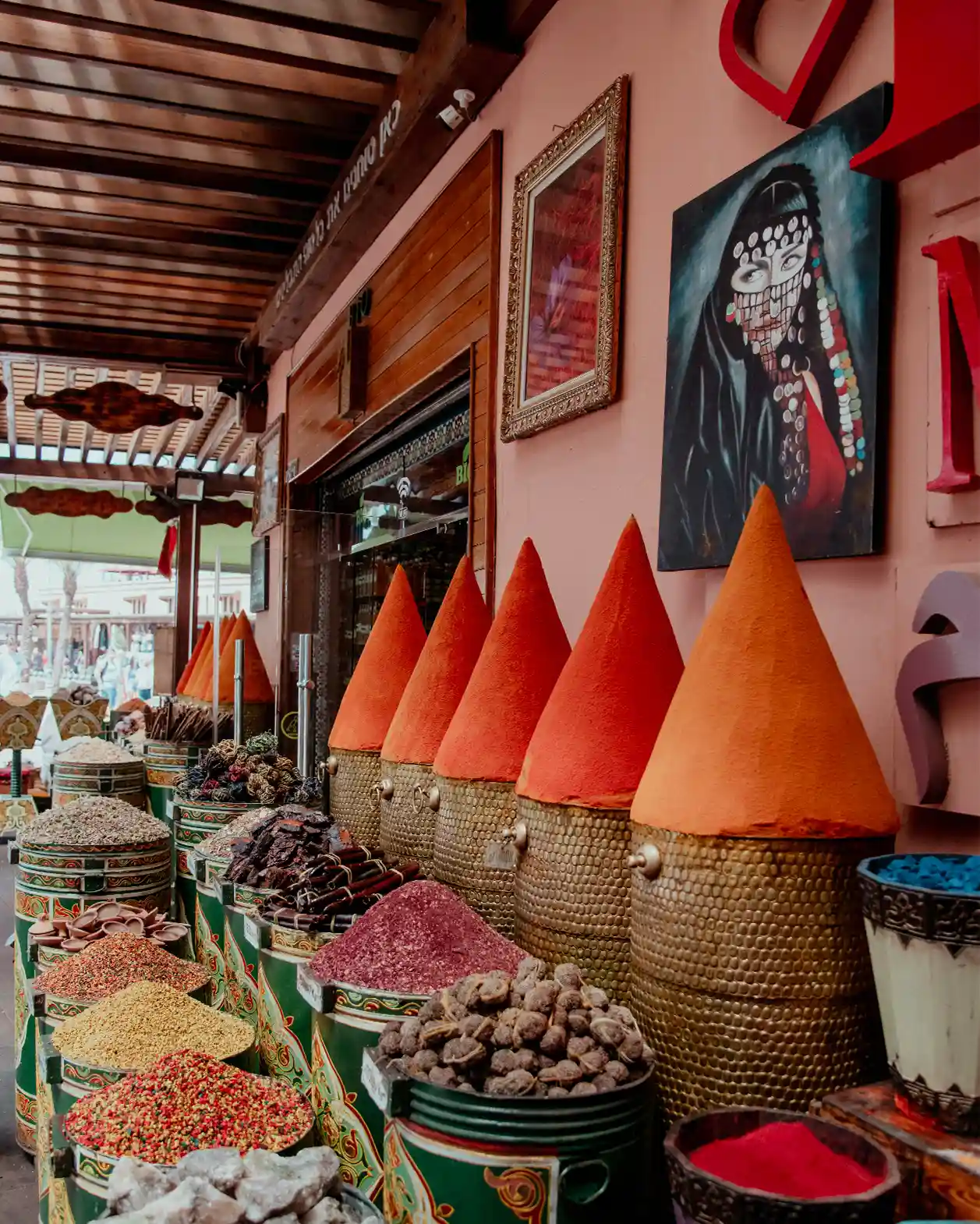
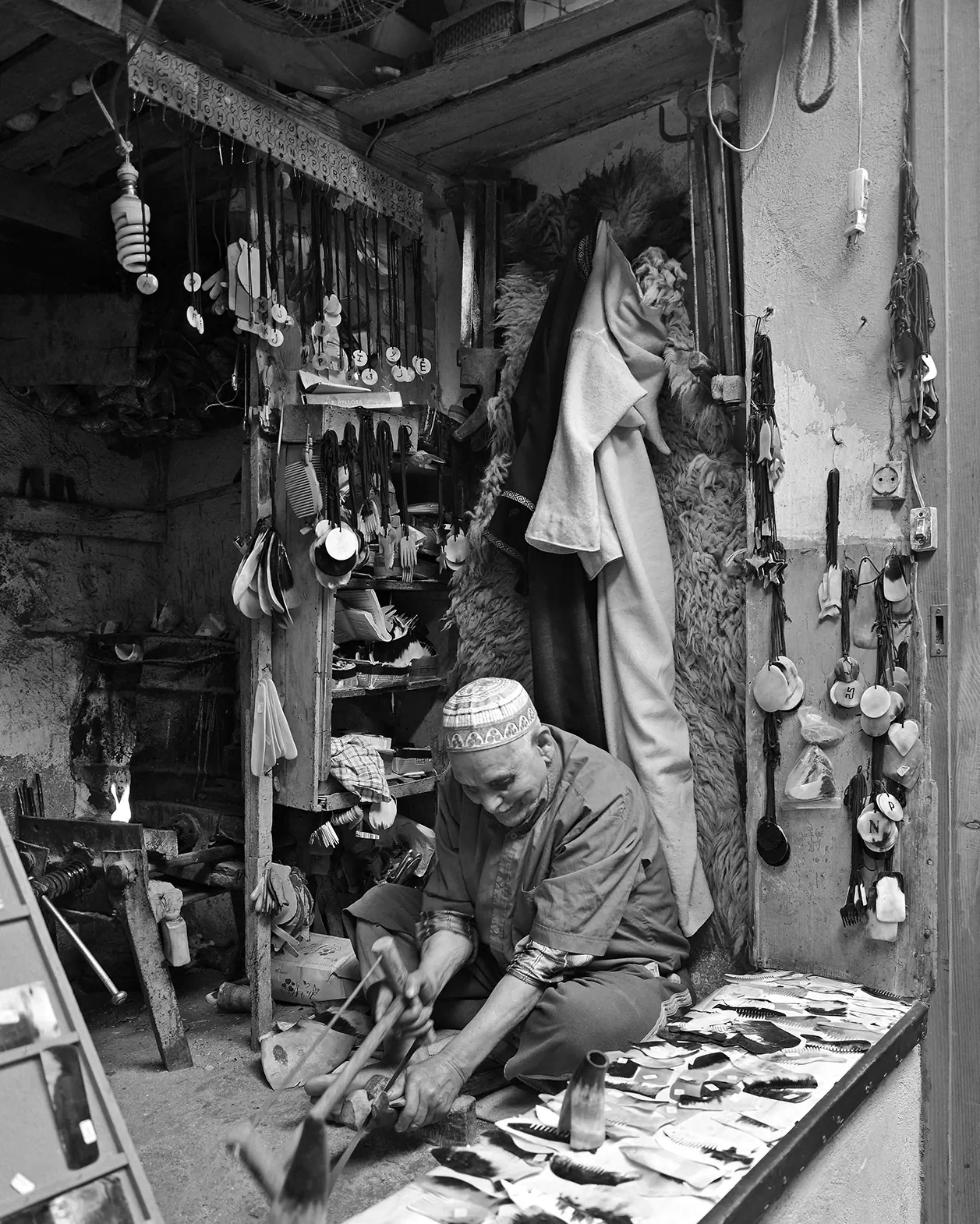
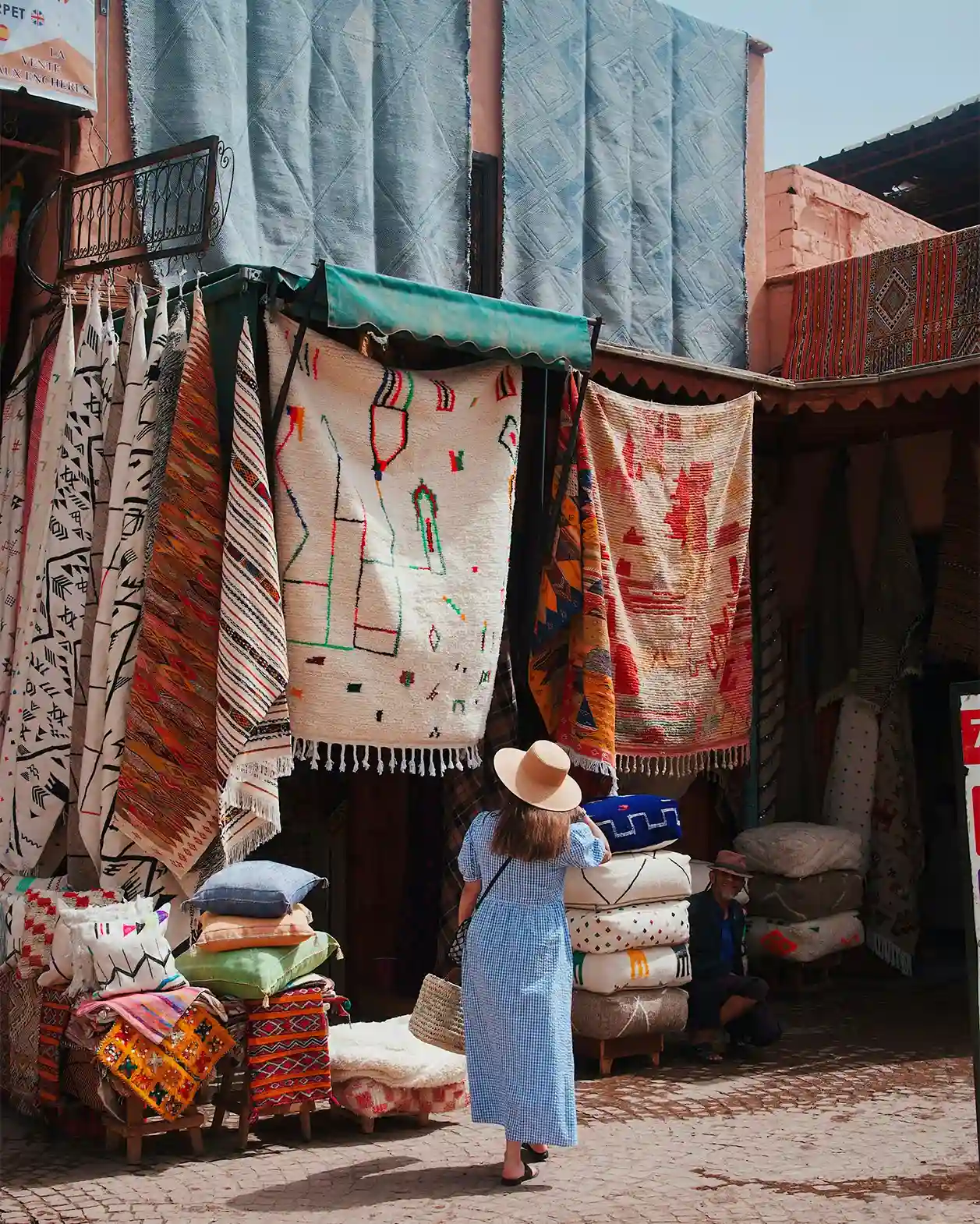
In the maze of narrow streets, artisans perpetuate ancestral crafts: leather, metal, carved wood, textiles. Each souk has its own speciality — jewellery, fabrics, dyers, spices… More than just a market, the souk is a living theatre where haggling, trading and smiling are part of the ritual.
Maison de la photo —
A glimpse of timeless Morocco.
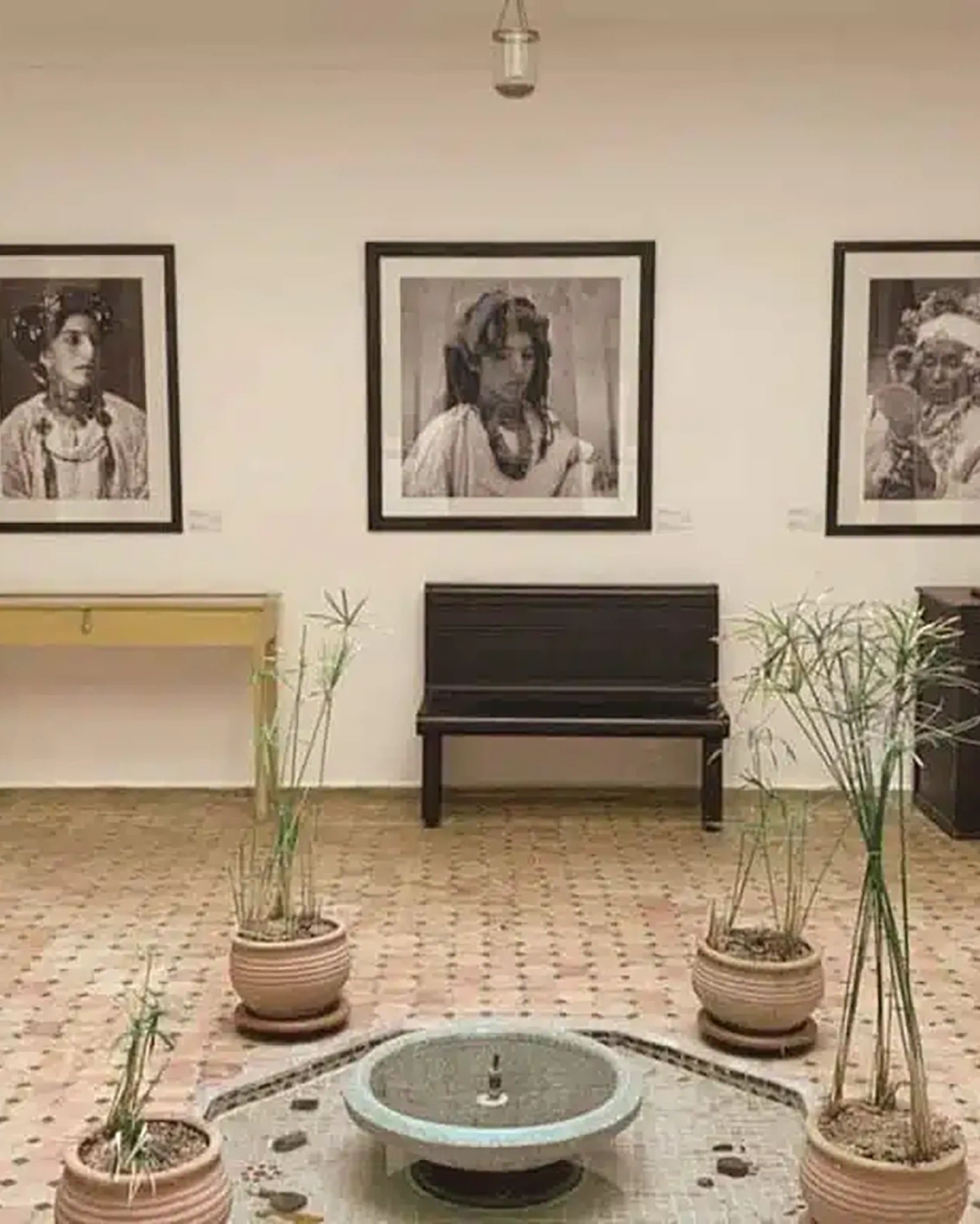
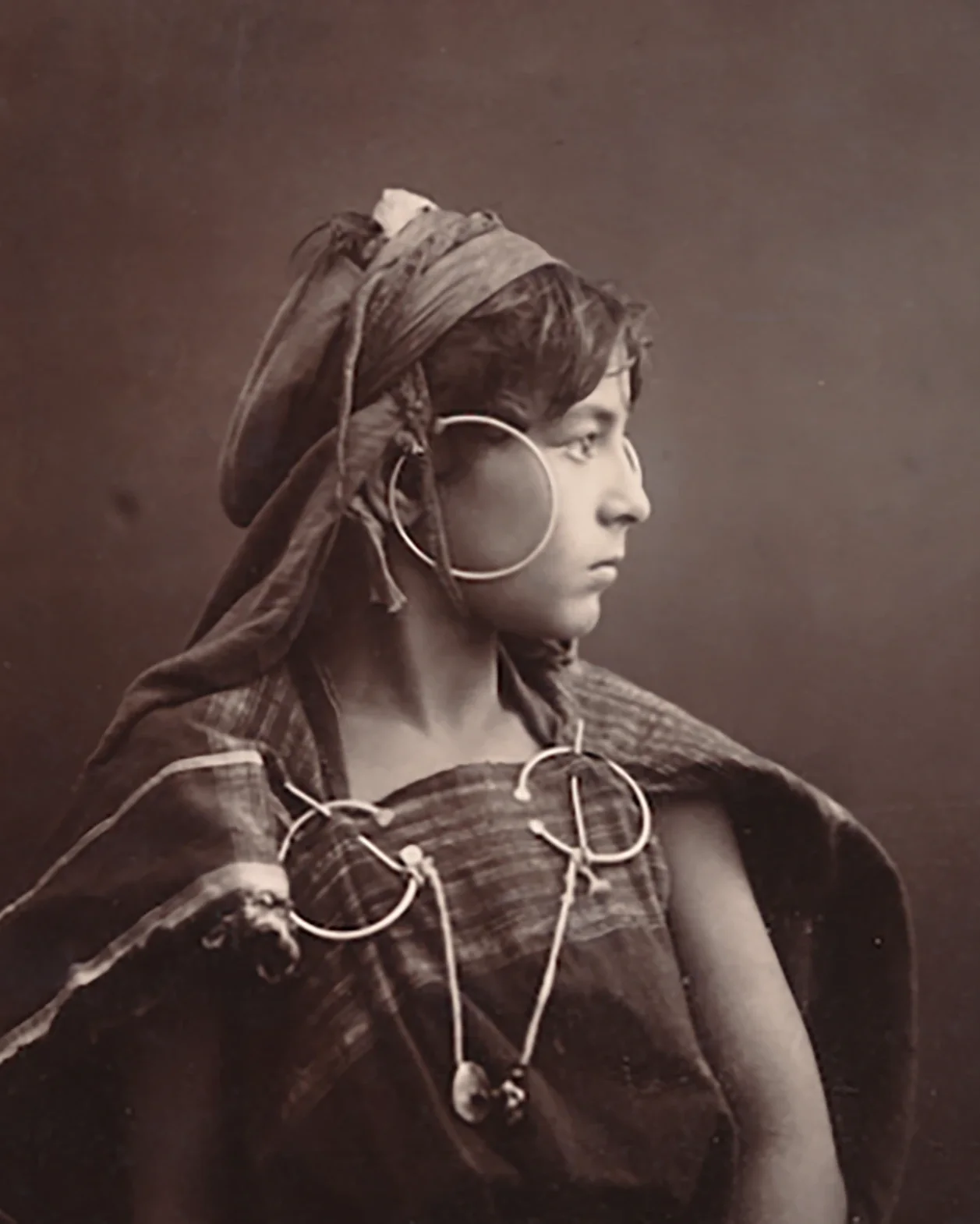
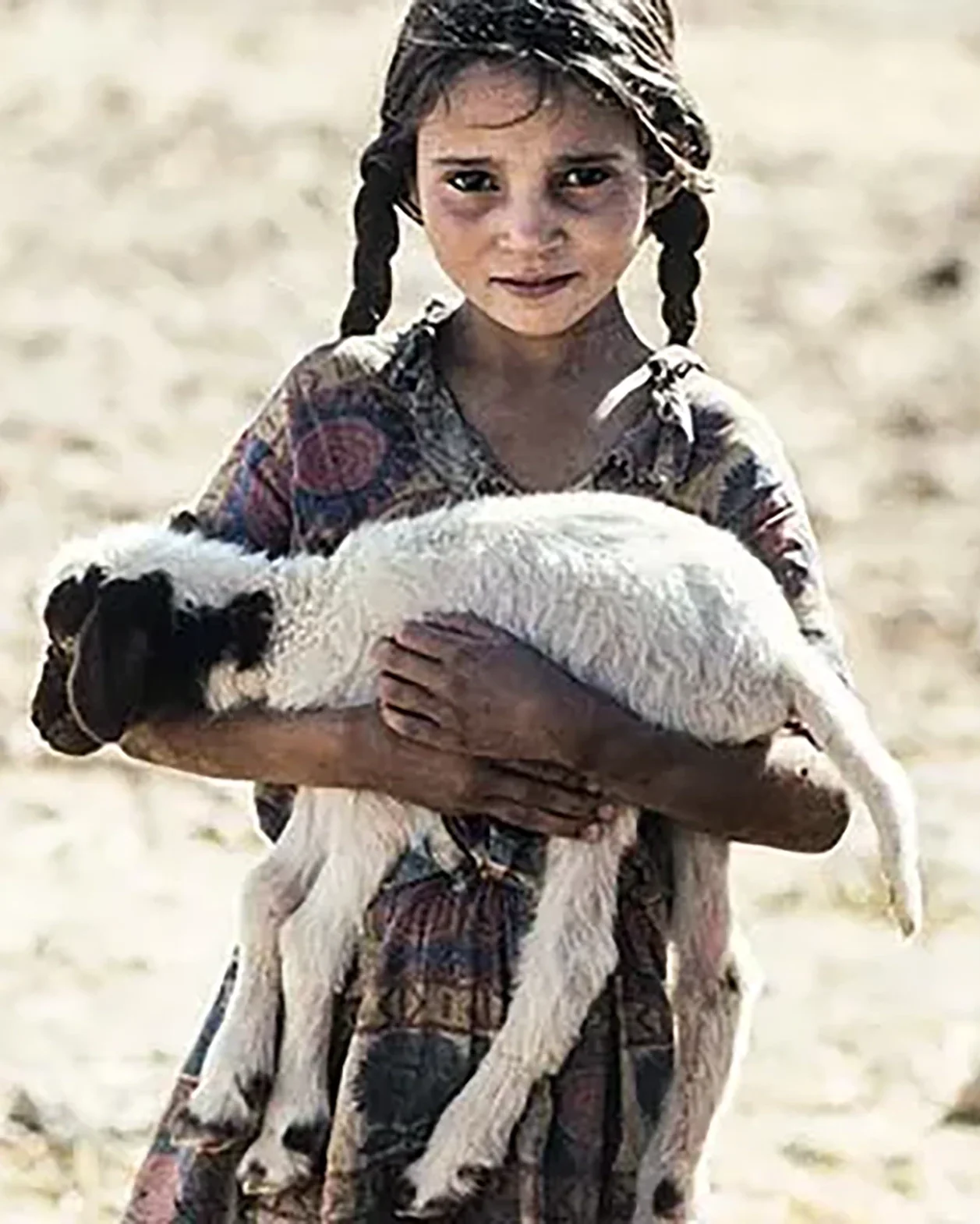
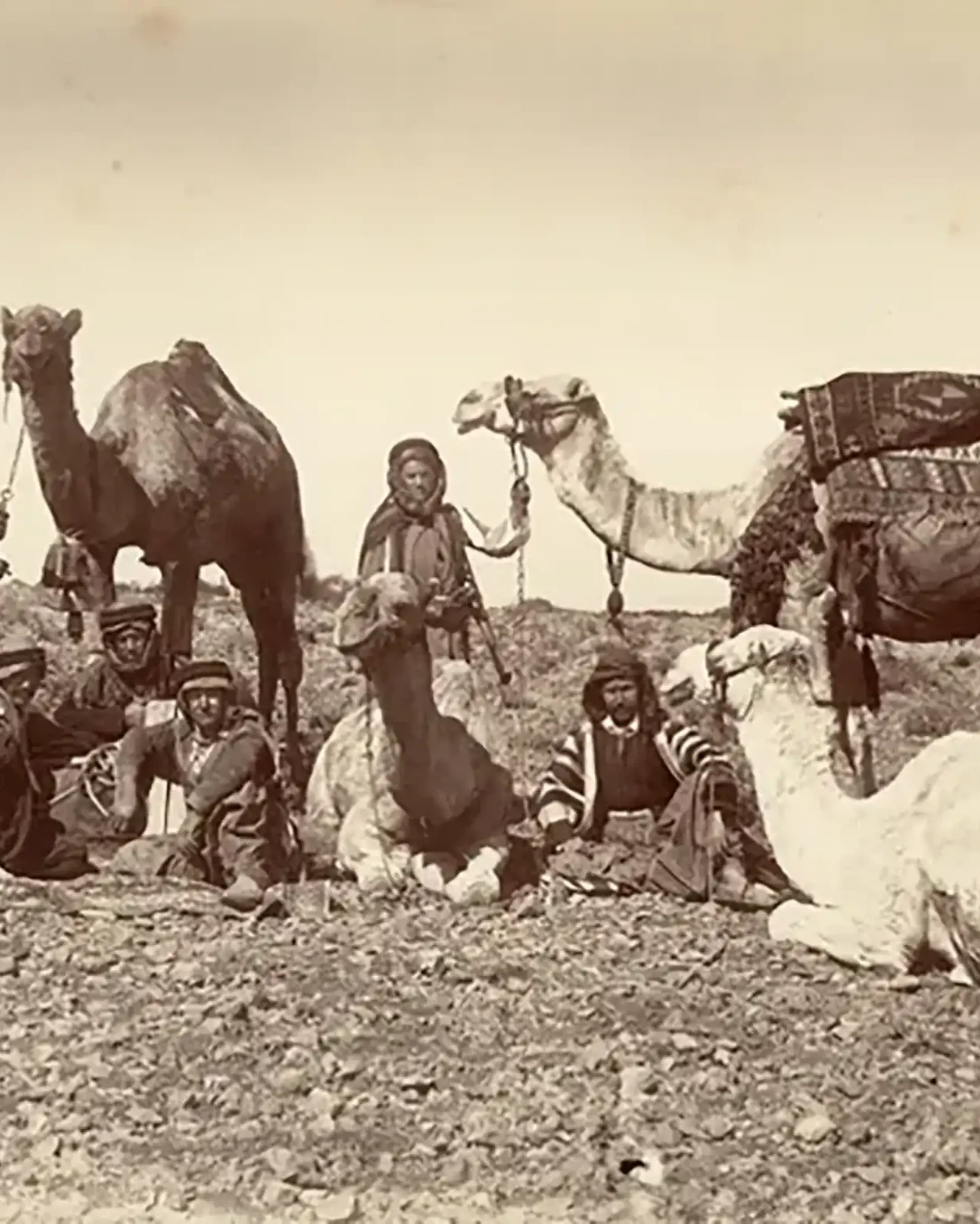
Nestled in a quiet alleyway in the medina, the Maison de la Photographie de Marrakesh is an intimate museum dedicated to the visual history of Morocco. It offers a superb collection of 19th and 20th century photographs, retracing the country’s life, landscapes and traditions. A true artistic refuge, this place invites you on a poetic journey through time, far from the hustle and bustle of the souks. Its panoramic terrace, offering breathtaking views of the medina and the Atlas Mountains, makes it an unmissable cultural and soothing stop for lovers of history and beauty.
Ben Youssef Madrasa —
Between art and spirituality: Morocco’s largest Koranic school.
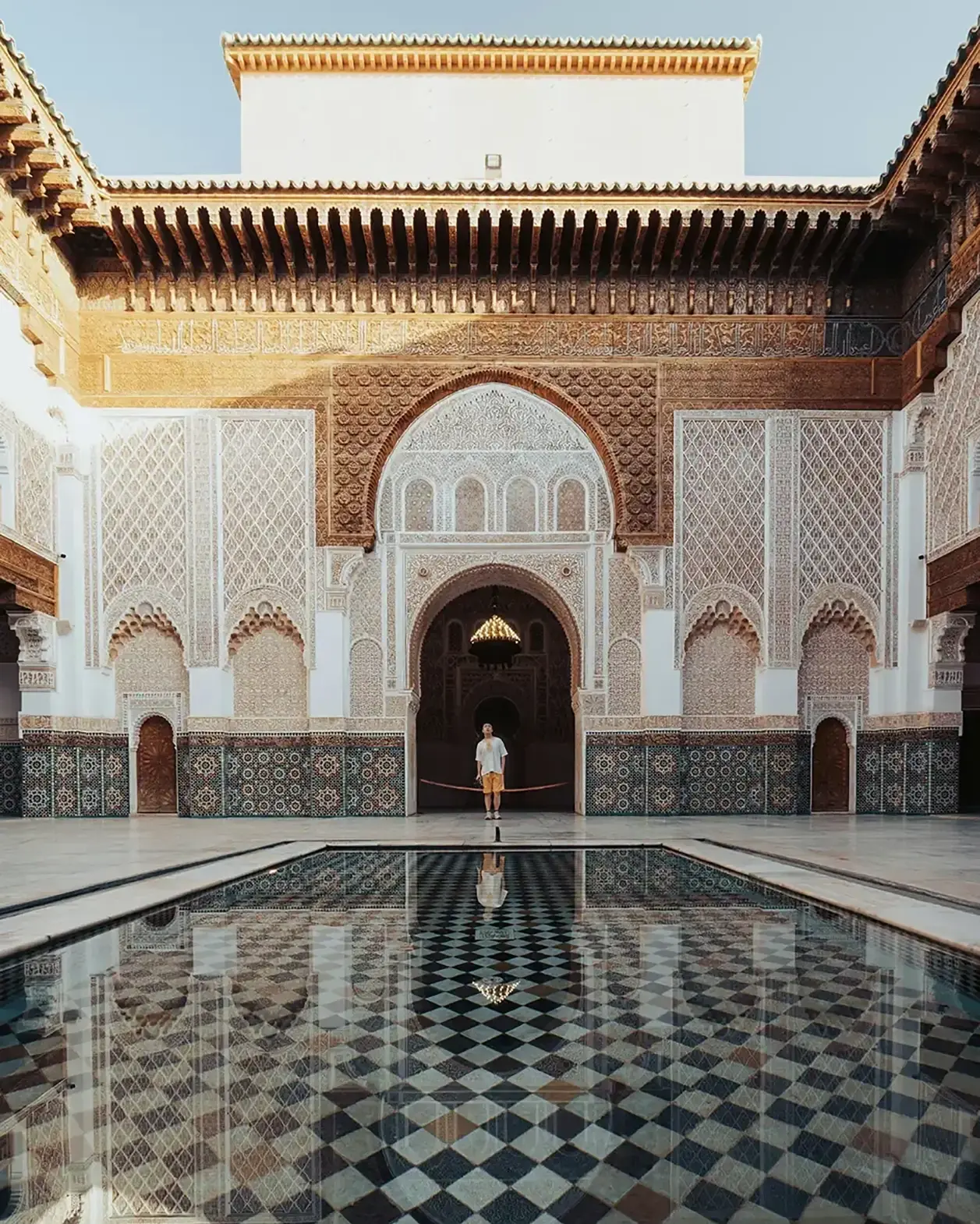
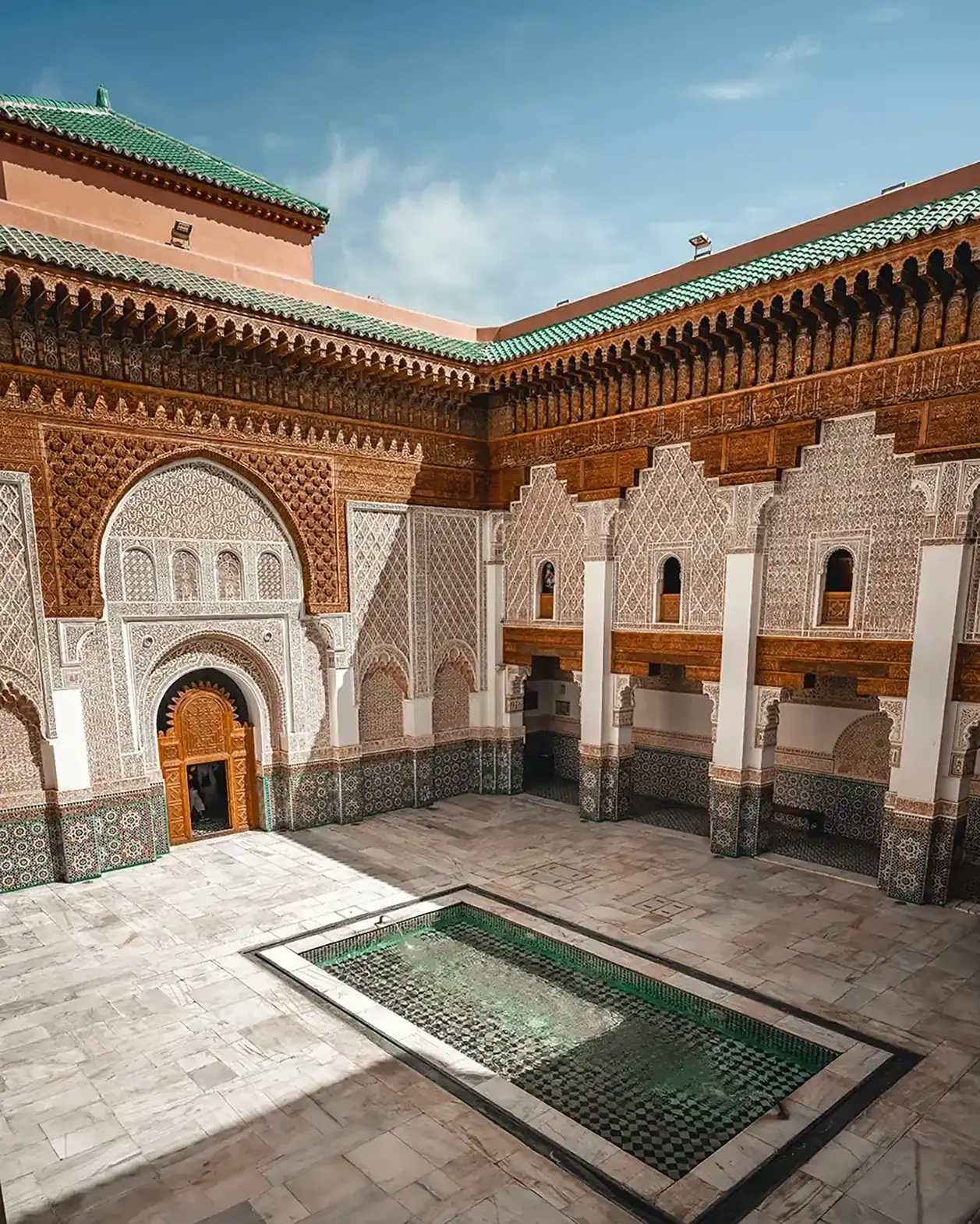
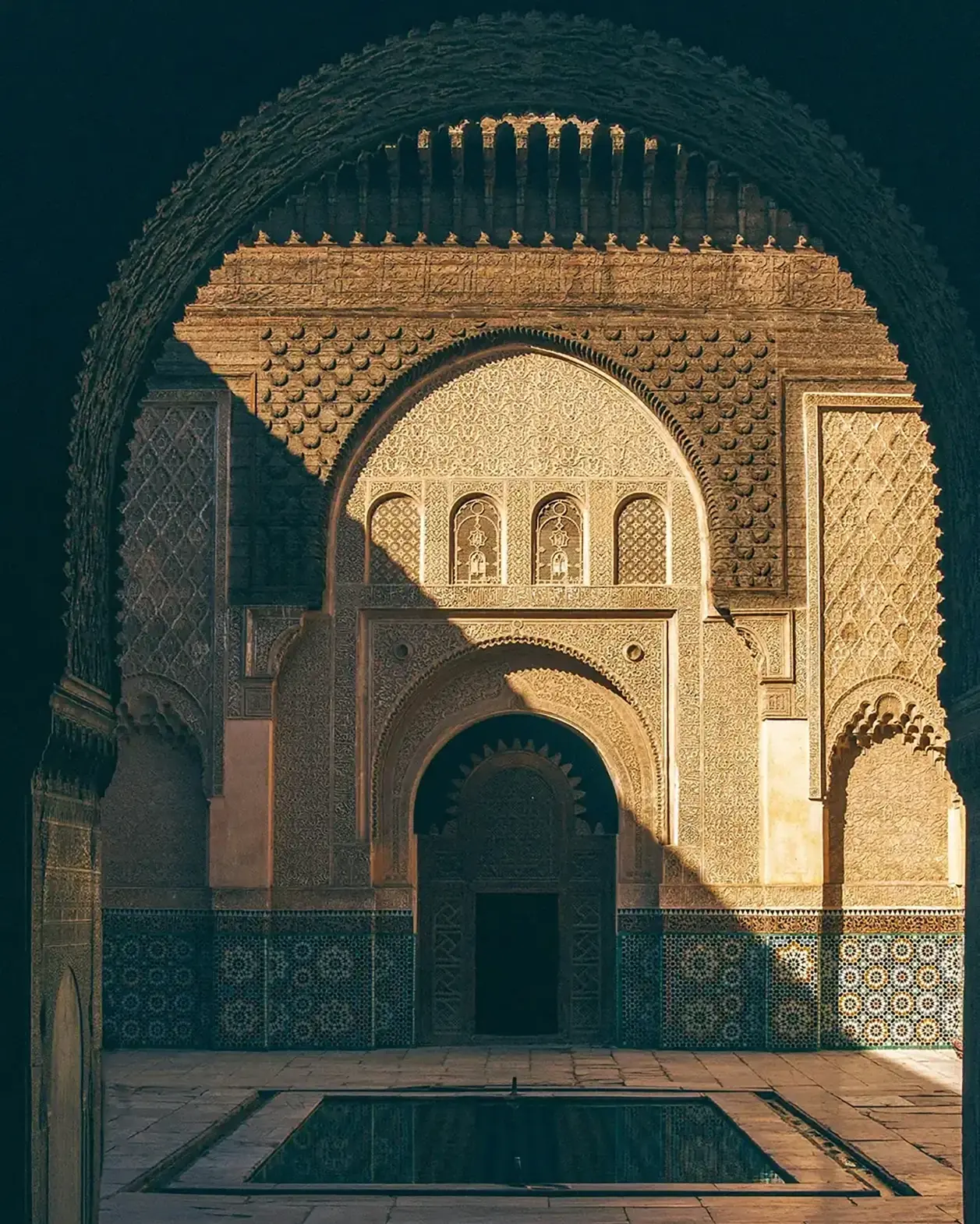
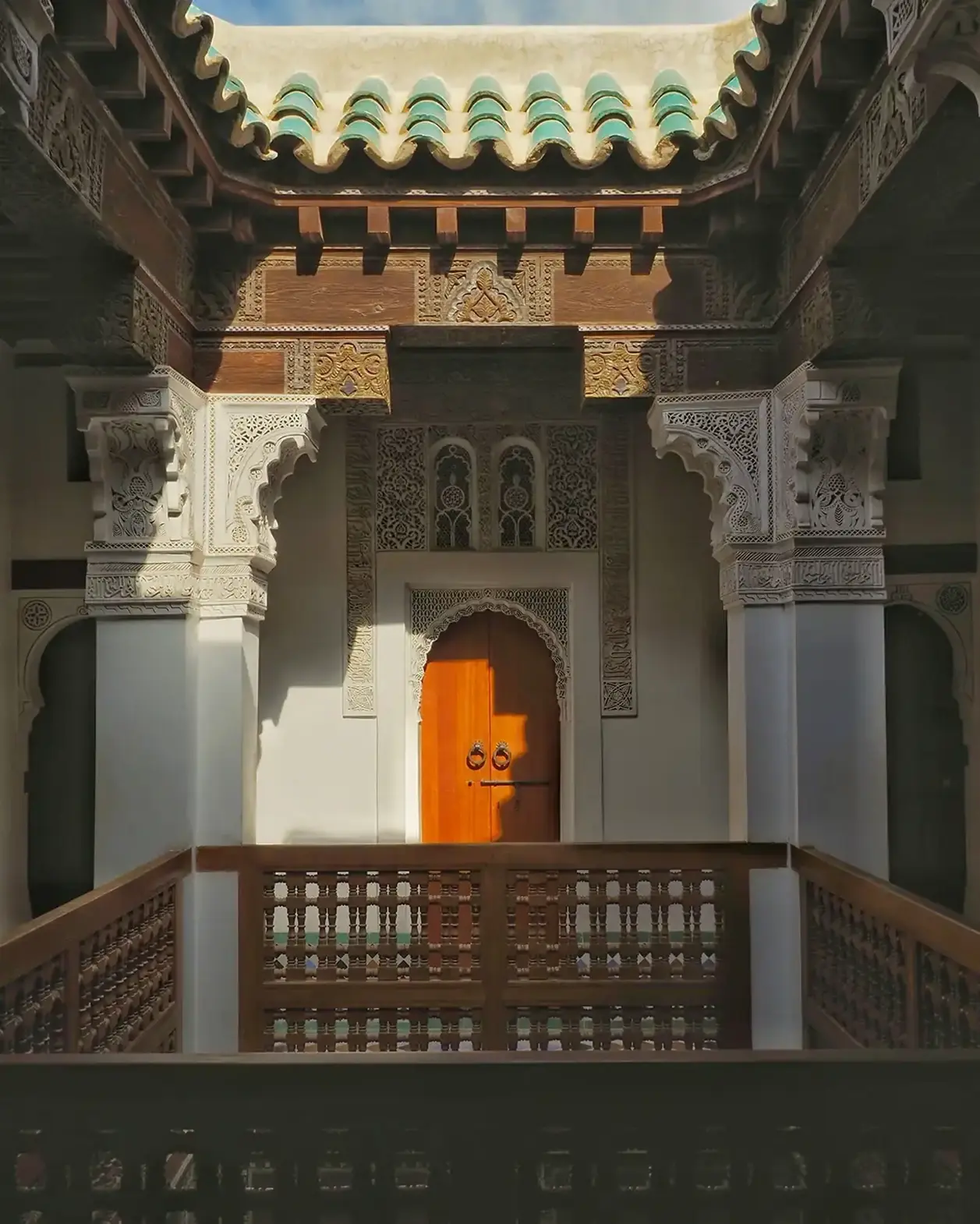
The Ben Youssef Madrasa is a jewel of Moroccan architecture and a centre of learning. Built in the 16th century during the reign of Sultan Abdallah Al-Ghaleb Assaadi, this former Koranic school welcomed up to 900 students from all over the country. Its sumptuous décor—finely carved stucco, sculpted wood, colourful zellige tiles and a central pool—perfectly illustrates the alliance between art, spirituality and scholarship that characterised the golden age of Marrakech.
The Secret Garden —
A hidden oasis in Marrakech.
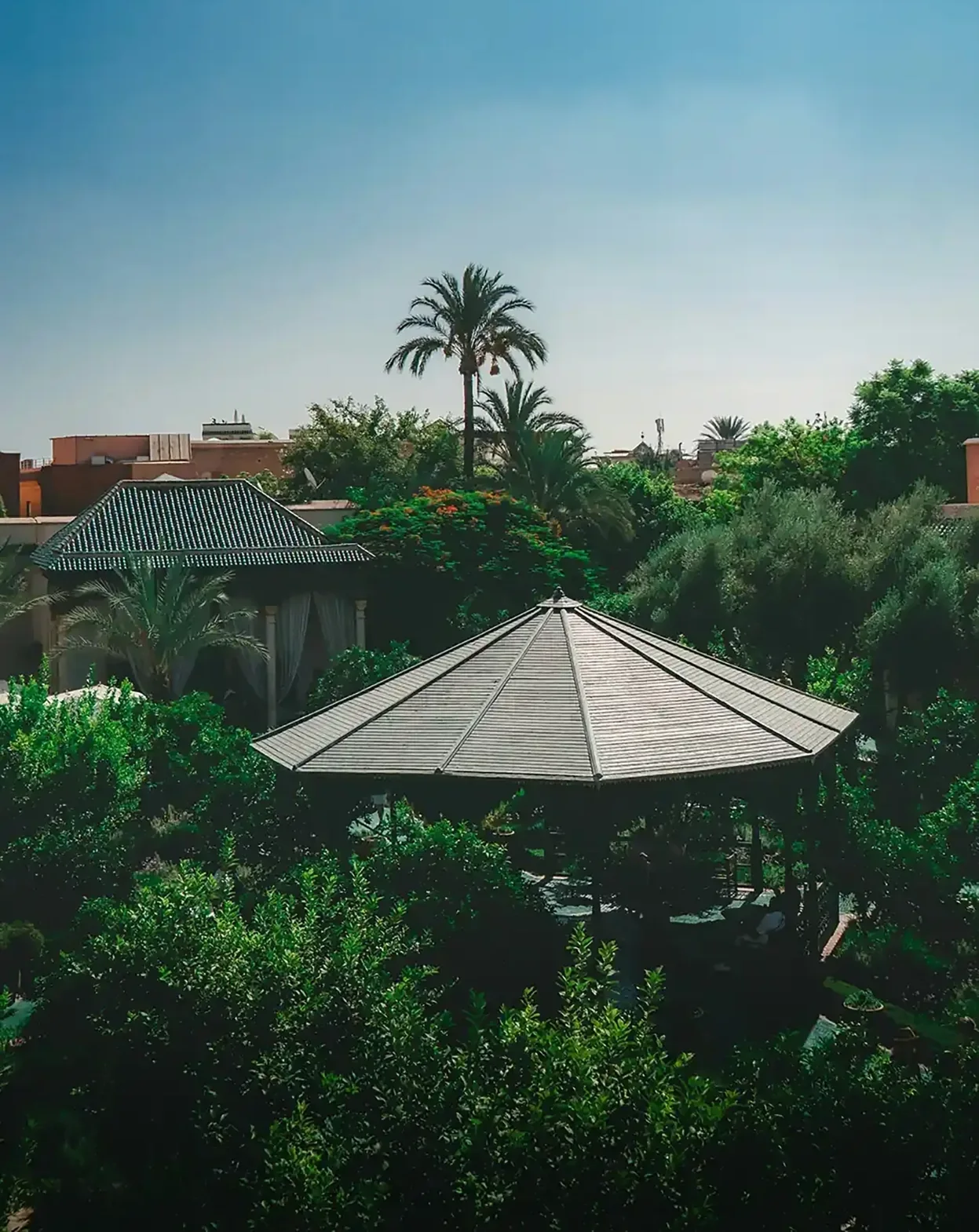
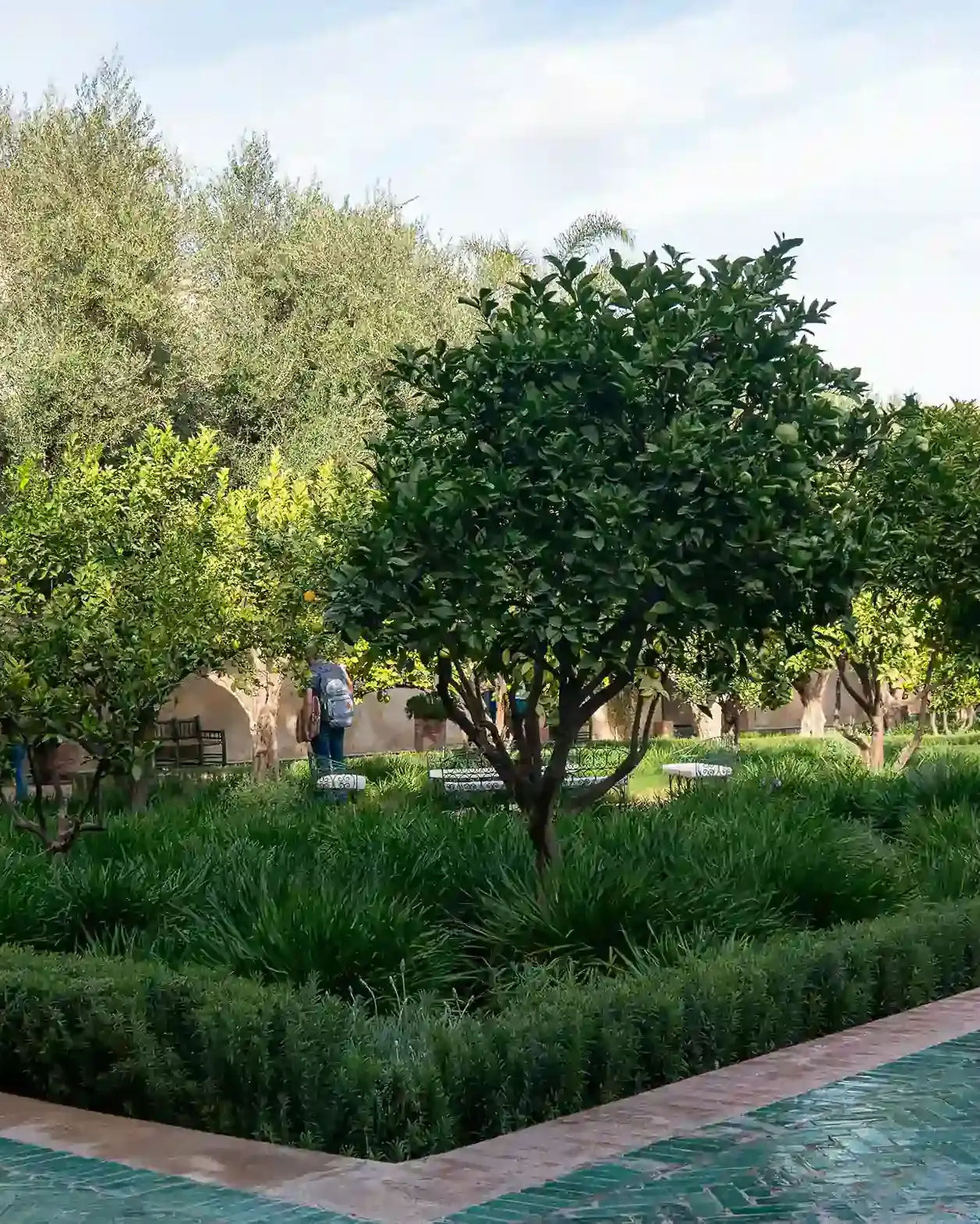
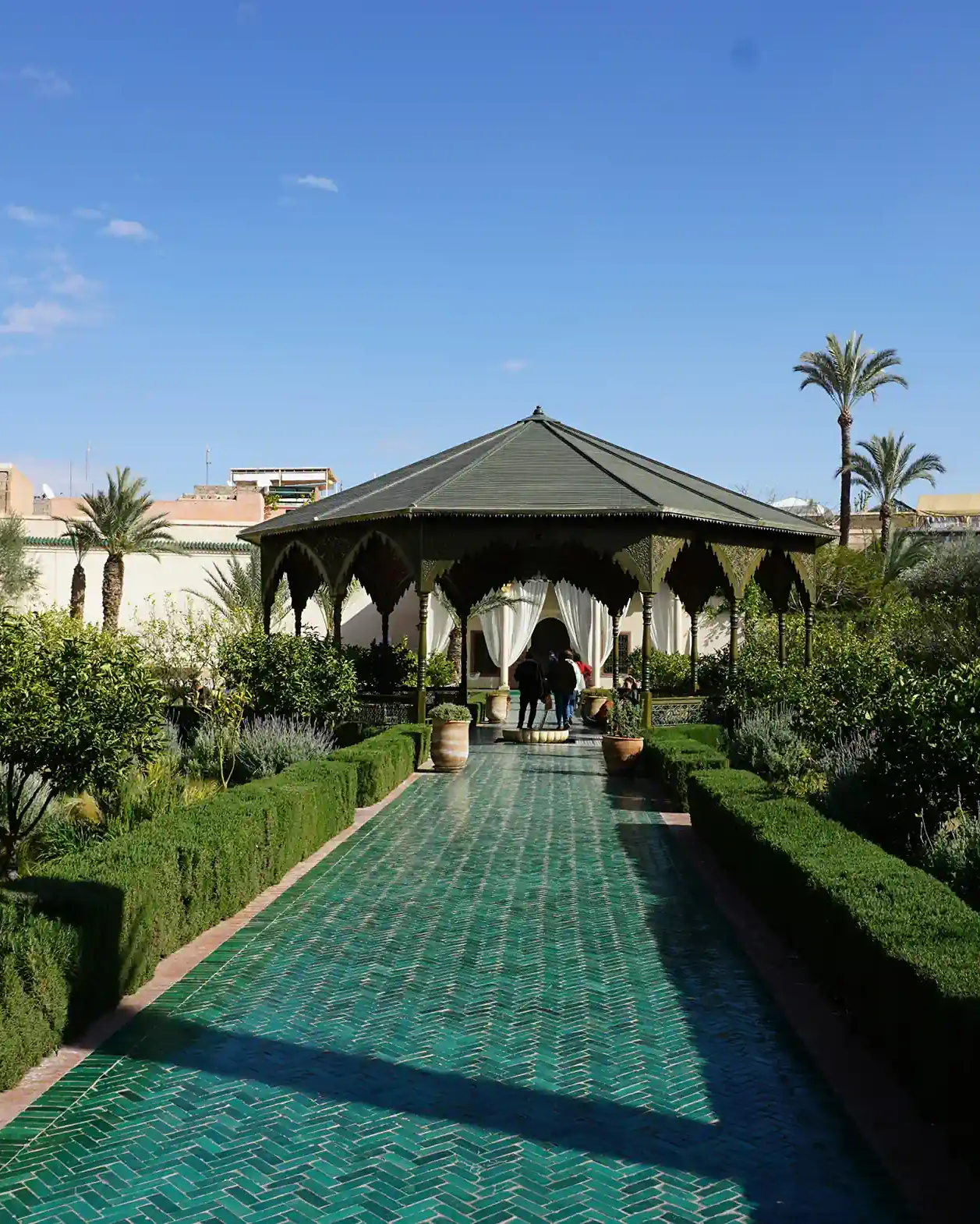
In the heart of the medina, the Secret Garden offers a haven of calm and beauty. Heir to Islamic gardens, it combines an exotic garden with plants from the five continents and an Islamic garden inspired by Persian paradises, punctuated with ponds and fountains. Restored after centuries of neglect, this place invites contemplation and serenity, far from the hustle and bustle of the city.
Jemaa El fna Square —
The vibrant heart of Marrakech.
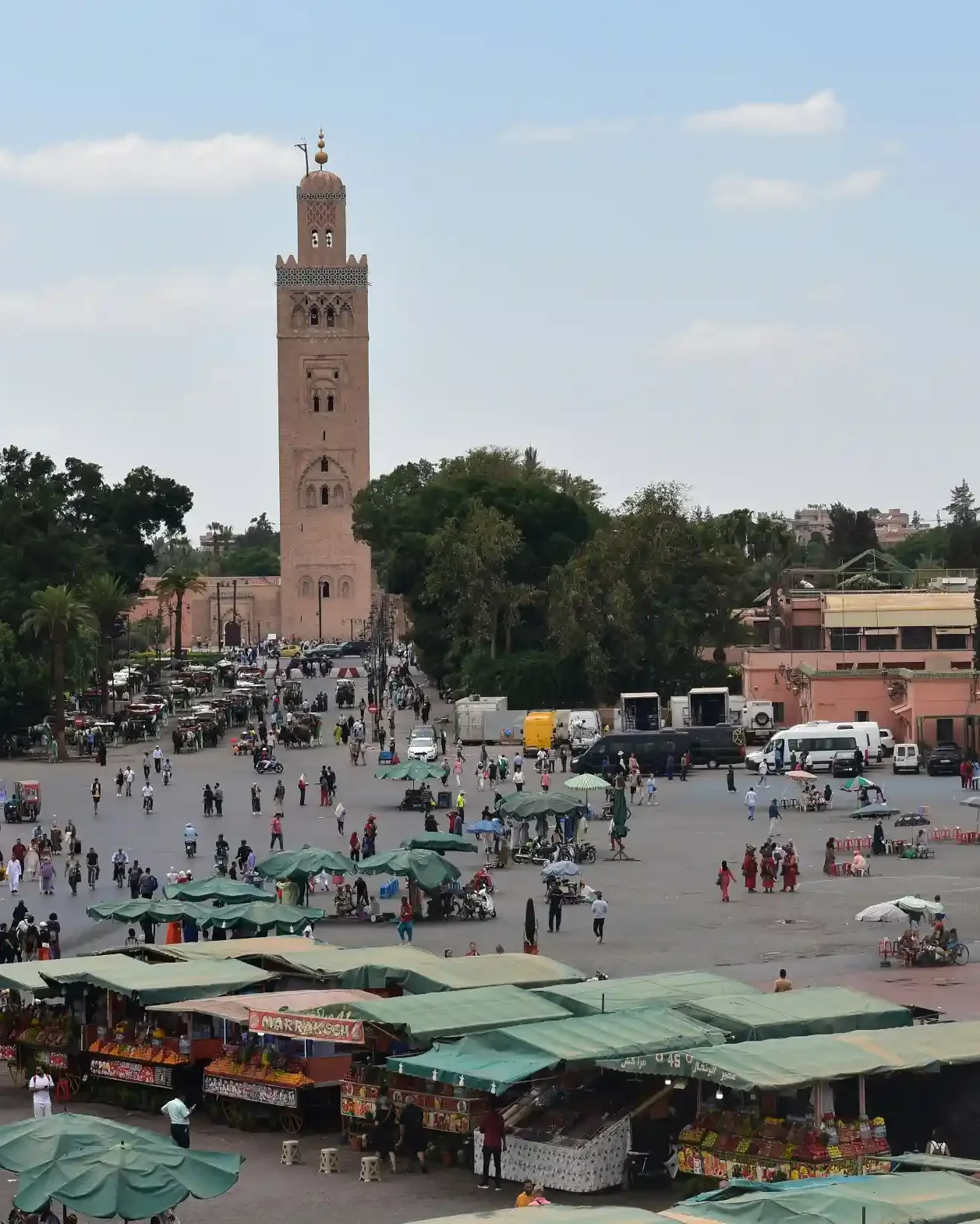
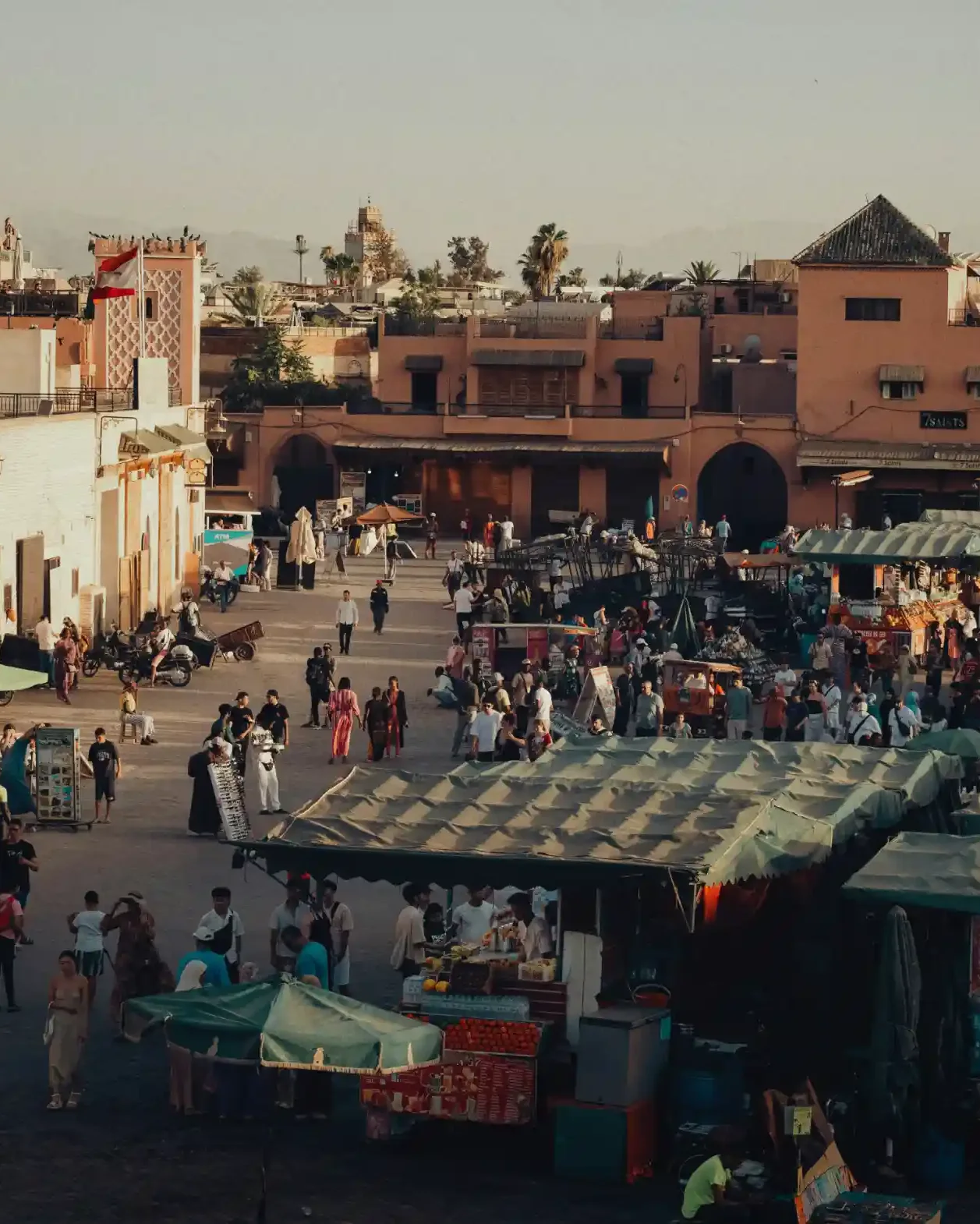
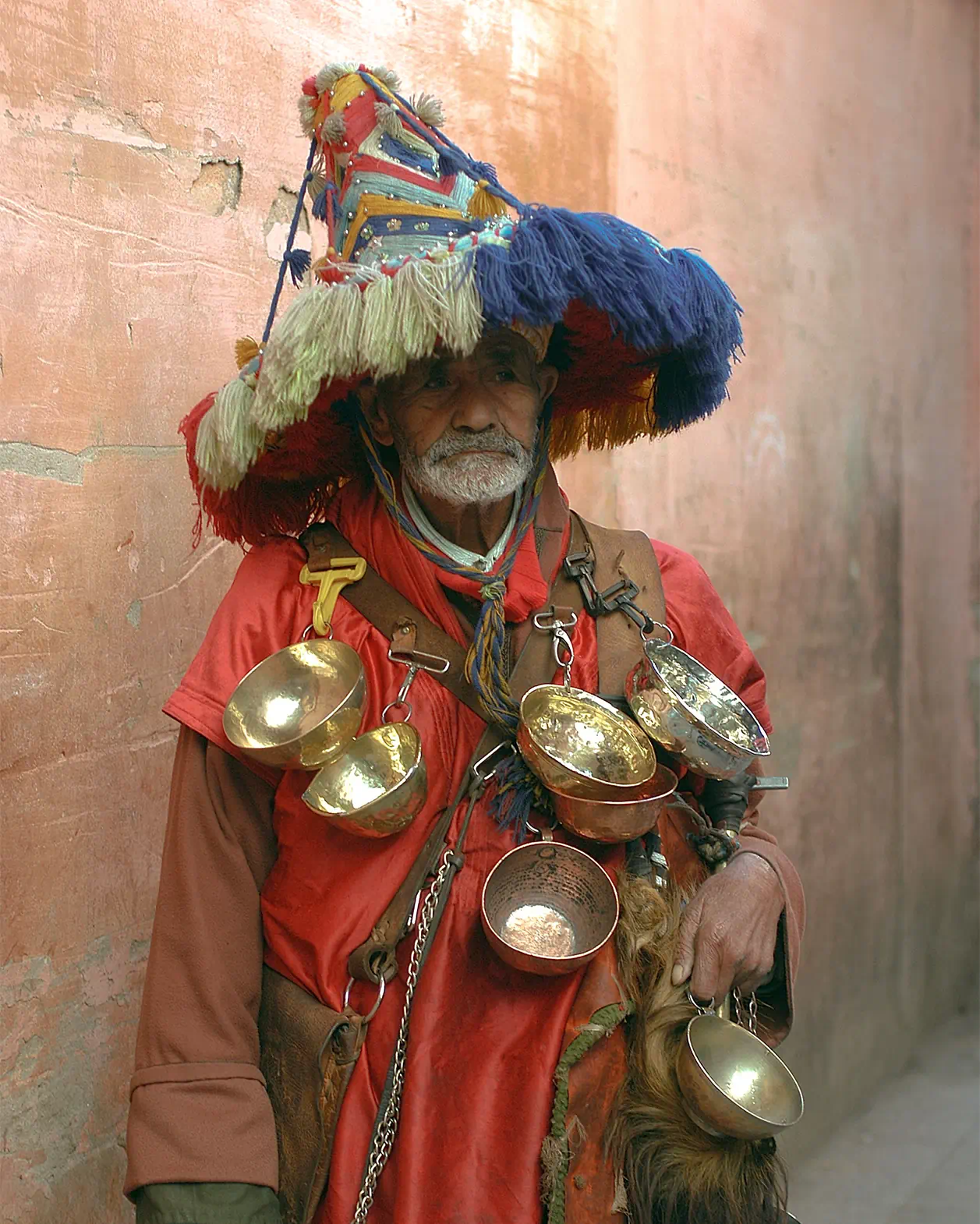
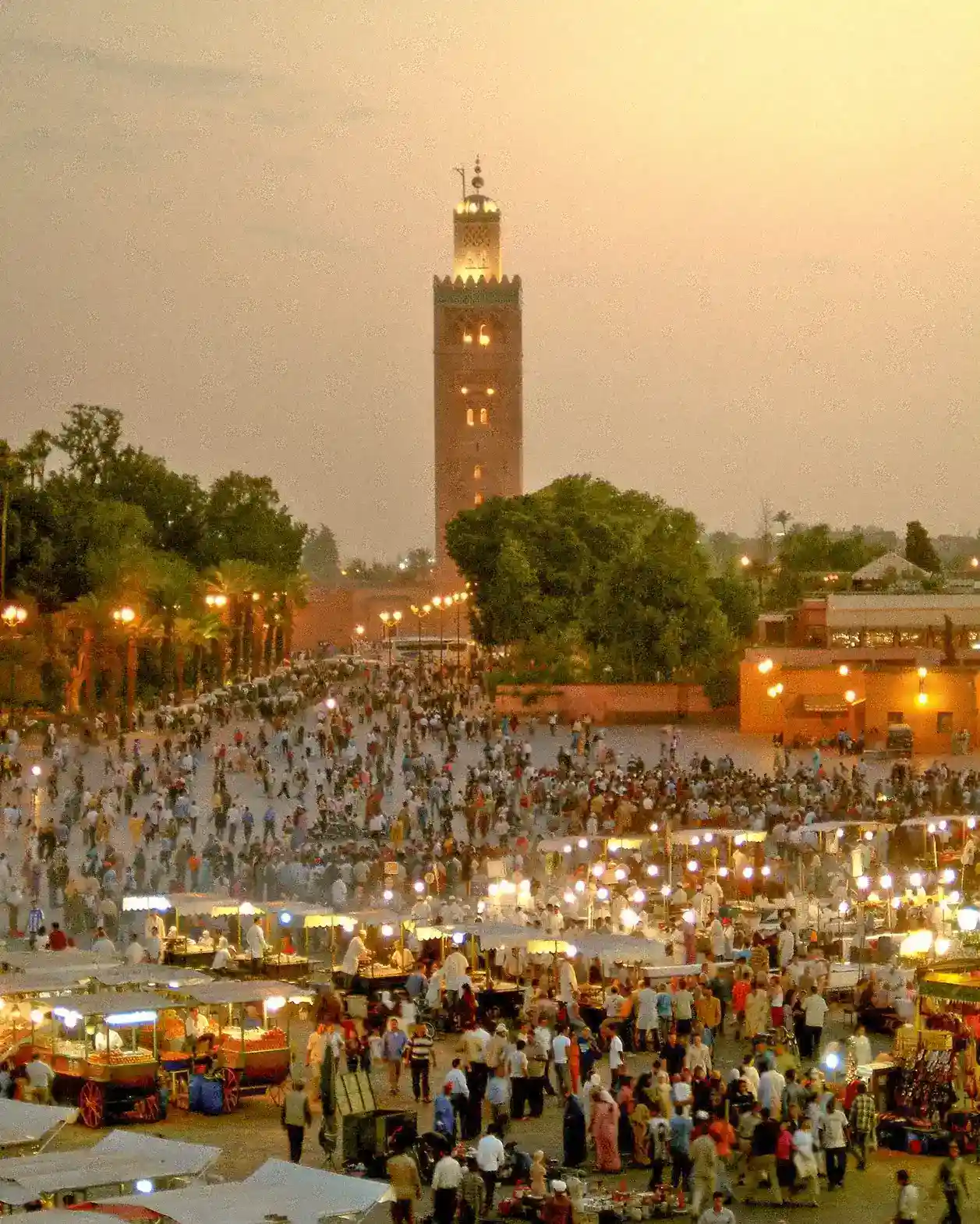
In the centre of Marrakech’s medina, Jemaa el-Fna Square is the true heart of the city. During the day, it comes alive with snake charmers, storytellers, merchants and colourful stalls. In the evening, Jemaa-el-Fna suquare transforms into a living theatre with musicians, acrobats and traditional food restaurants offering Moroccan specialities. Listed as a UNESCO cultural Heritage site, Jemaa el-Fna Square is a unique experience where history, culture and conviviality come together, symbolising the warm and vibrant soul of Marrakesh.
Koutoubia —
The highest point of the old town.
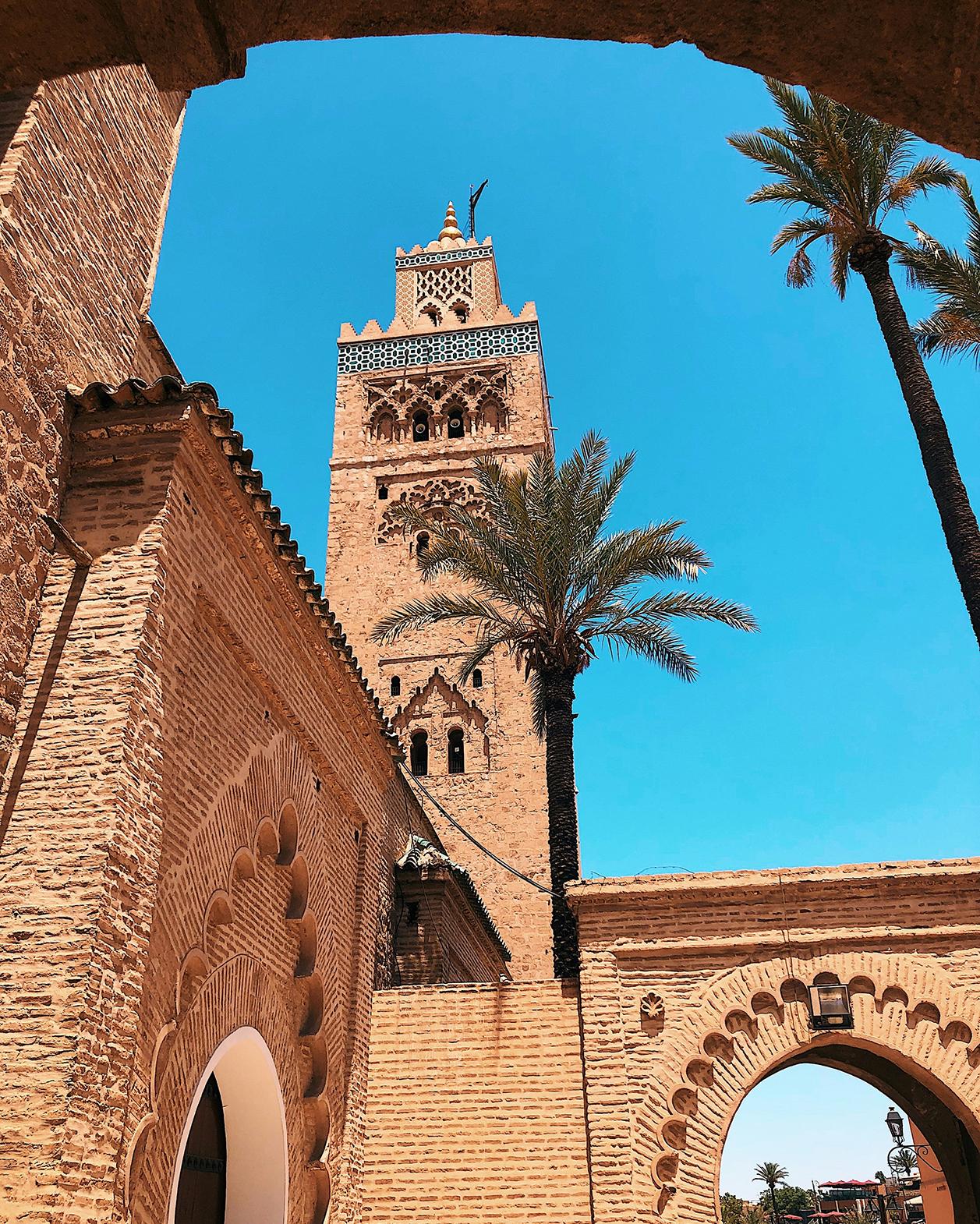
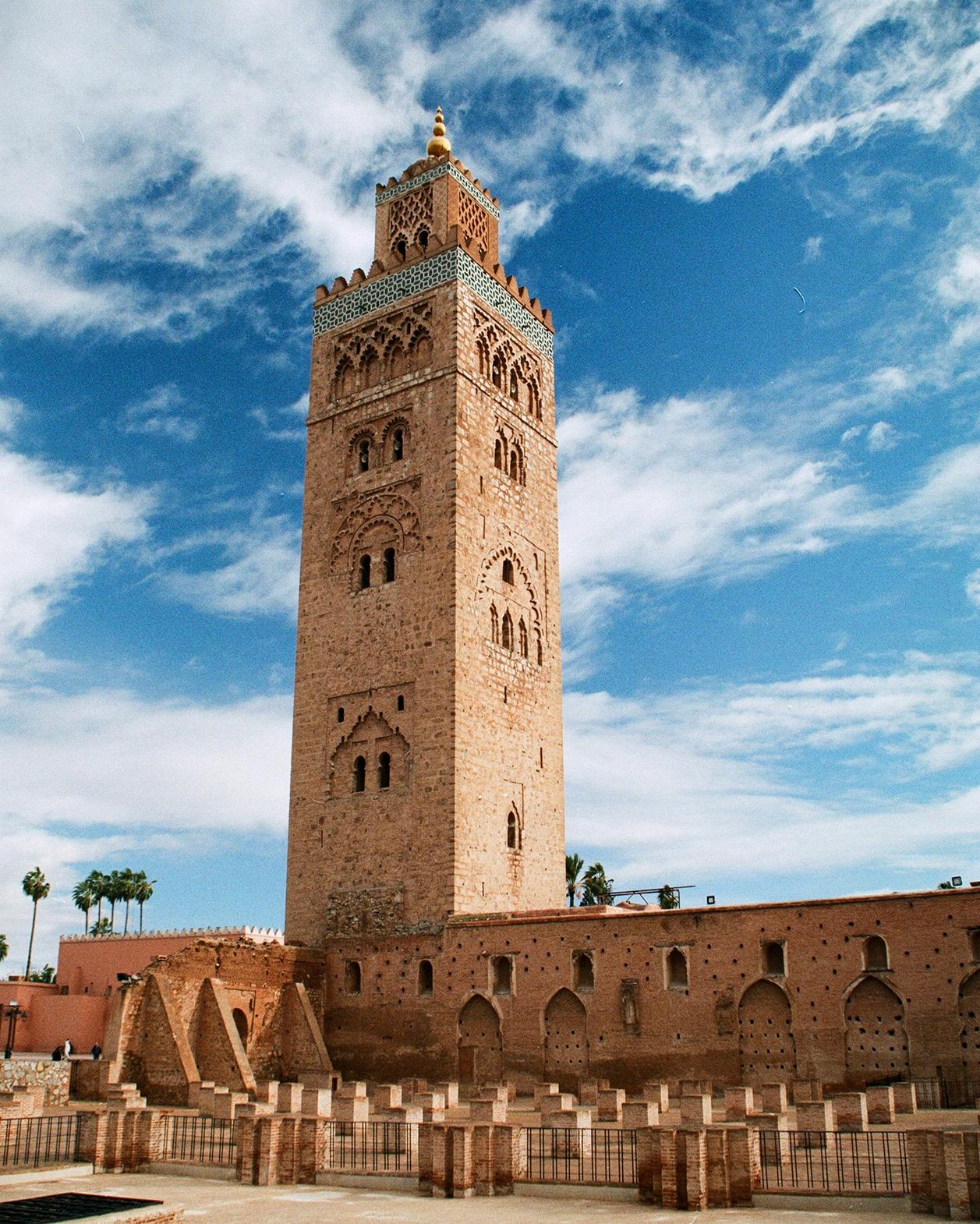
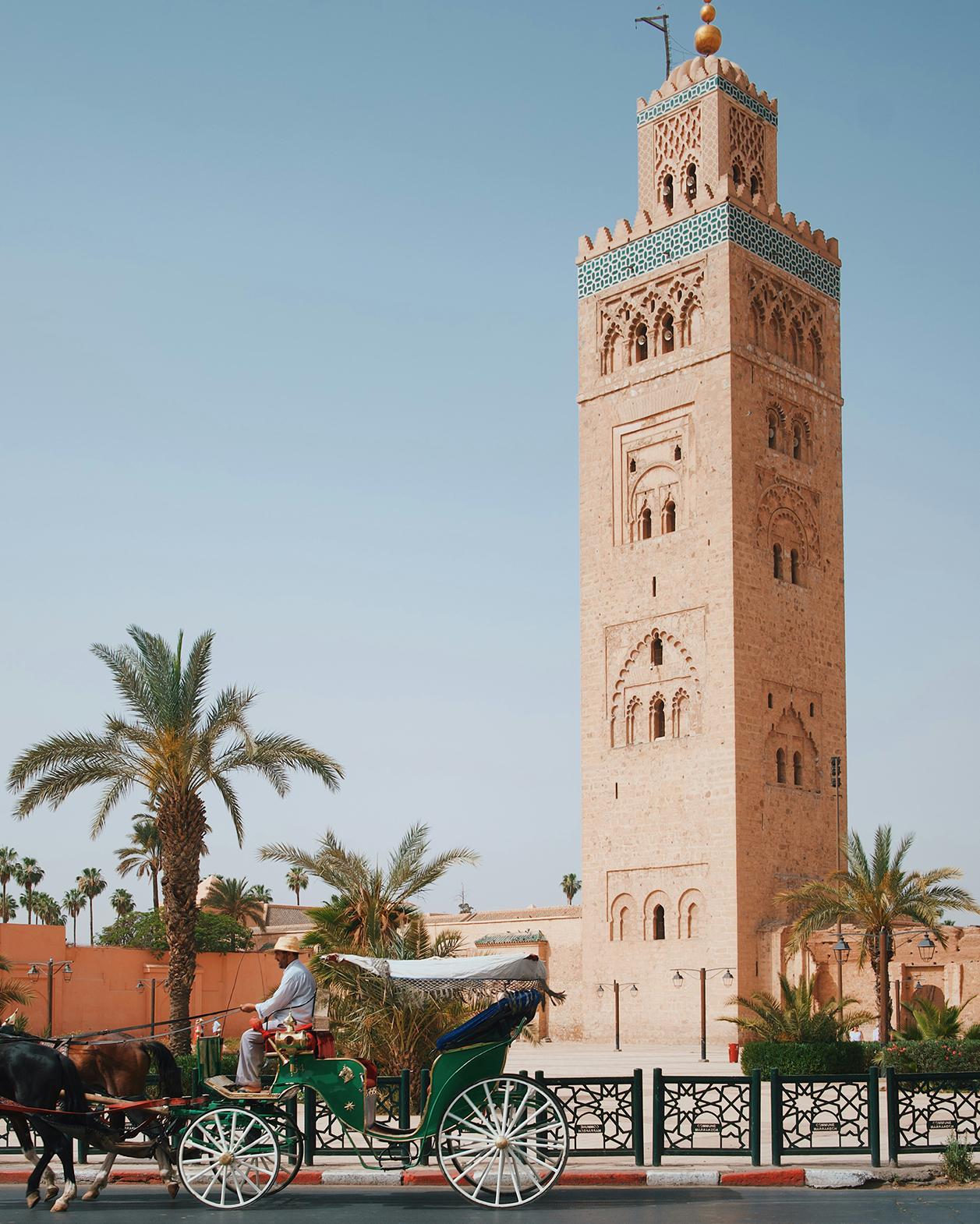
An elegant landmark anchoring Marrakech’s skyline, a few steps away from the old town. Its 12th-century minaret, warm in sun-washed shades of pink and gold, offers a glimpse into the refined artistry of the Almohad era. You’ll understand why the Koutoubia remains one of the city’s most effortless icons: timeless, tranquil, and unmistakably Marrakech.
Bahia Palace —
The elegance and serenity of an oriental masterpiece.
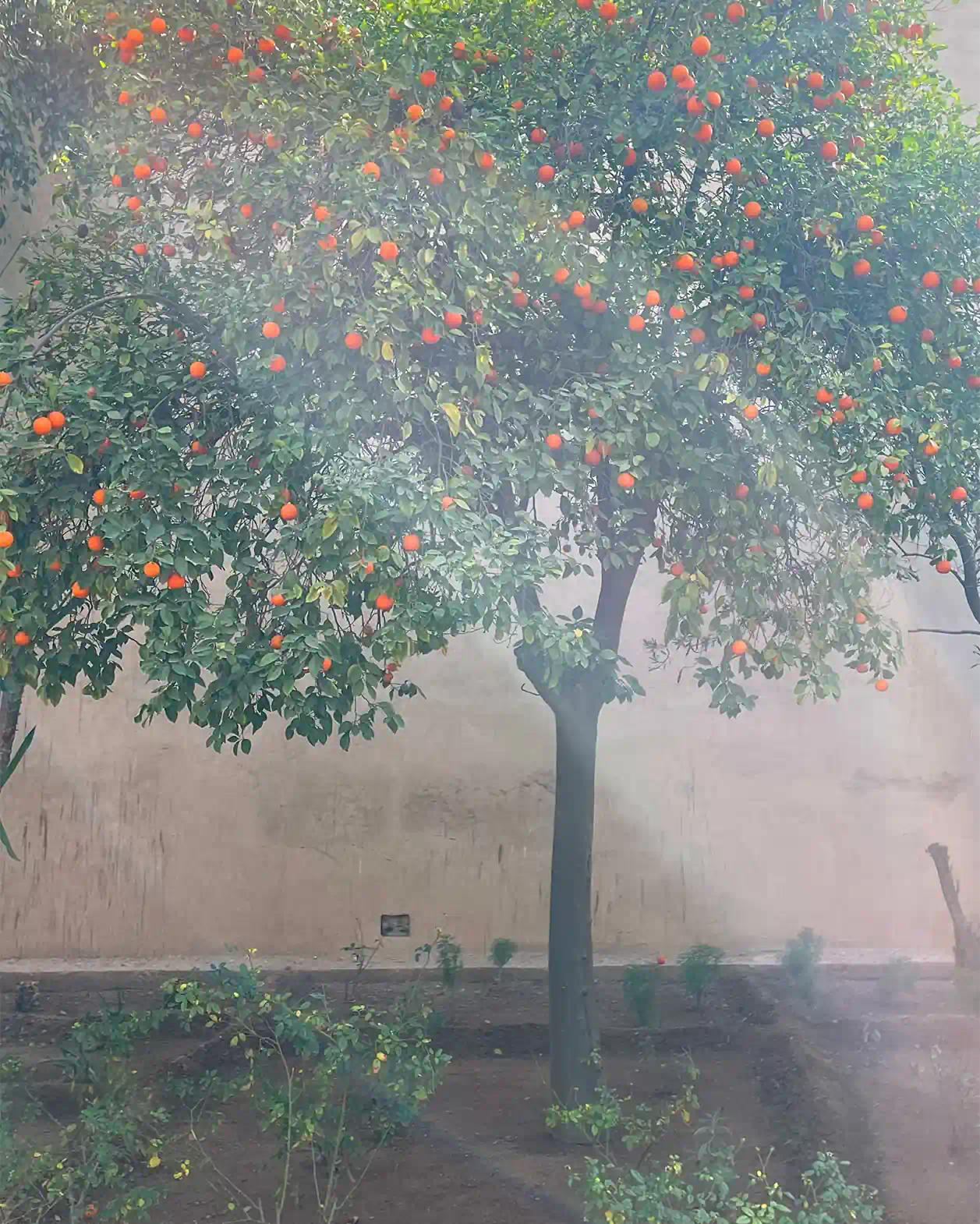
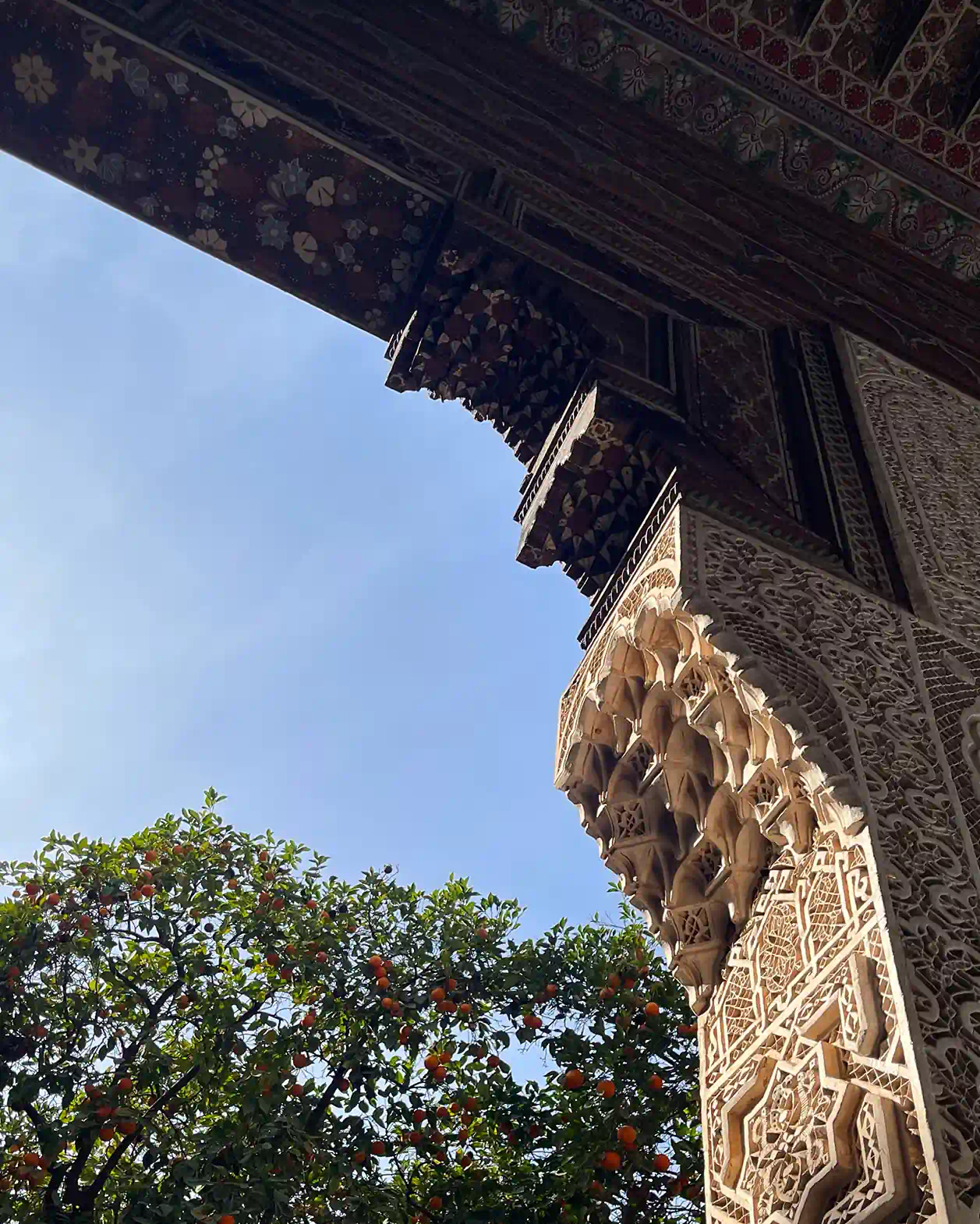
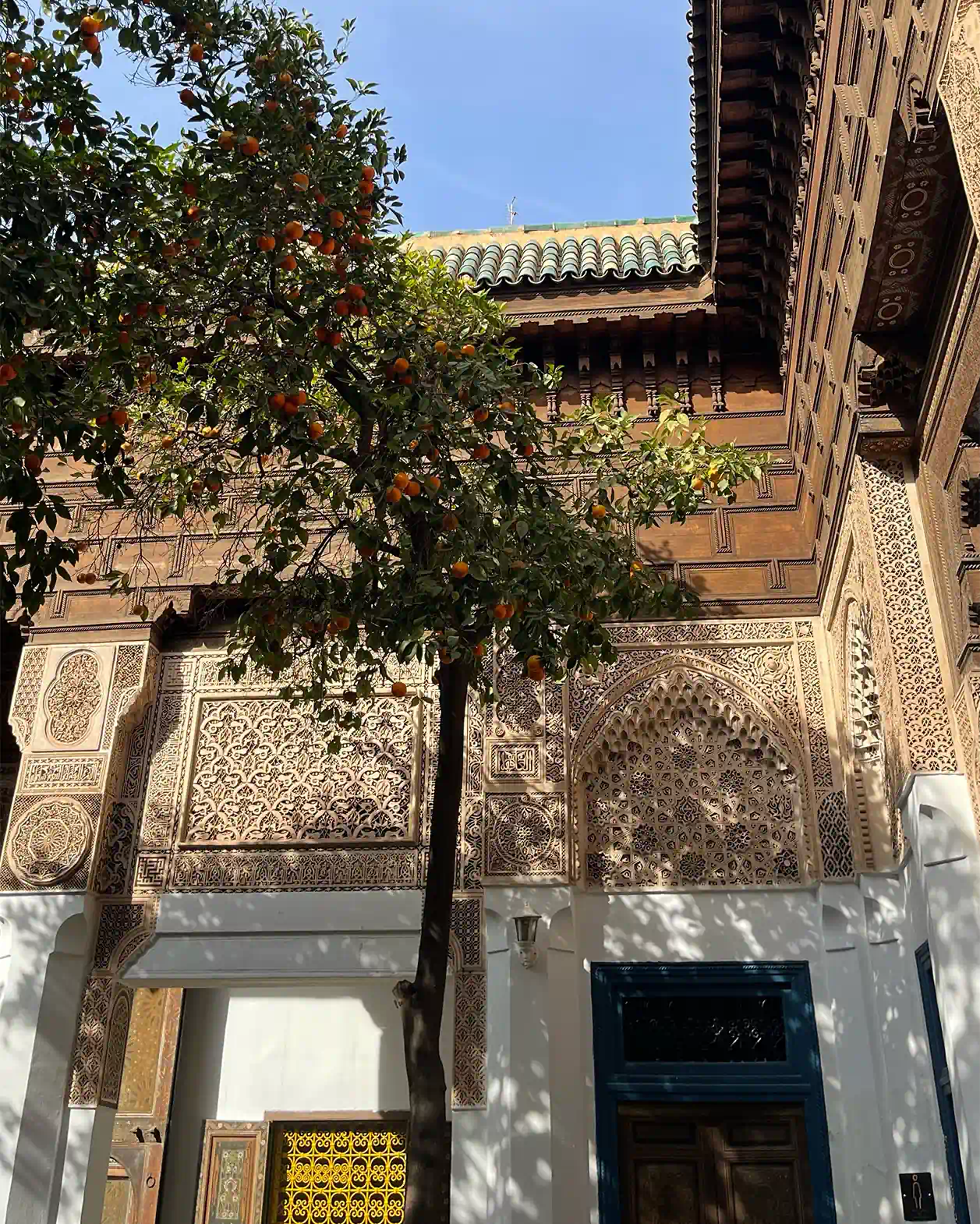
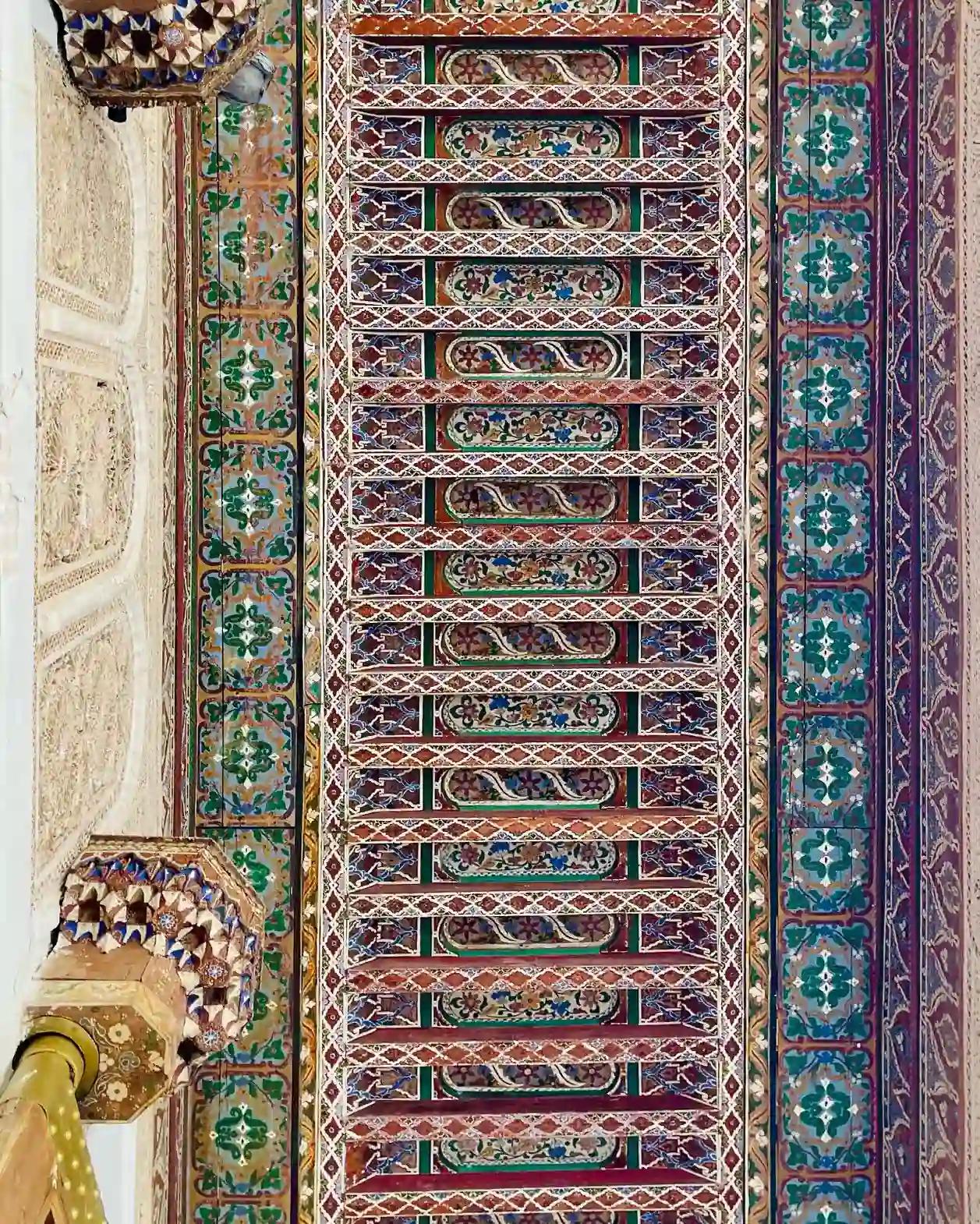
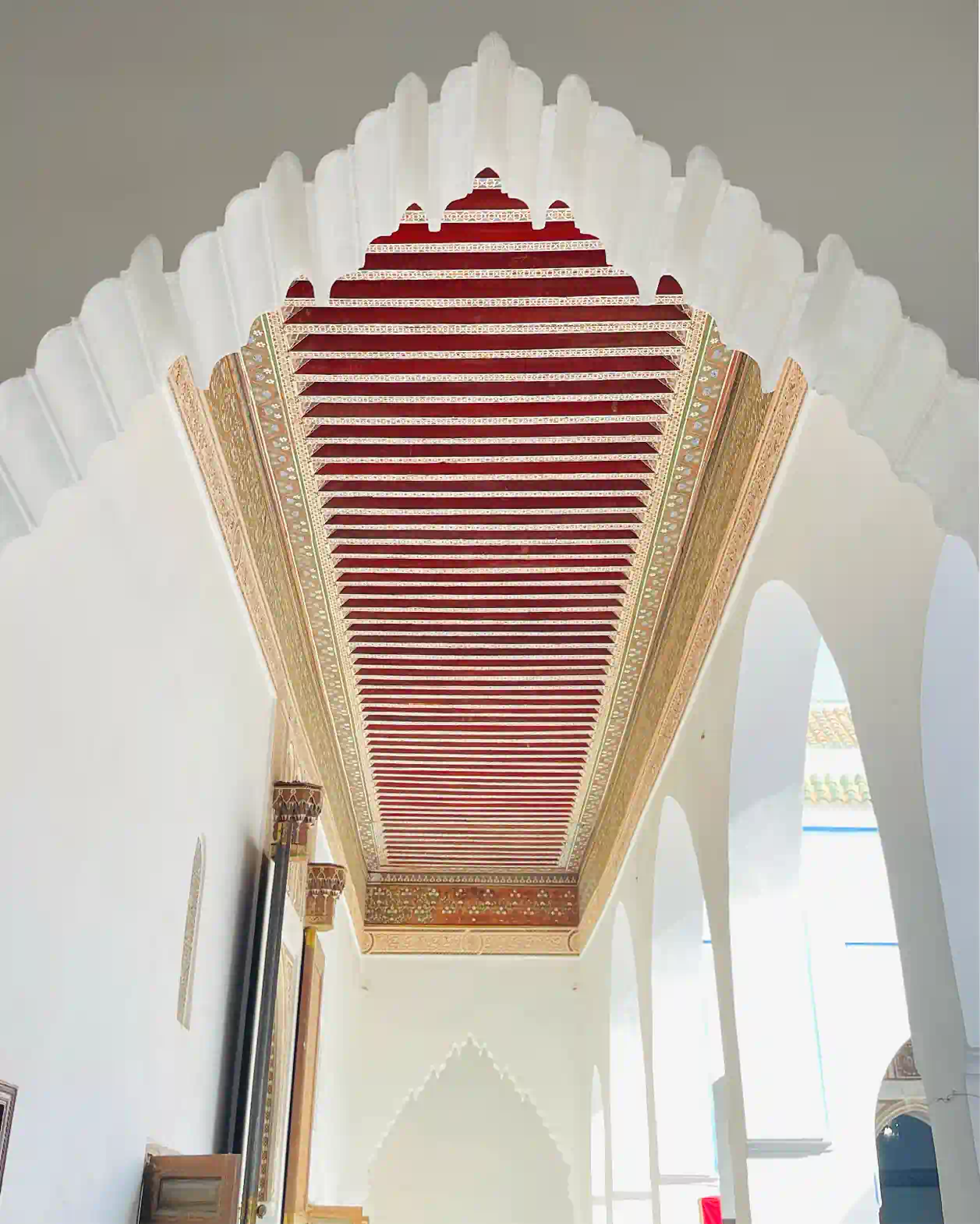
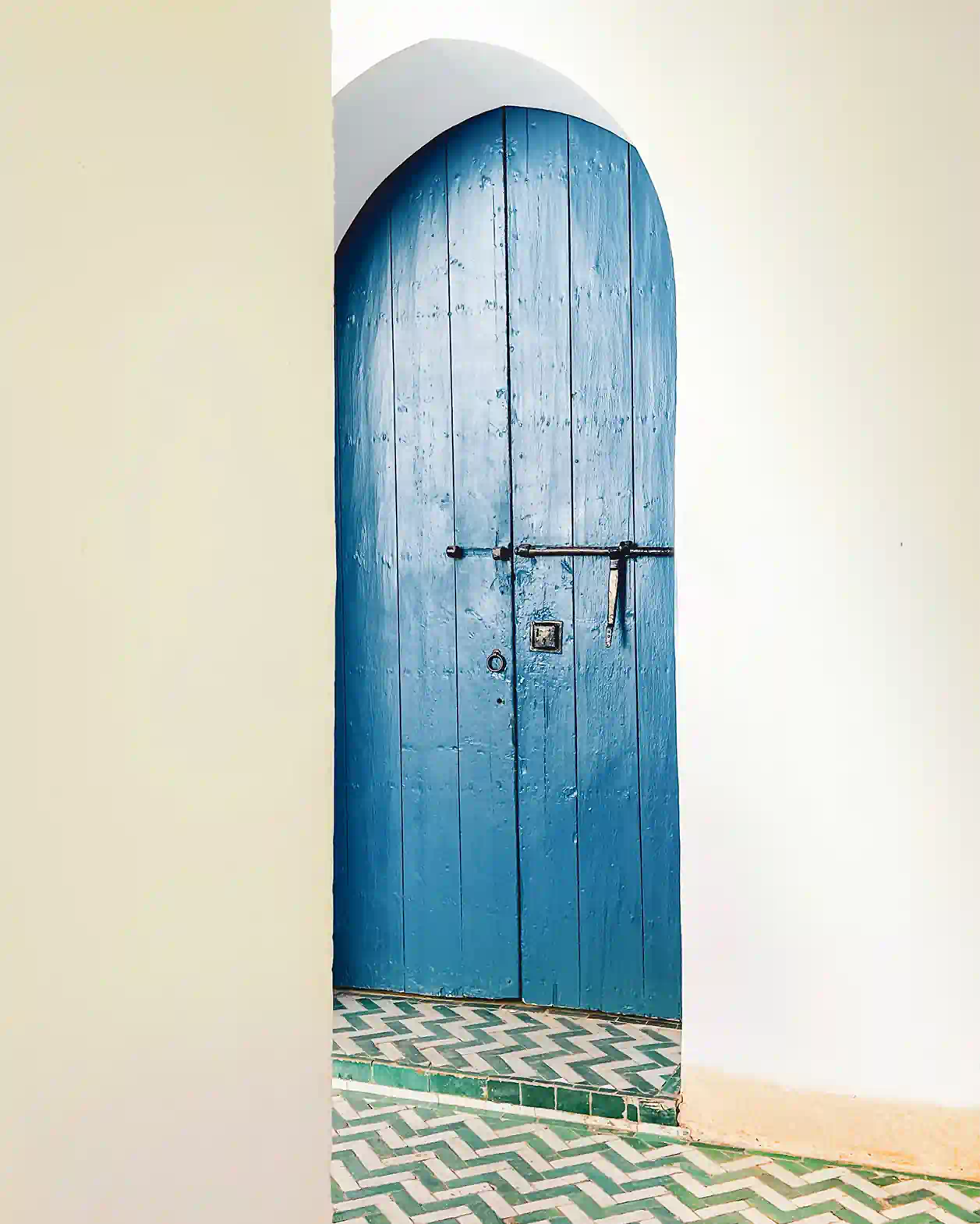
Nestled in the heart of the medina, this 19th-century residence is a jewel of Moroccan architecture. With its delicate mosaics, painted ceilings, lush gardens and shaded patios, the Bahia Palace embodies the refinement of the viziers and sultans of Marrakesh. A stroll through its bright reception rooms is a true immersion in the peaceful and sumptuous imperial lifestyle.
El Badi Palace —
The majestic ruins of Saadian splendour.
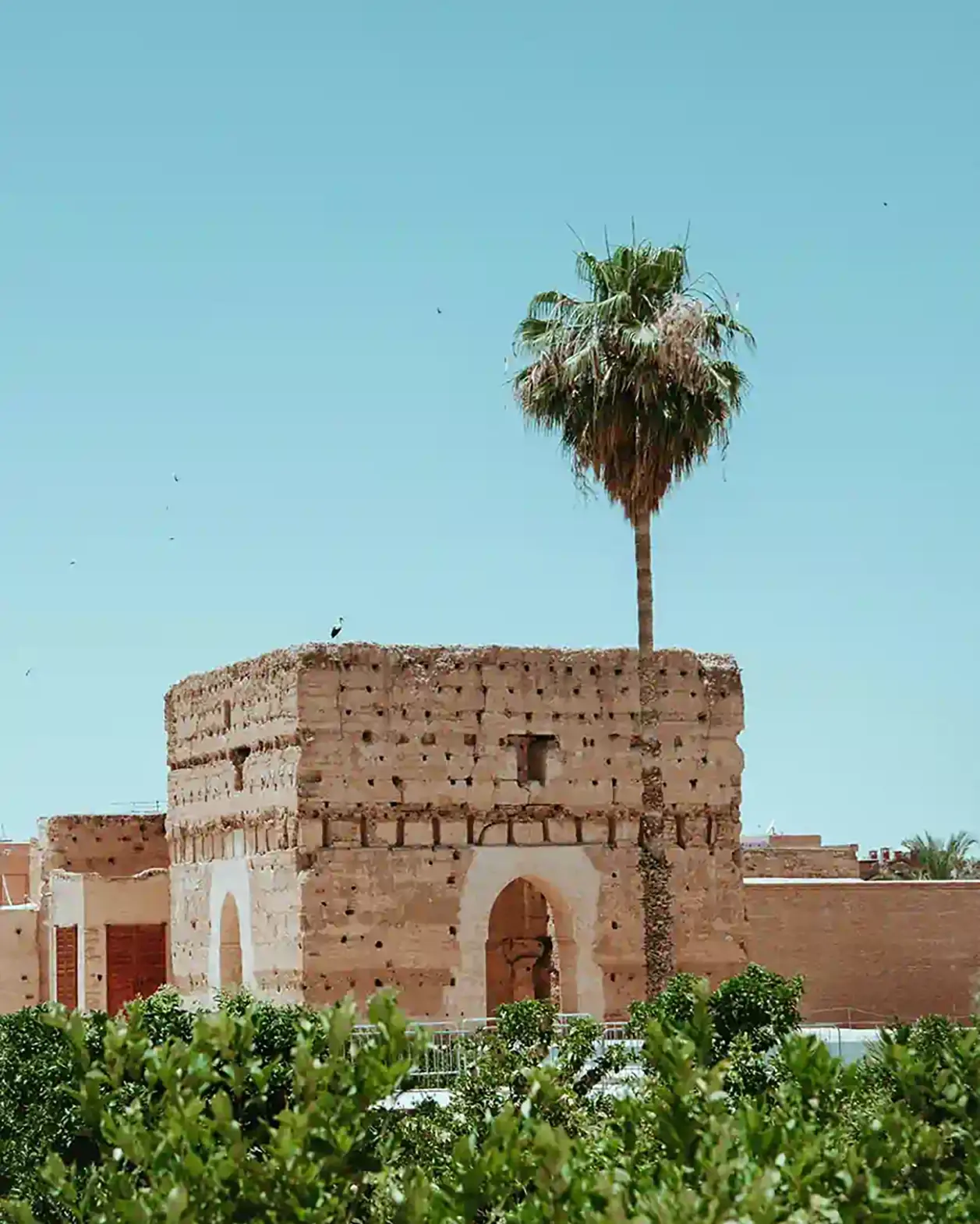
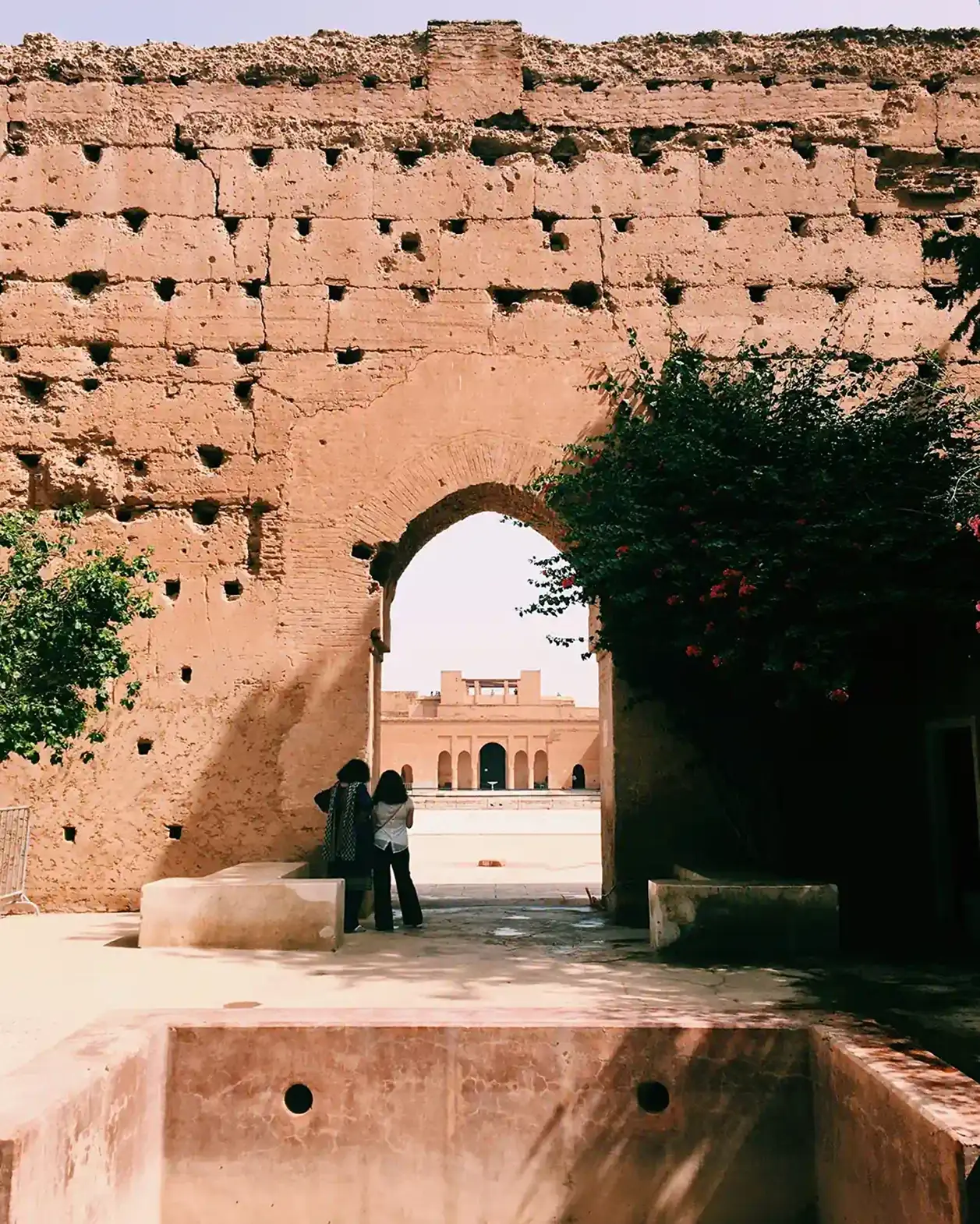
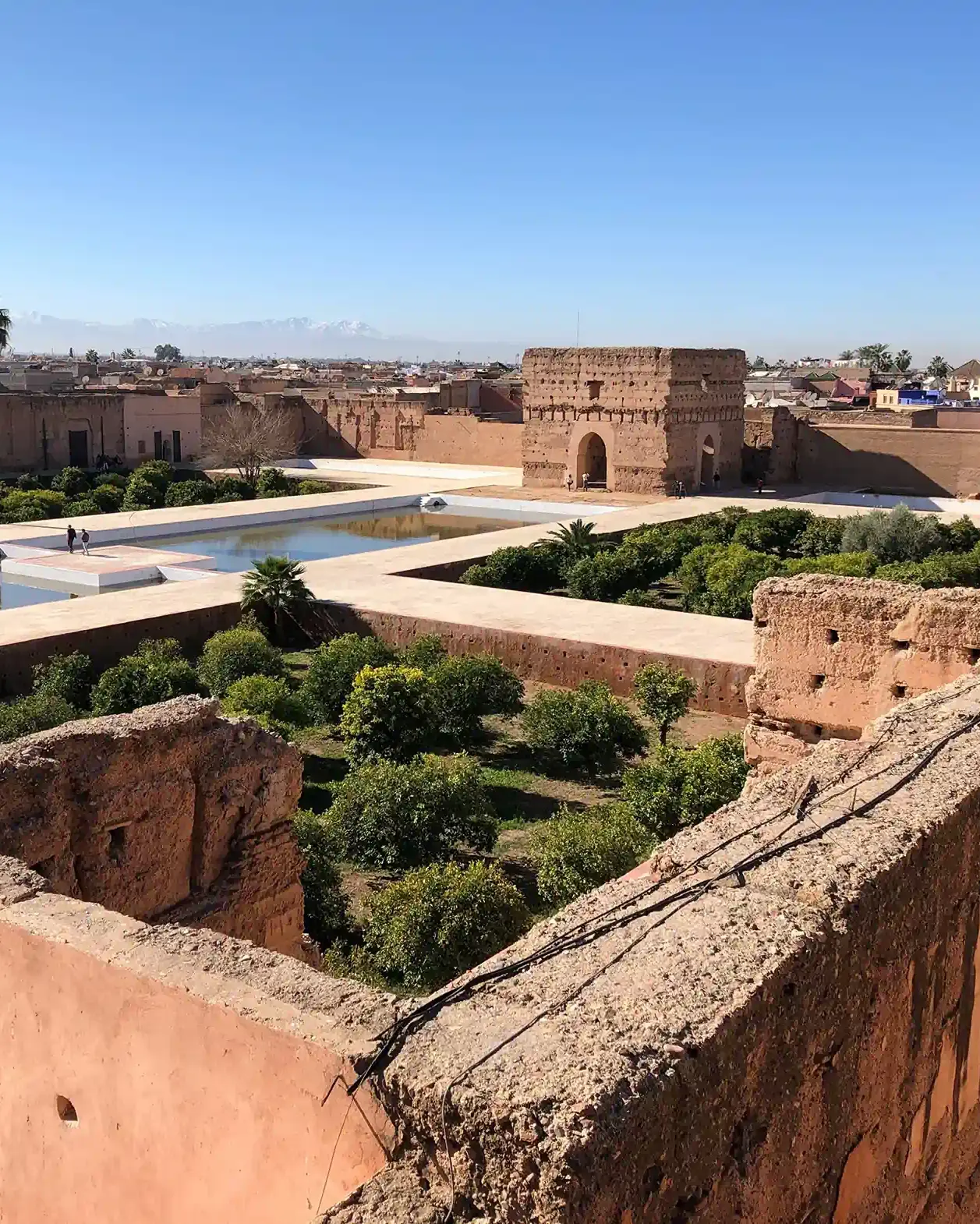
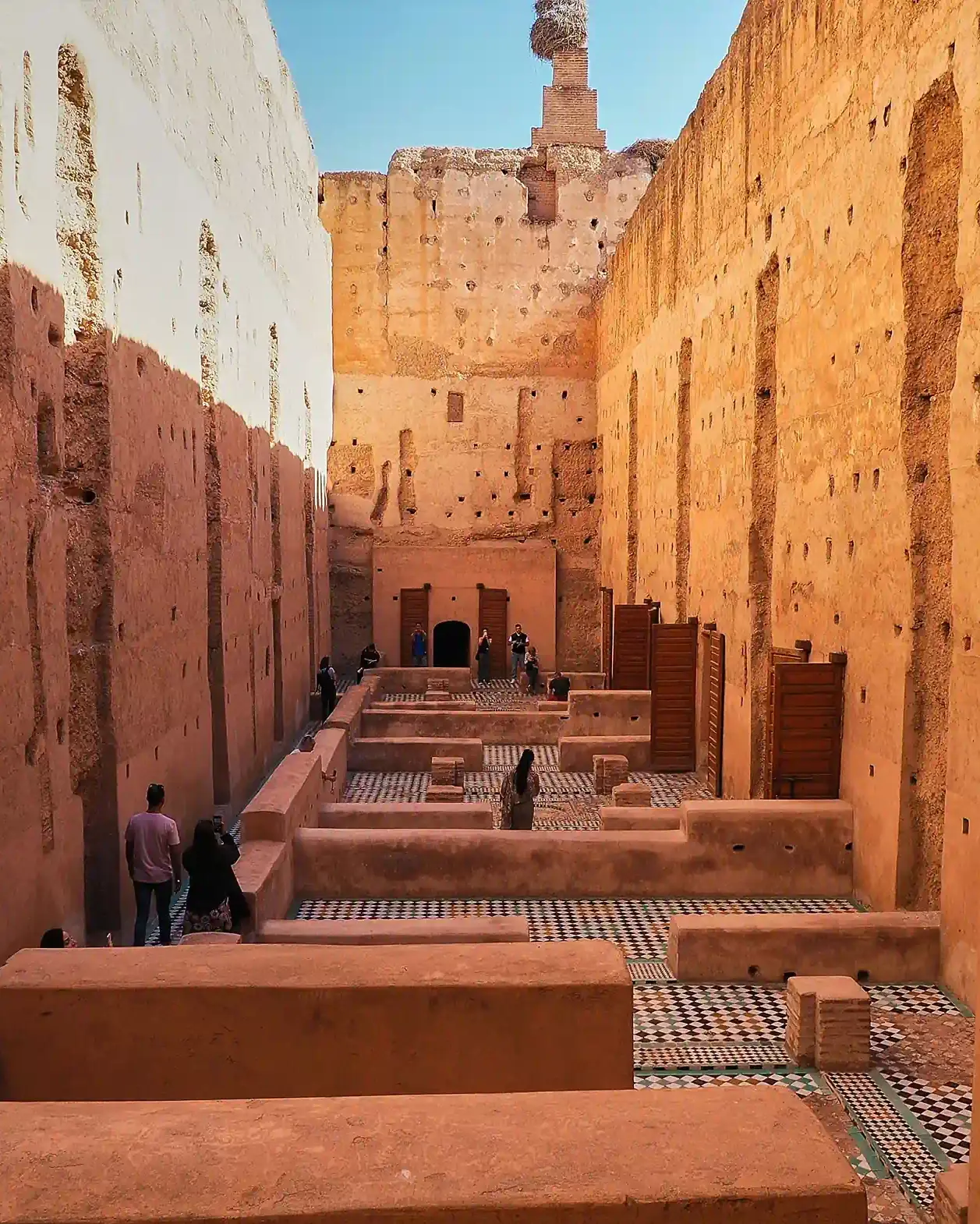
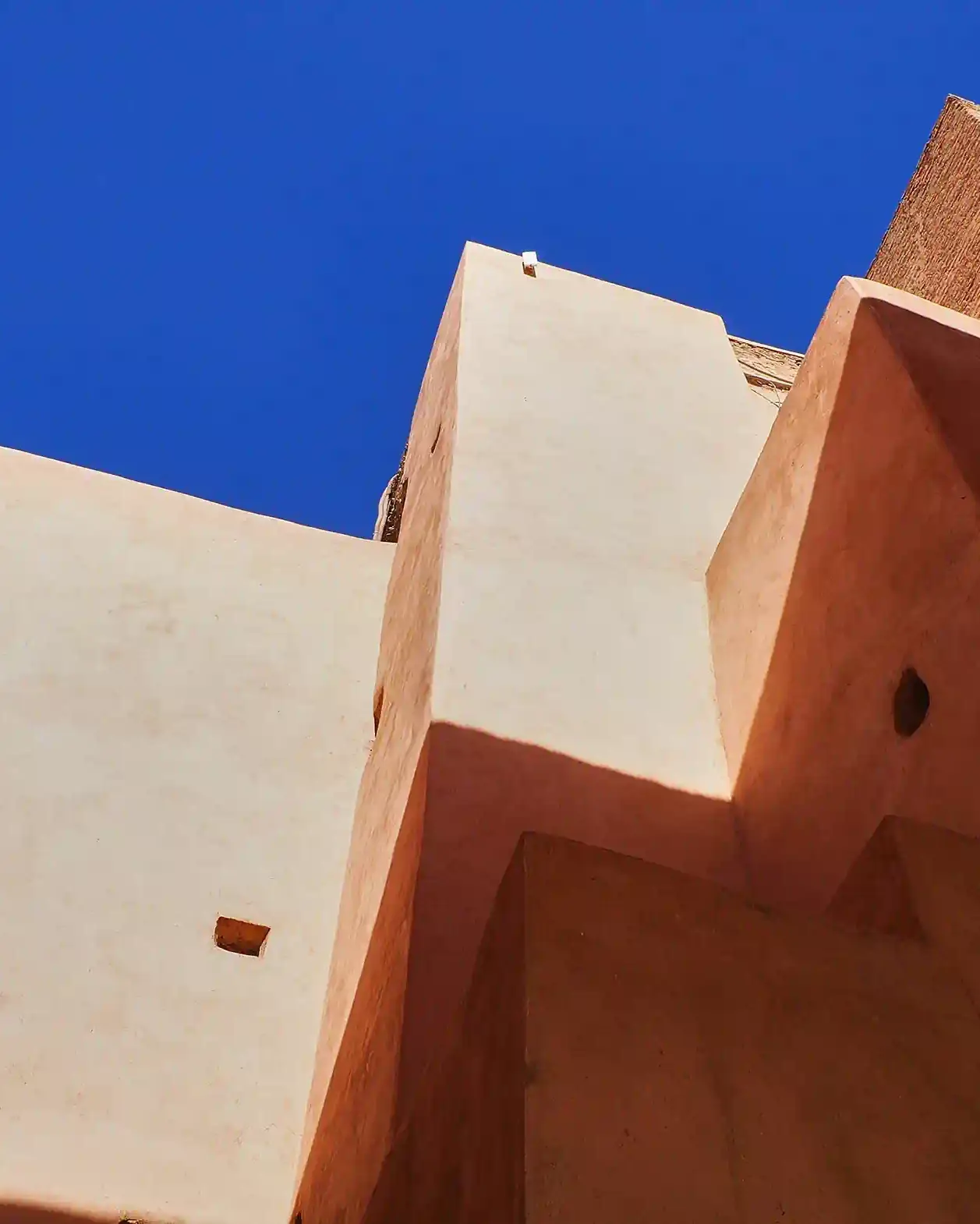
Built in the 16th century by Sultan Ahmed al-Mansour, the El Badi Palace impresses with its monumental grandeur. Once adorned with gold and marble, today all that remains are vast esplanades bathed in light and imposing walls where storks nest. This poetic place offers a striking journey into the past glory of Marrakech, between history and raw emotion.
Saadian Tombs —
A hidden gem of royal history.
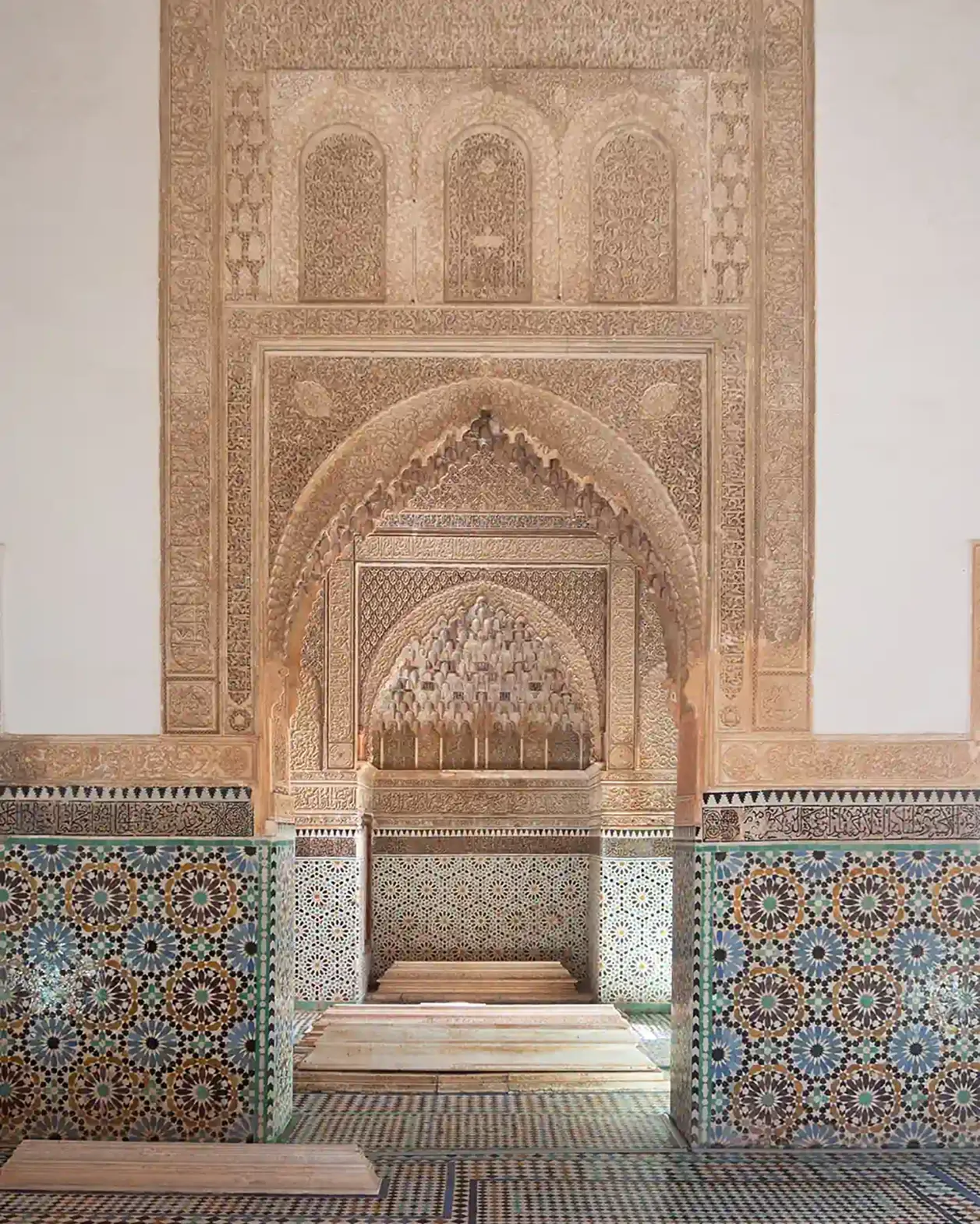
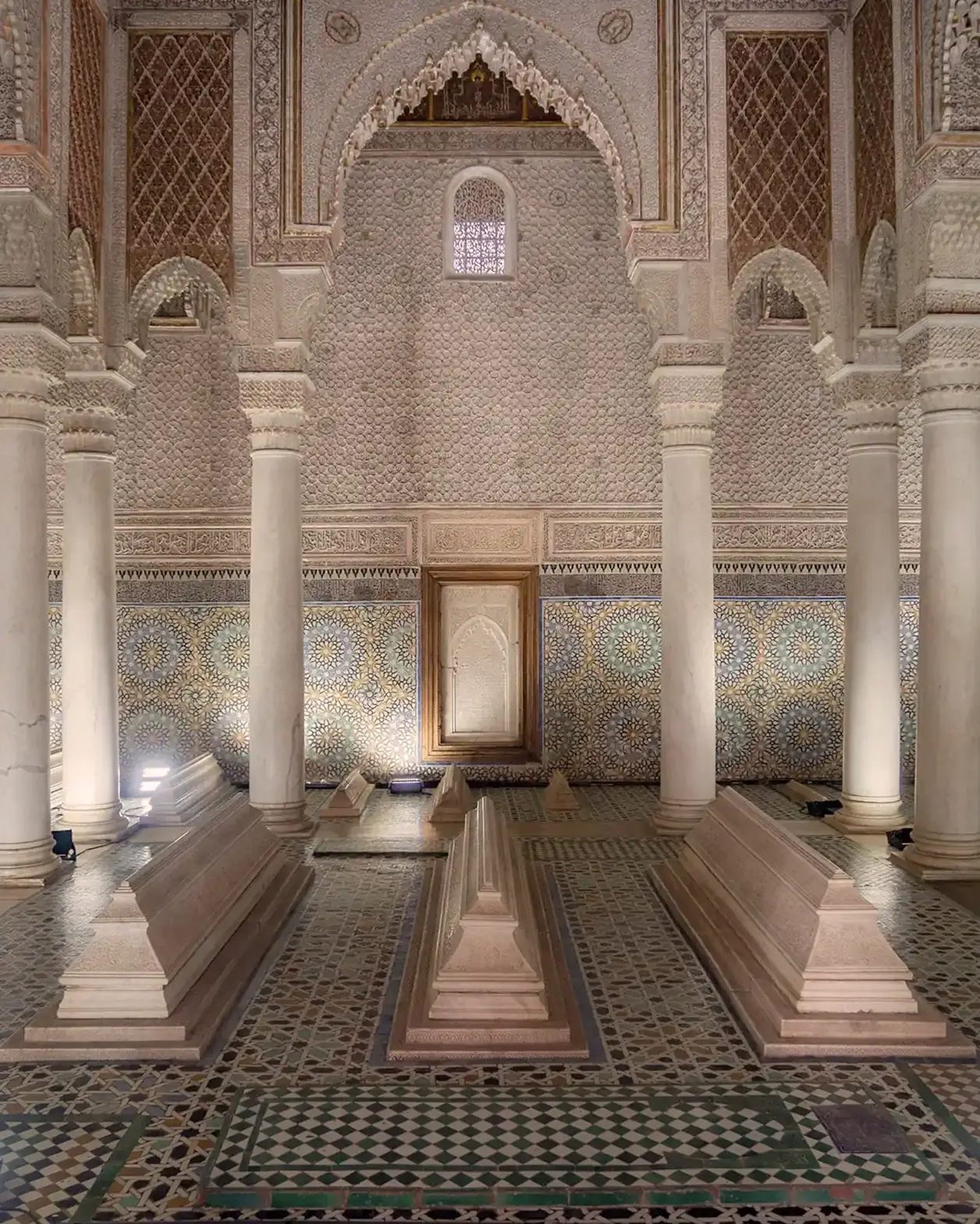
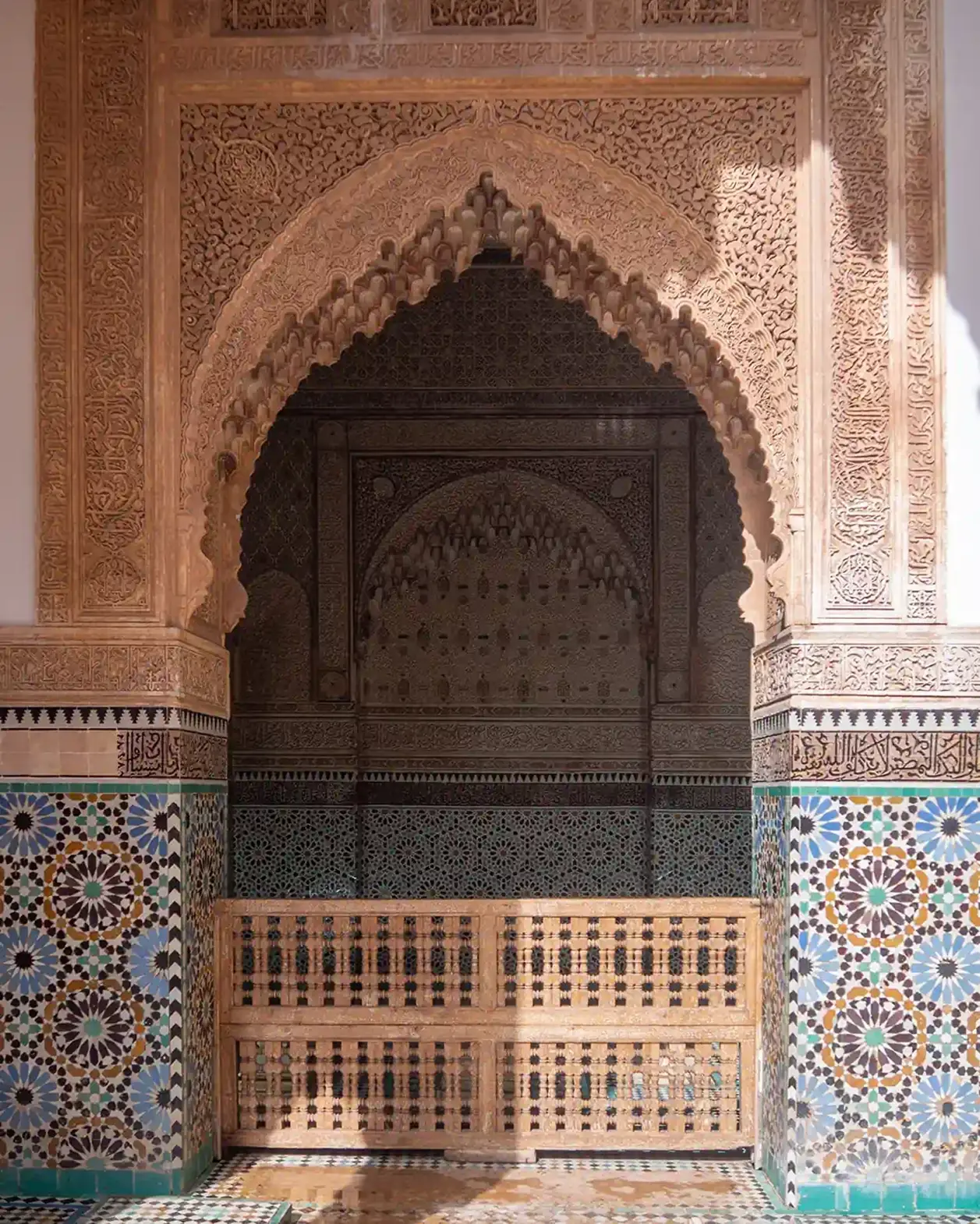
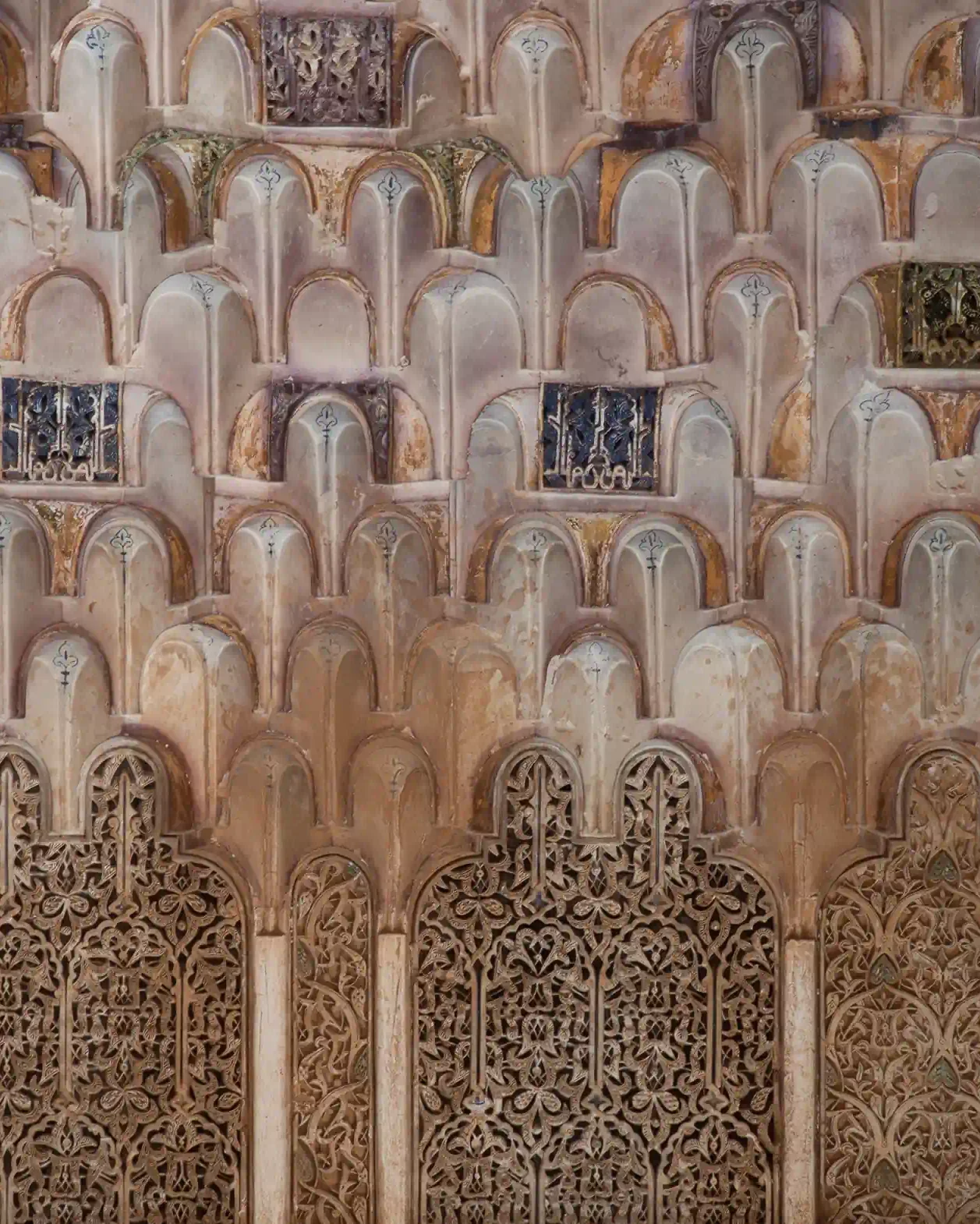
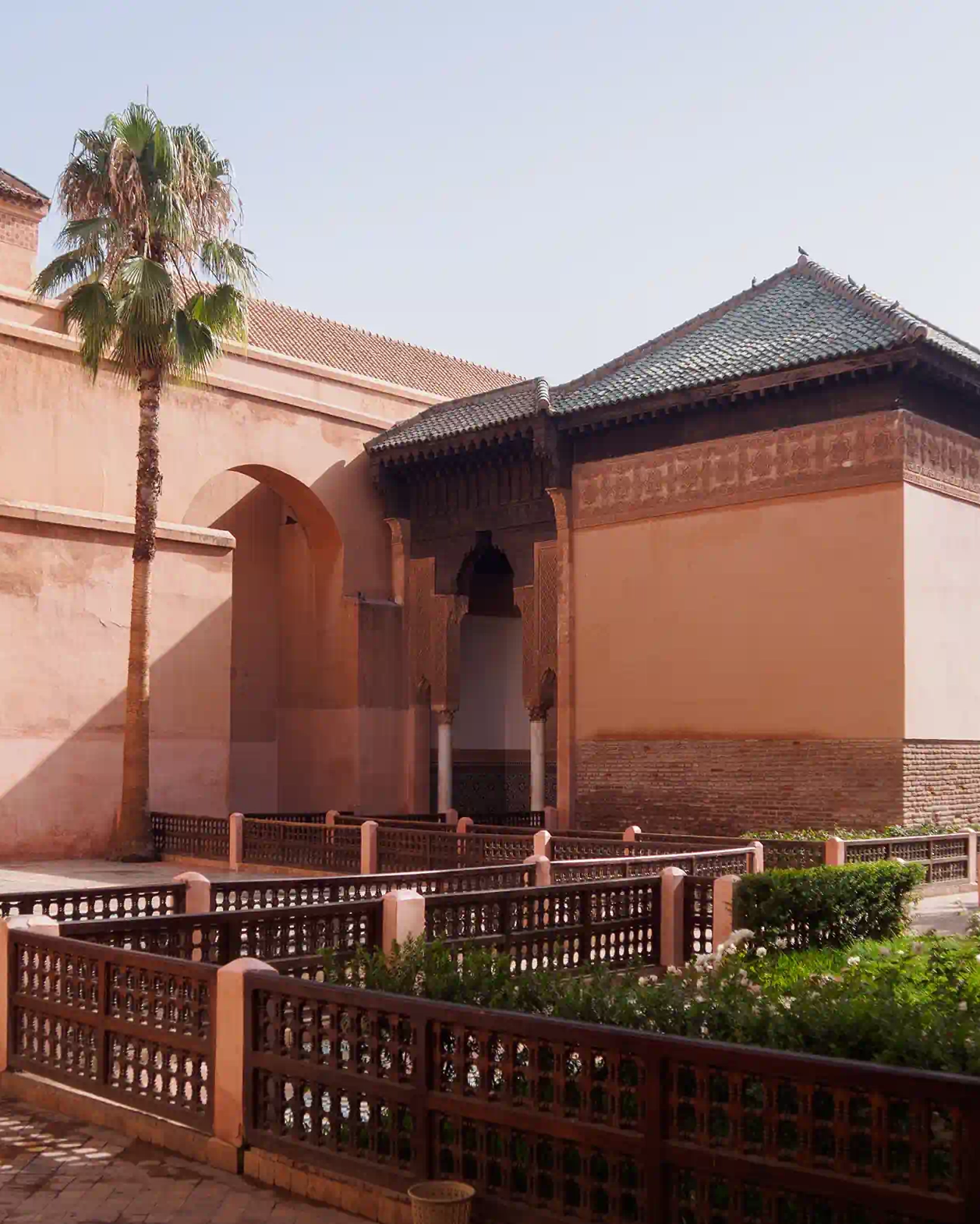
Located in the south of the Kasbah Mosque, the Saadian Tombs are a 16th-century royal necropolis built during the reign of Sultan Ahmad al-Mansour. This site, which remained buried for a long time before being rediscovered, now fascinates visitors with its rich decorations: marble, carved stucco and zellige tiles of remarkable finesse. Testifying to the prestige of the Saadian dynasty, these tombs offer a moving immersion into the past splendour of Marrakech.
Menara Gardens —
A haven of tranquillity far from the hustle and bustle of the medina.
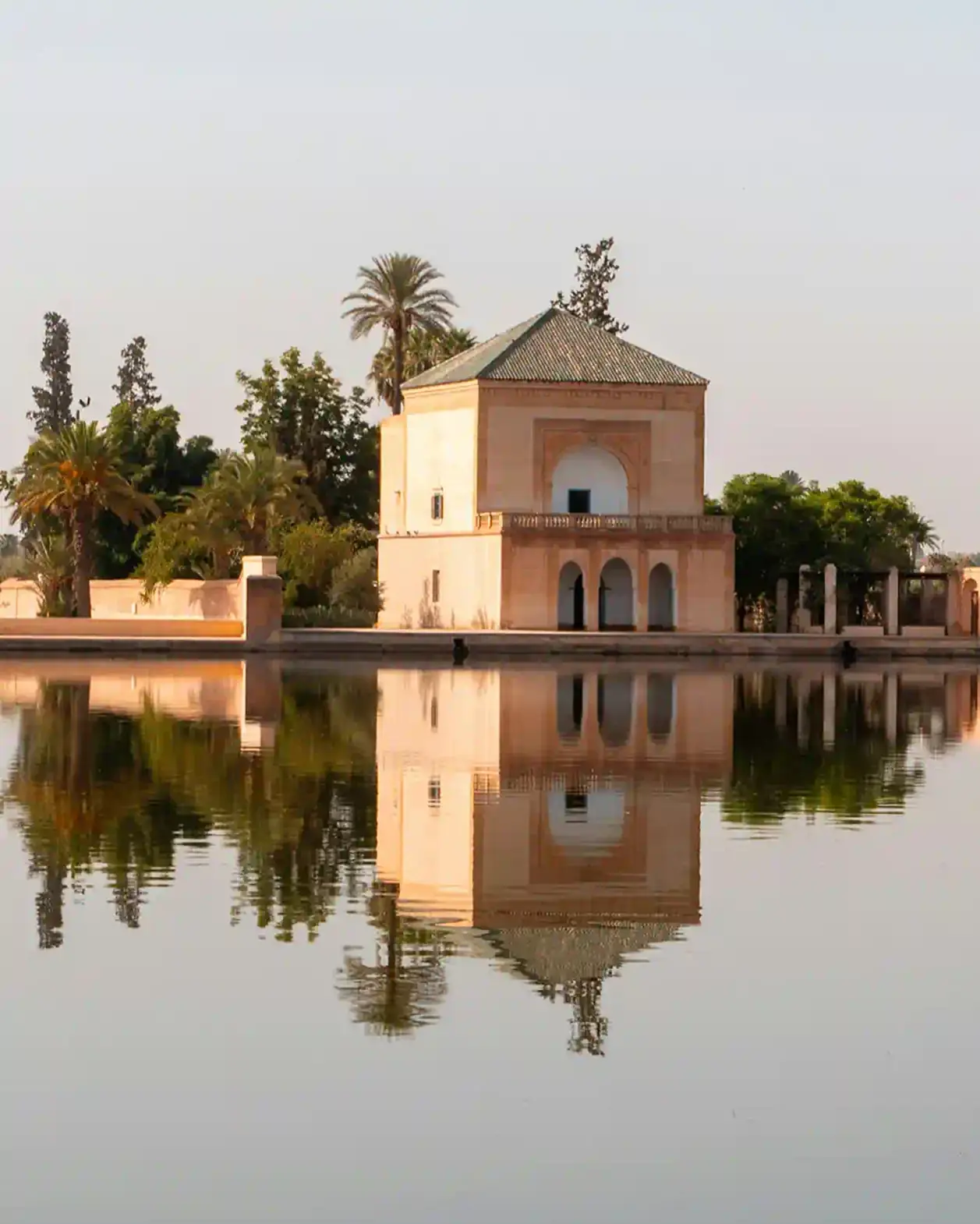
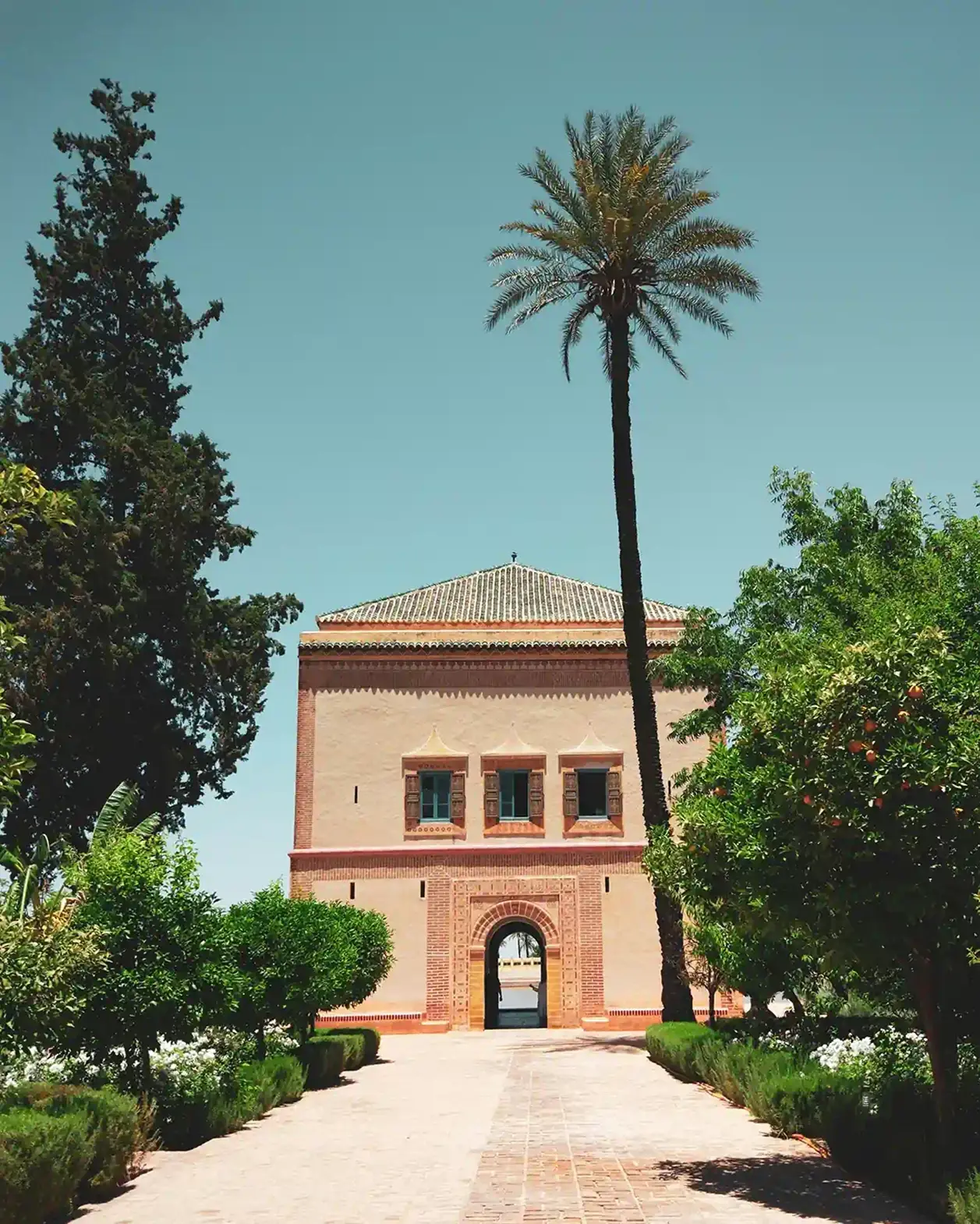
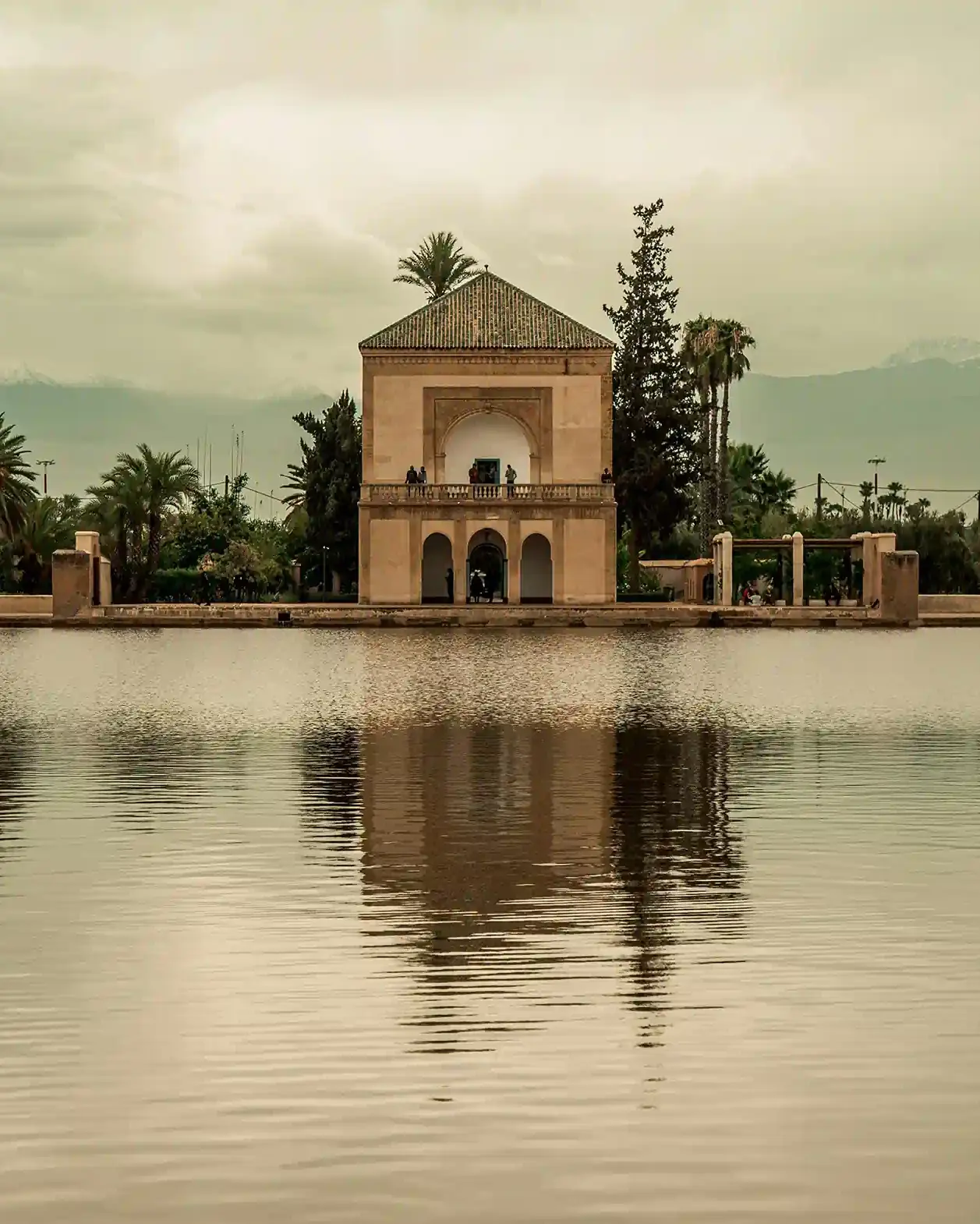
Created in the 12th century by the Almohad dynasty, these historic gardens are centred around a large irrigation basin topped by a 19th-century green-roofed pavilion. Lined with centuries-old olive trees and with the snow-capped peaks of the Atlas Mountains in the background, they invite visitors to stroll, relax and take photographs, offering a rare moment of serenity in the heart of the city.
Majorelle Garden —
The Majorelle Garden continues to fascinate…
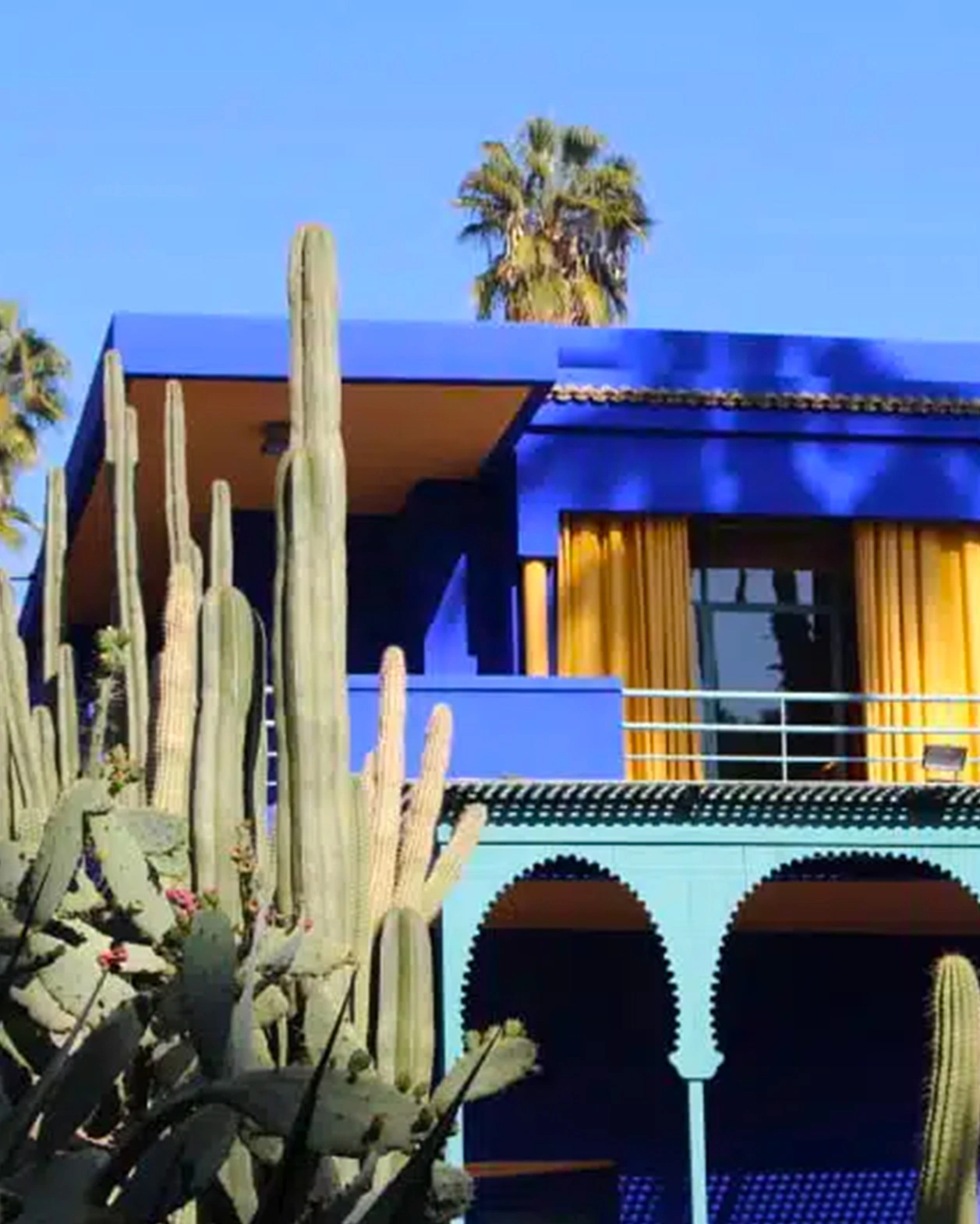
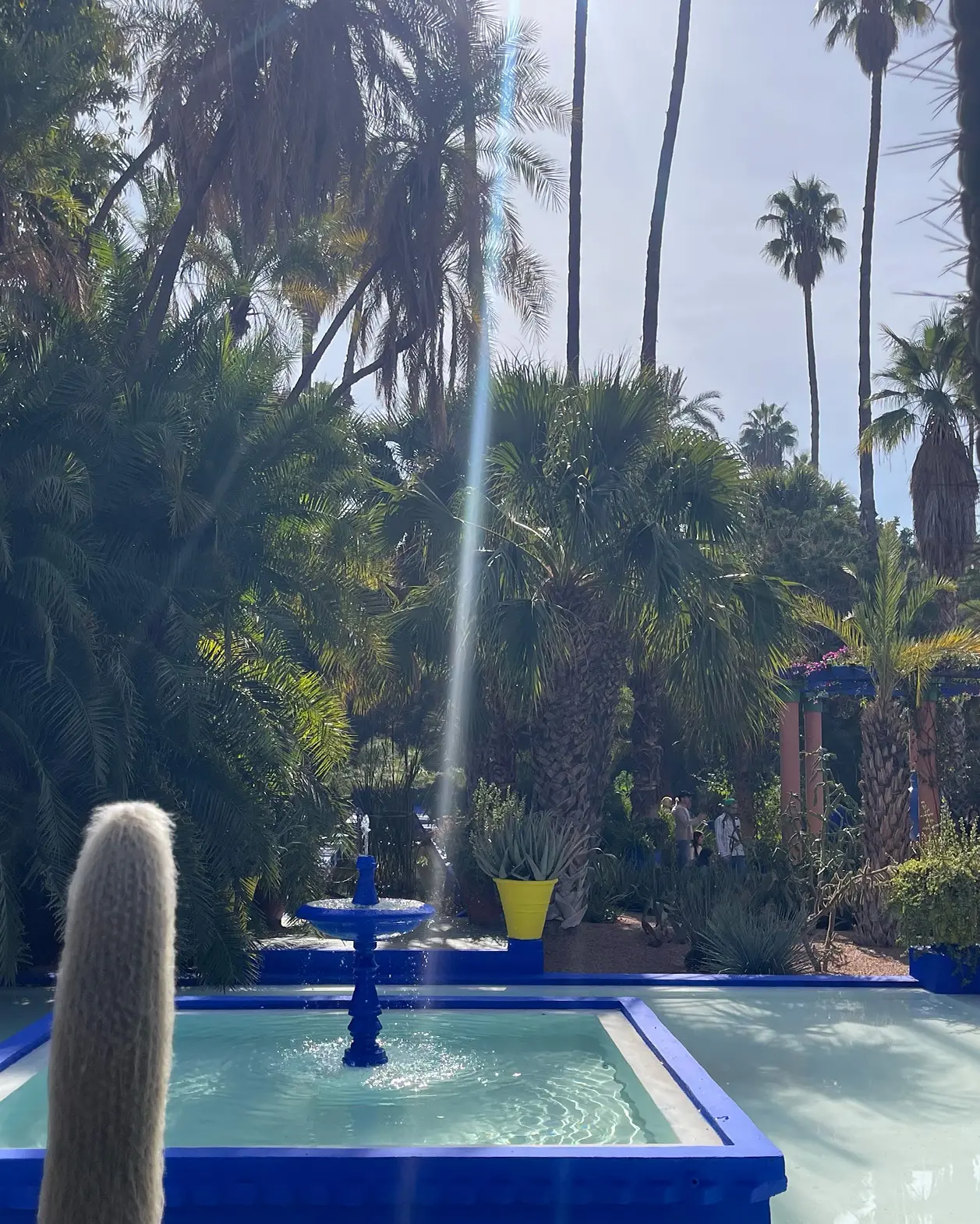
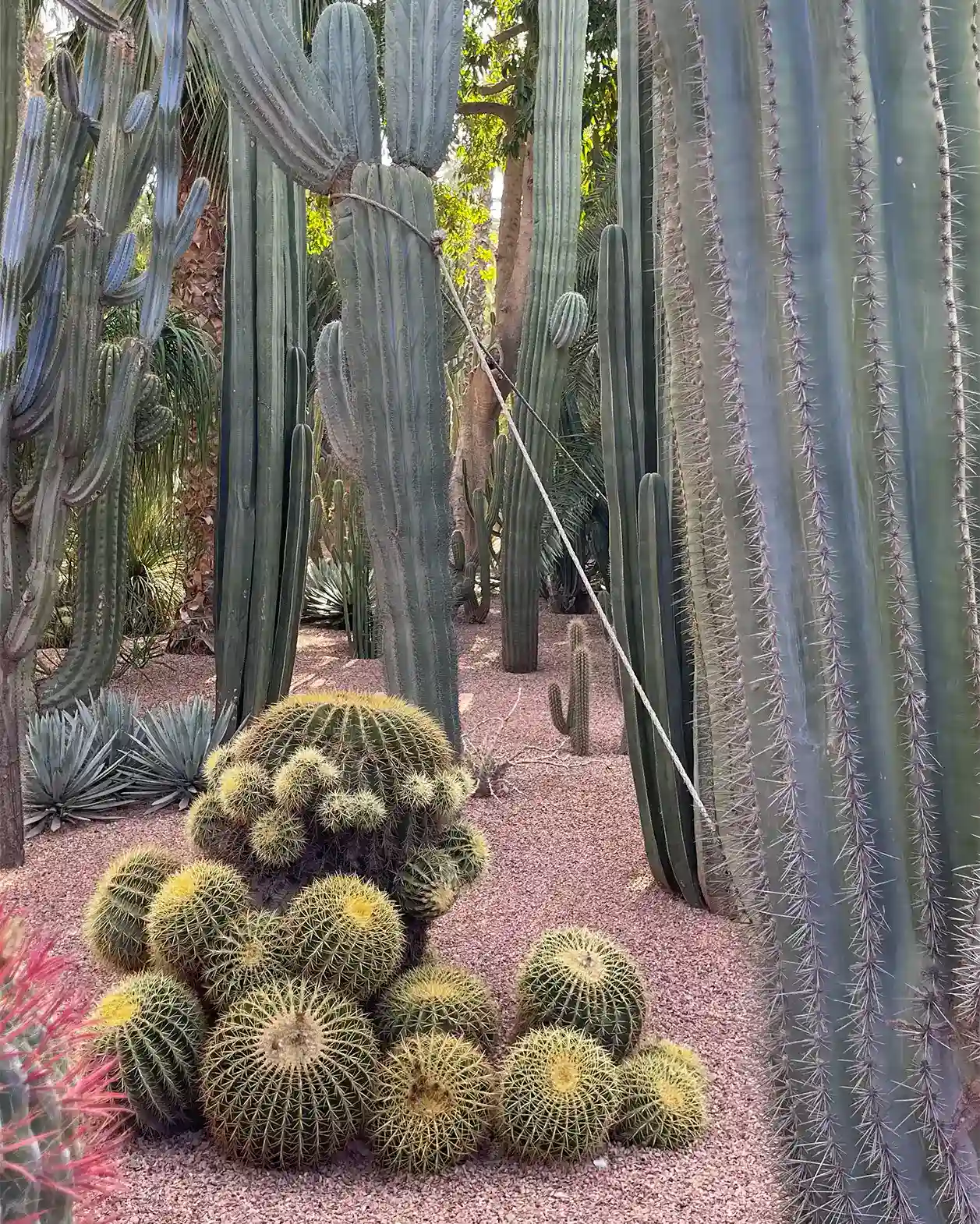
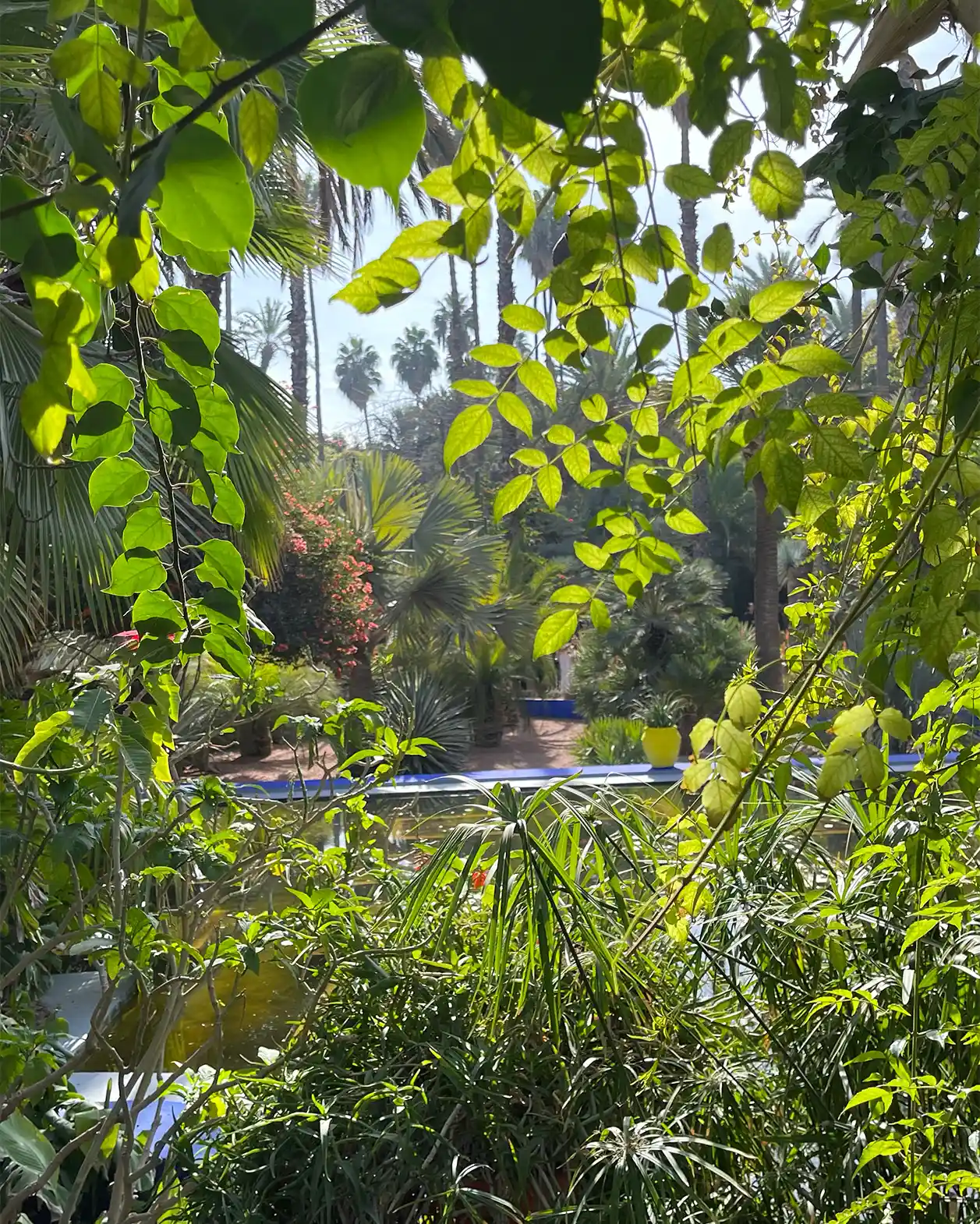
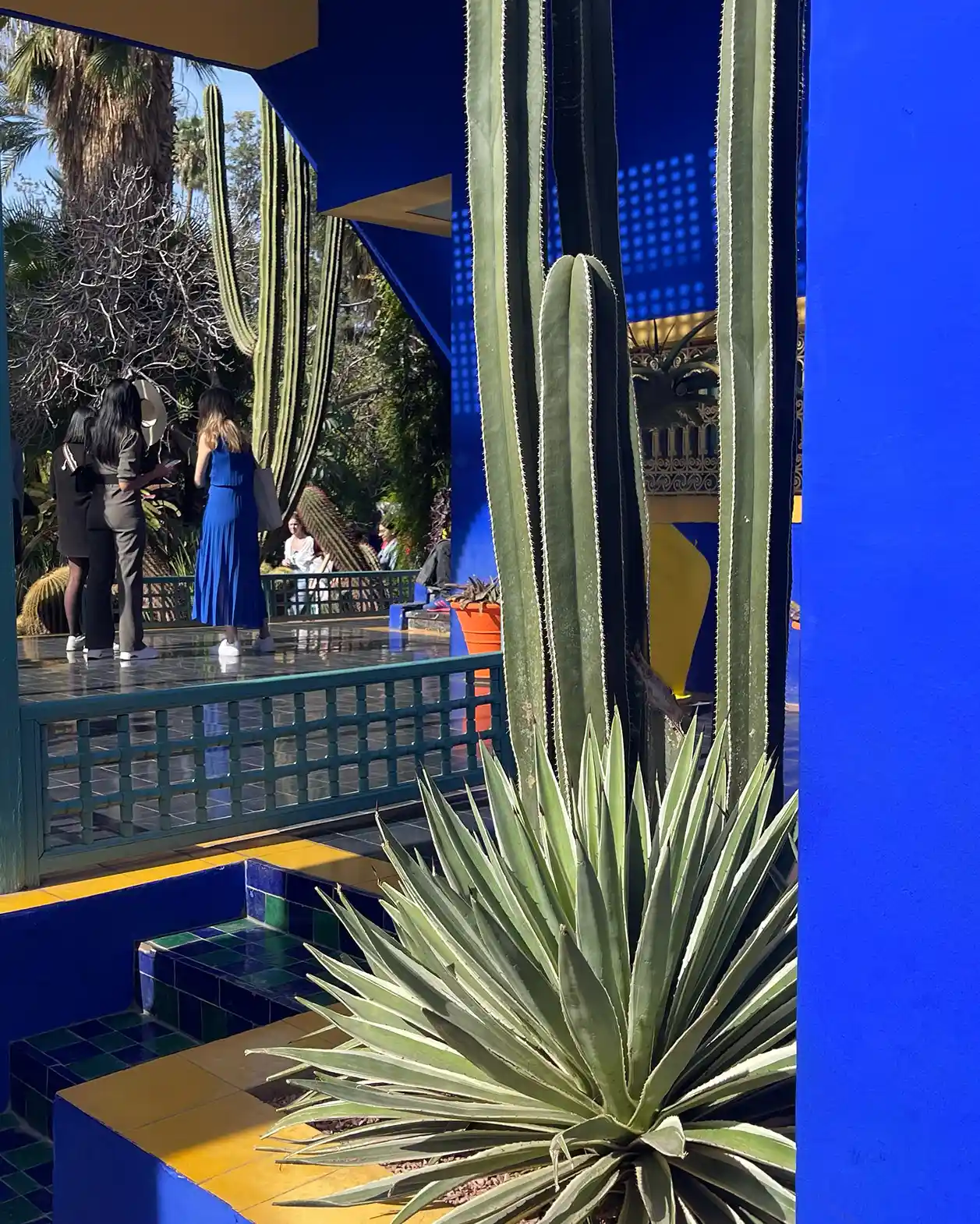
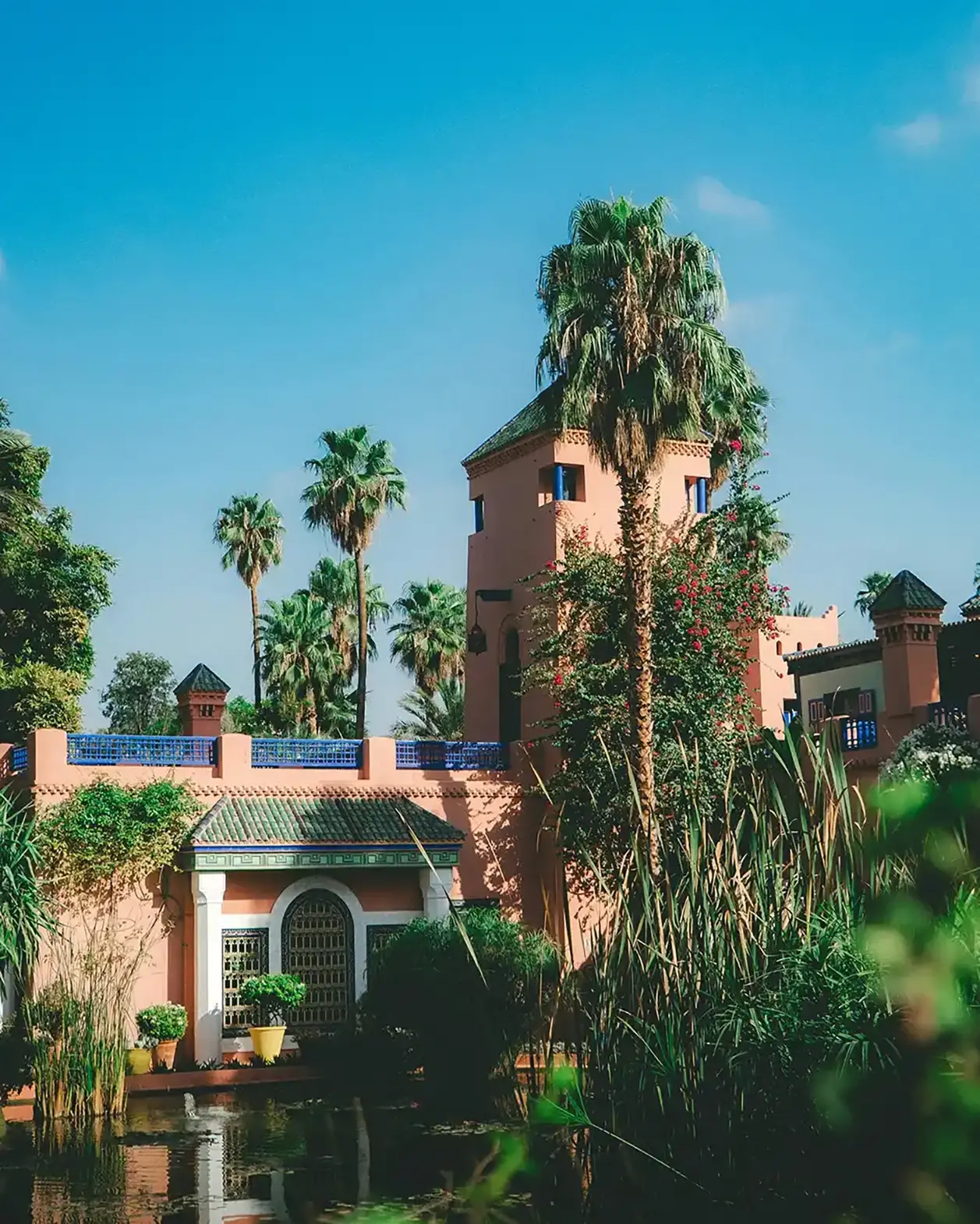
Enamoured with Moroccan landscapes and their lush flora, painter Jacques Majorelle created a paradise-like residence for himself in the early 1920s on the red earth of Marrakesh. This garden was established in 1929. Inside, overlooking the exotic garden criss-crossed with streams and ponds filled with water lilies, stands an Art Deco Moorish villa, designed by architect Paul Sinoir in 1931 – where the artist set up his studio on the ground floor. Its colour? Blue. A luminous blue inspired by the waters of the Atlas Mountains, which now bears the name Majorelle blue. A rather rare and instantly recognisable shade.
Yves Saint Laurent Museum —
The legacy of an iconic couturier.
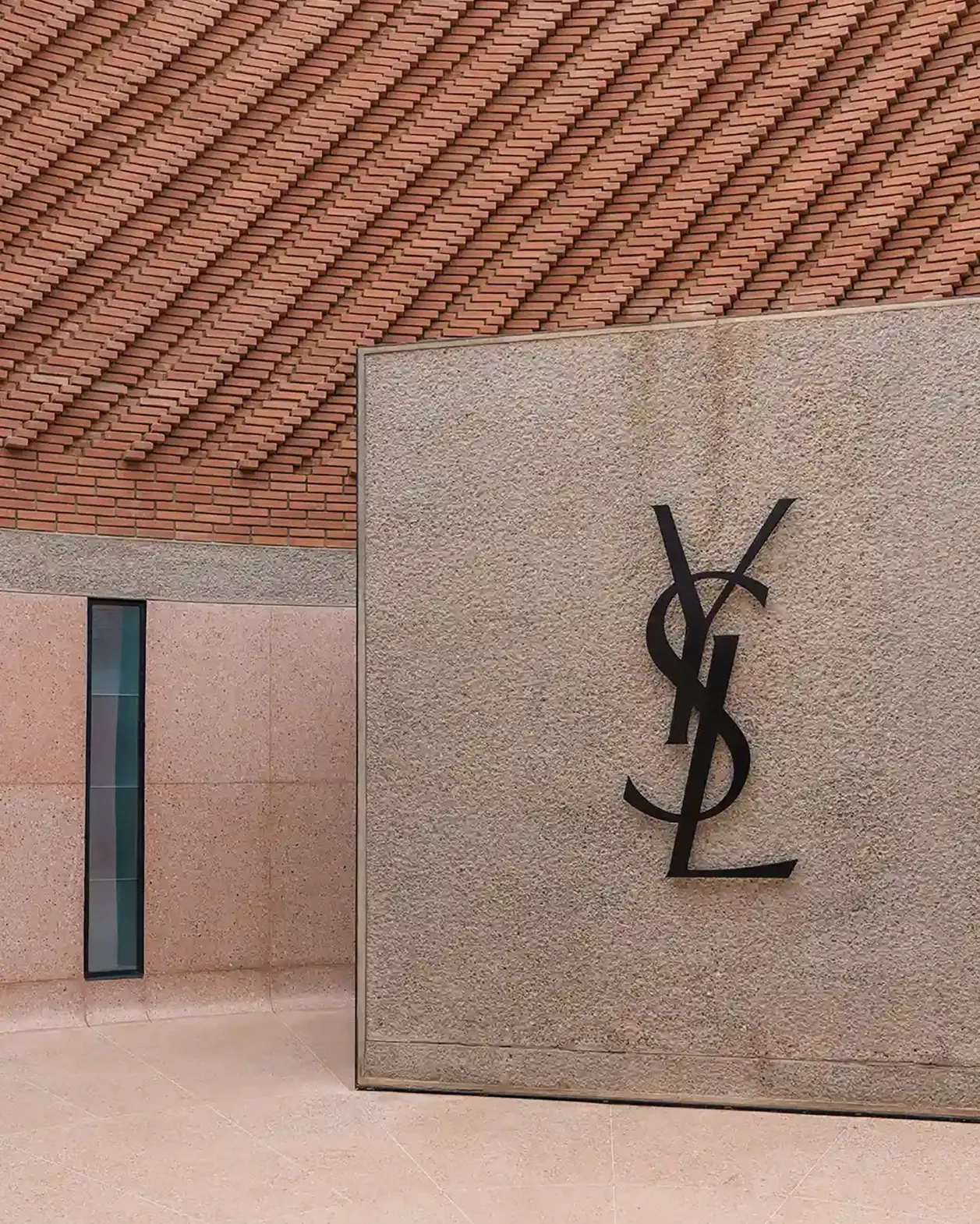
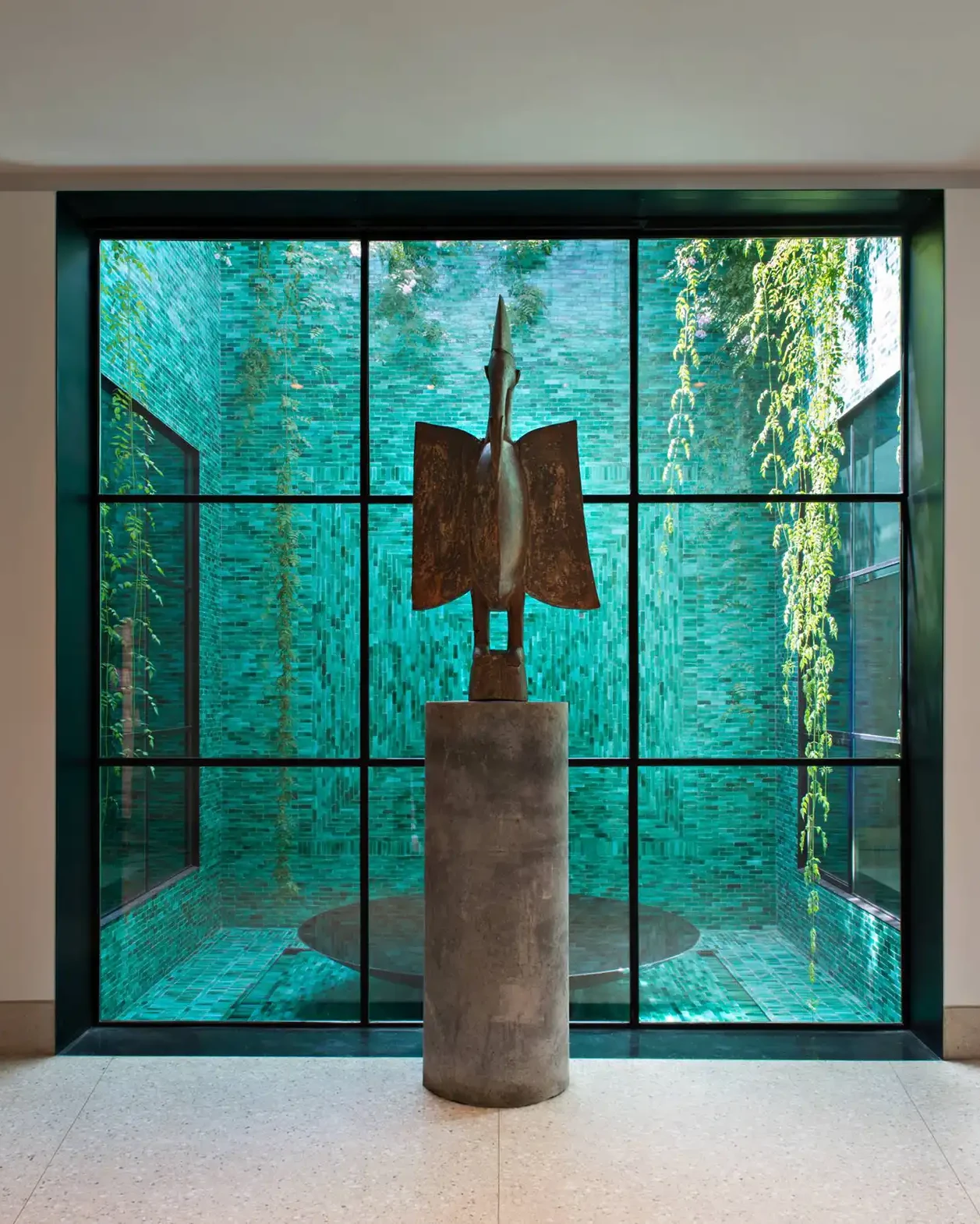
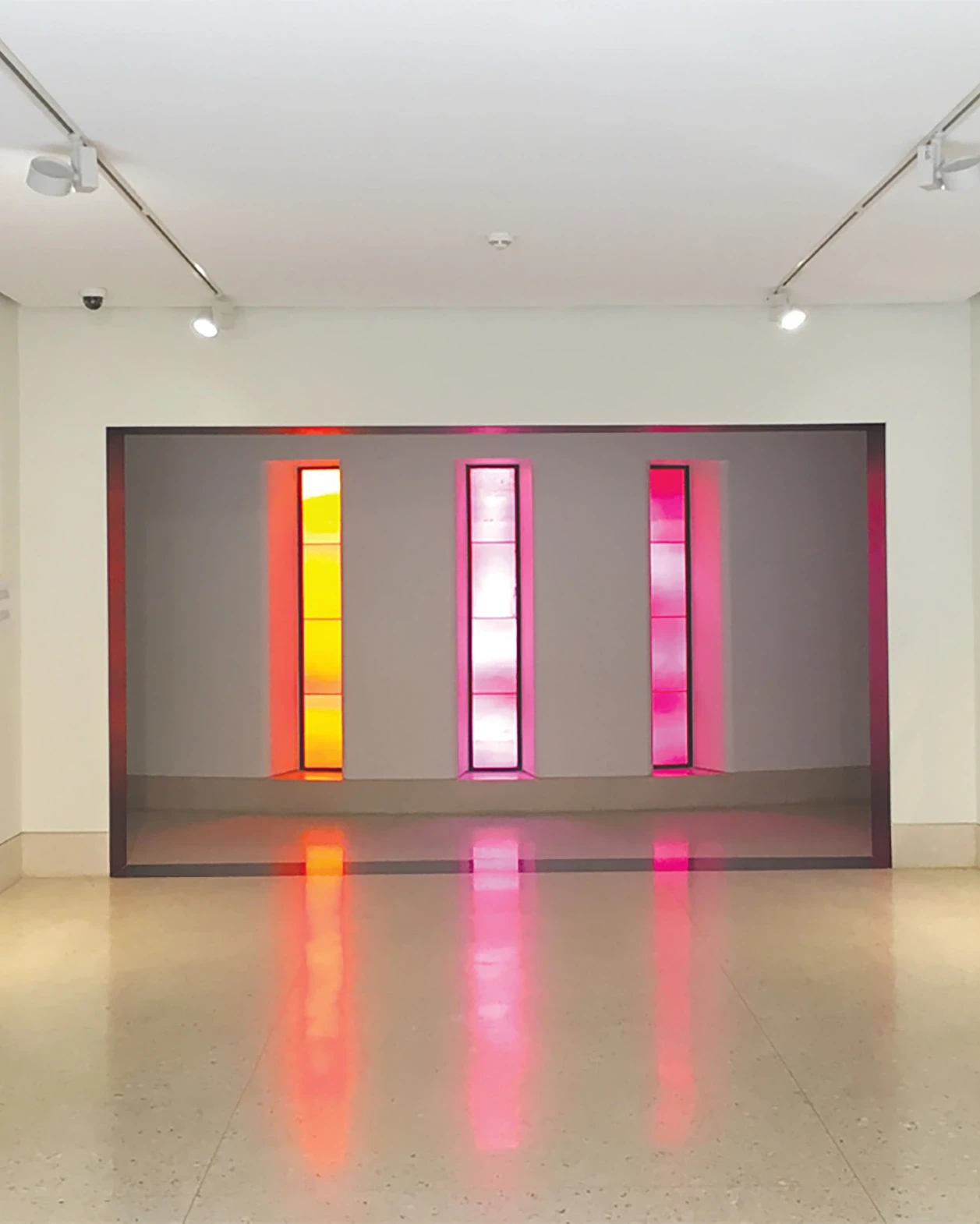
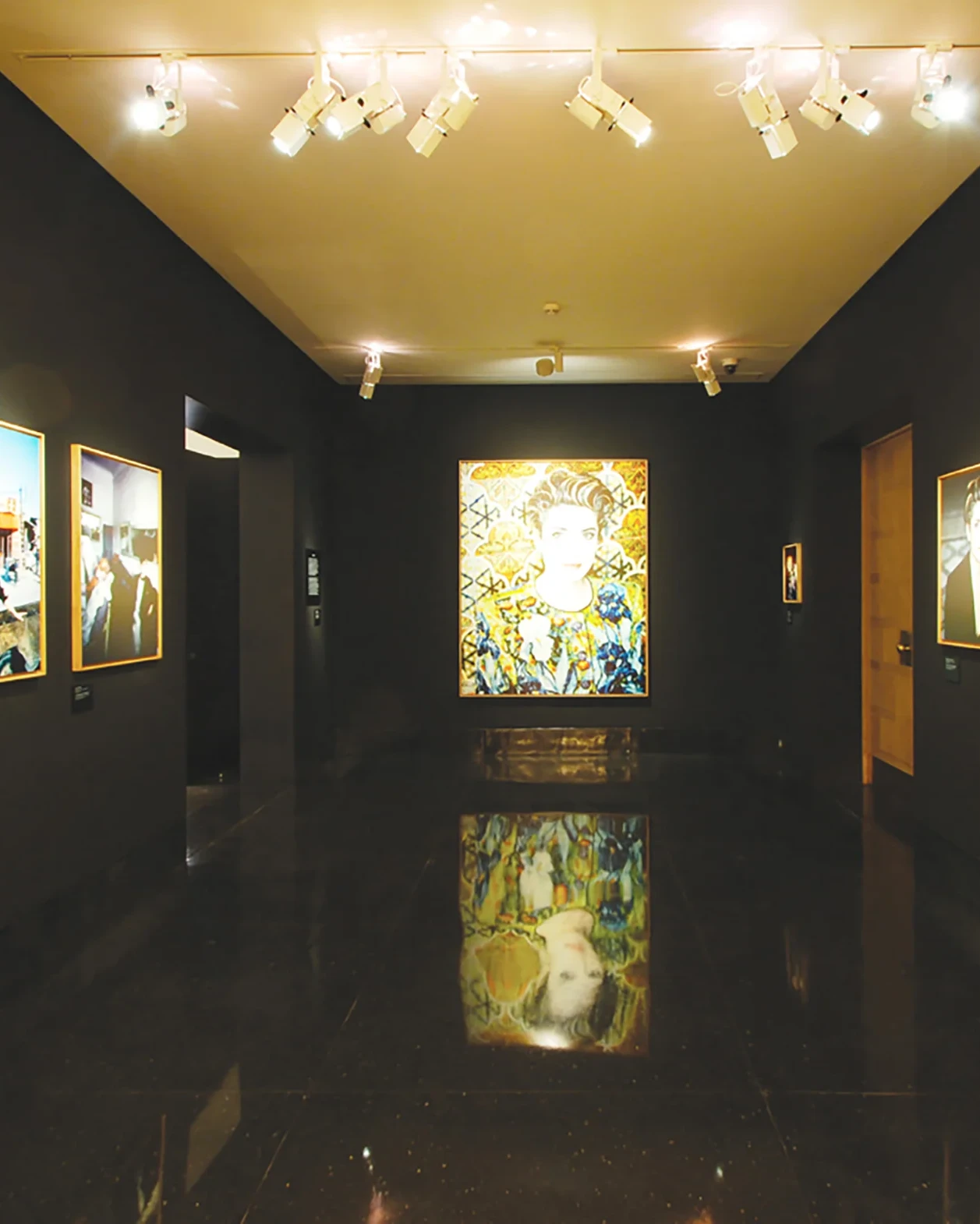
A stone’s throw from the Majorelle Garden acquired by Yves Saint Laurent and Pierre Bergé in 1980, the Yves Saint Laurent Museum celebrates the work of the iconic fashion designer and the story of their life in Marrakech. In a modern building of nearly 4,000 m², the permanent exhibitions highlight Moroccan art and pay tribute to Jacques Majorelle. Its bold architecture, reminiscent of the weave of a fabric, makes it a must-see for lovers of fashion, design and culture.
Palmeraie —
A majestic oasis at the gateway to the Atlas Mountains.
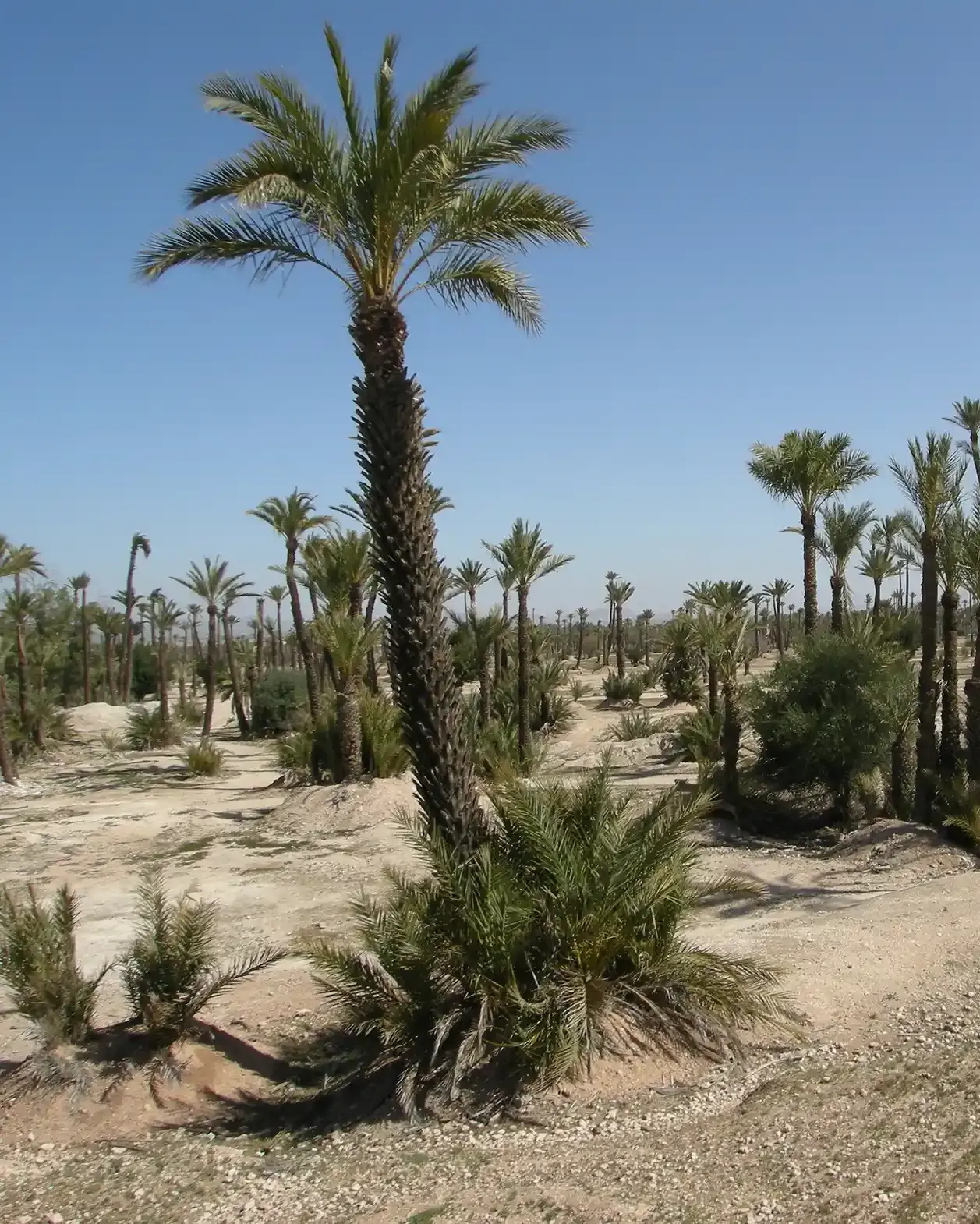
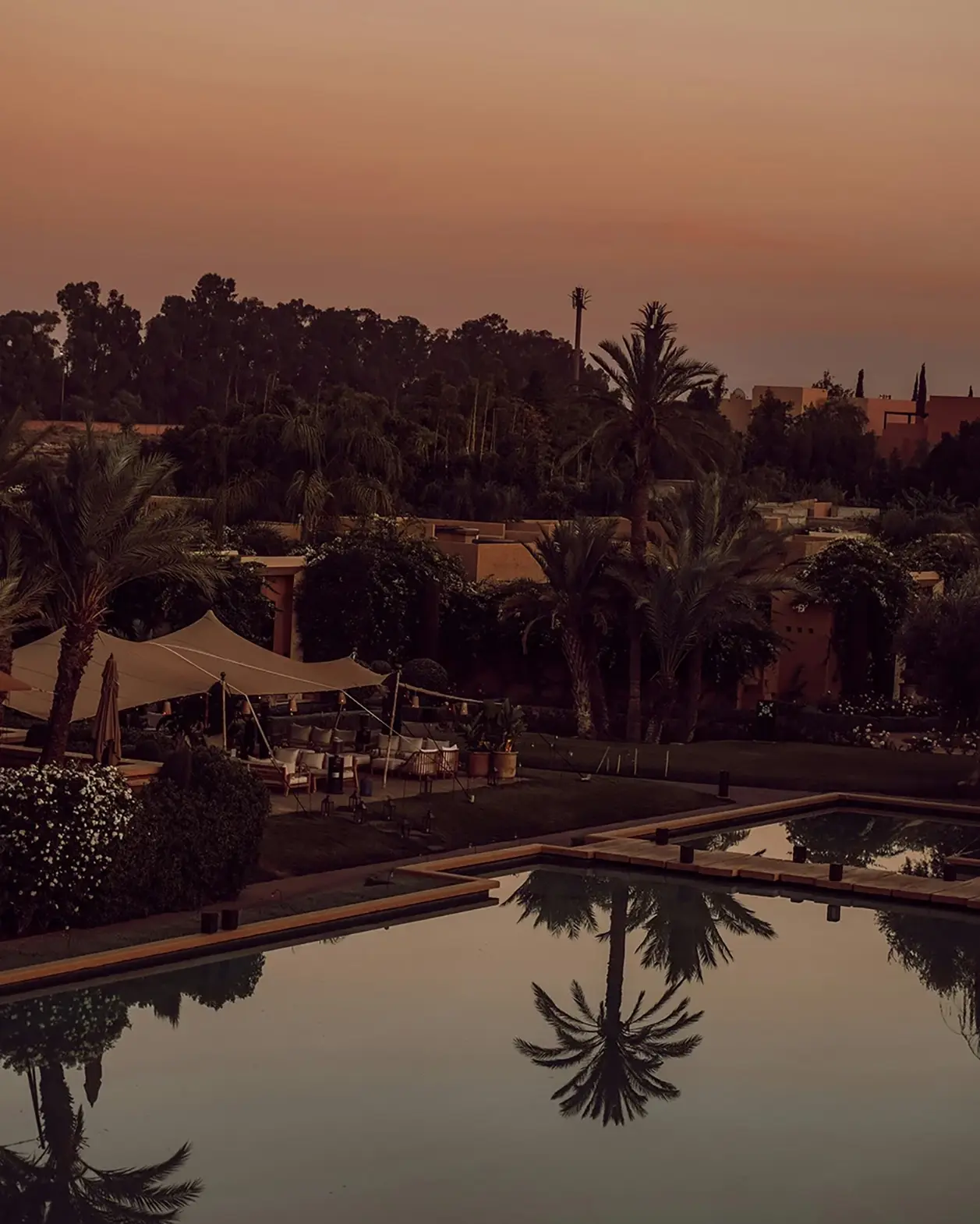
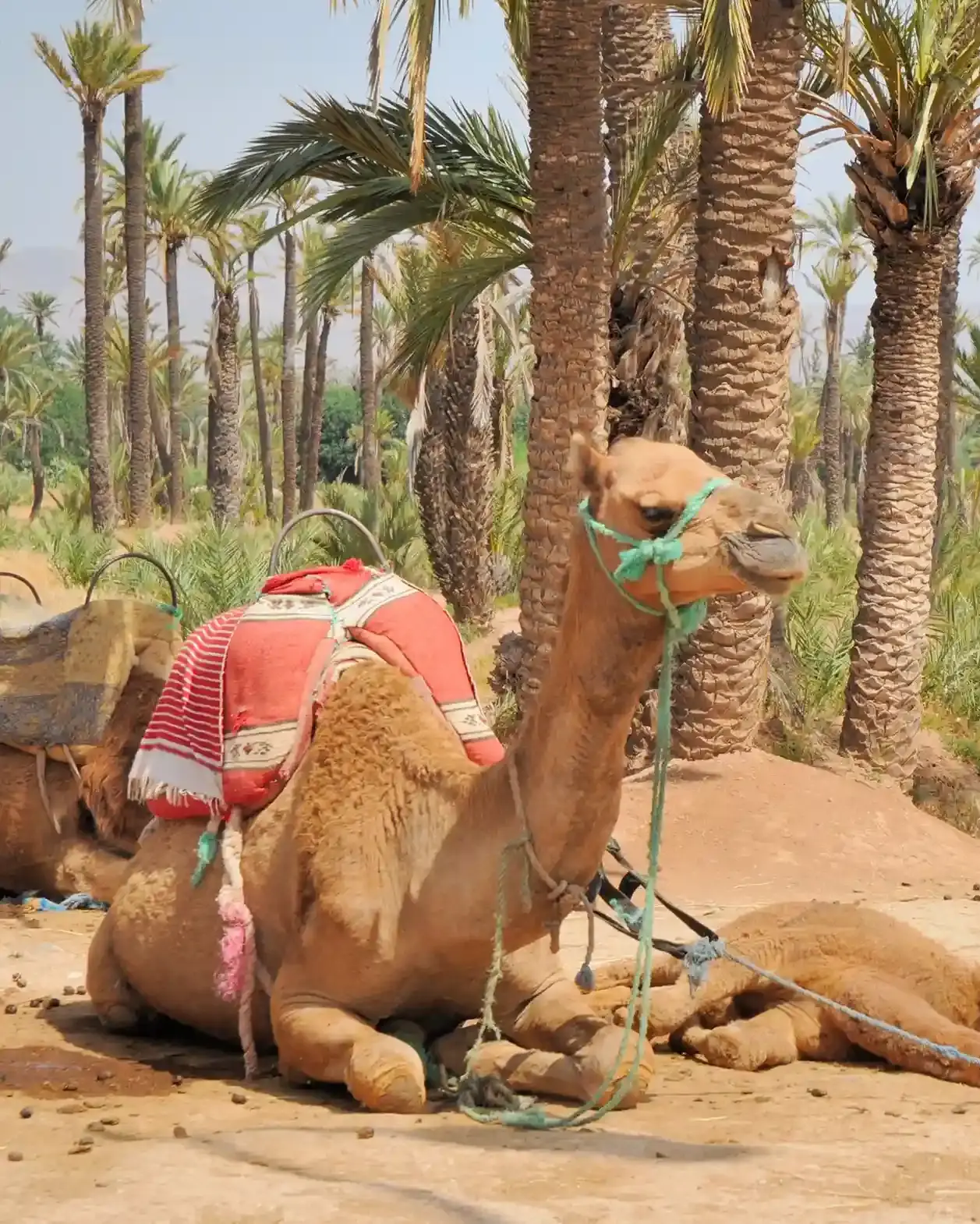
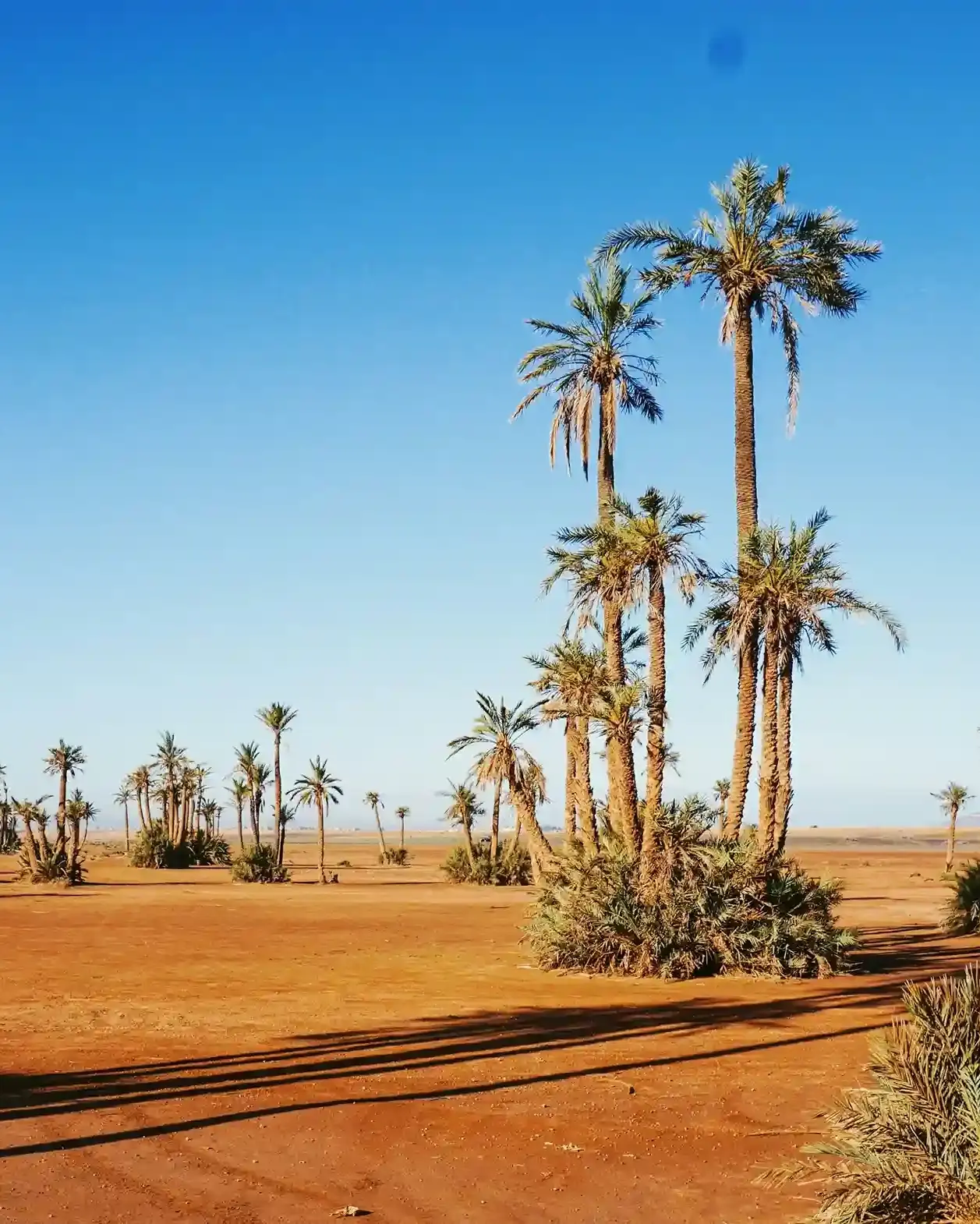
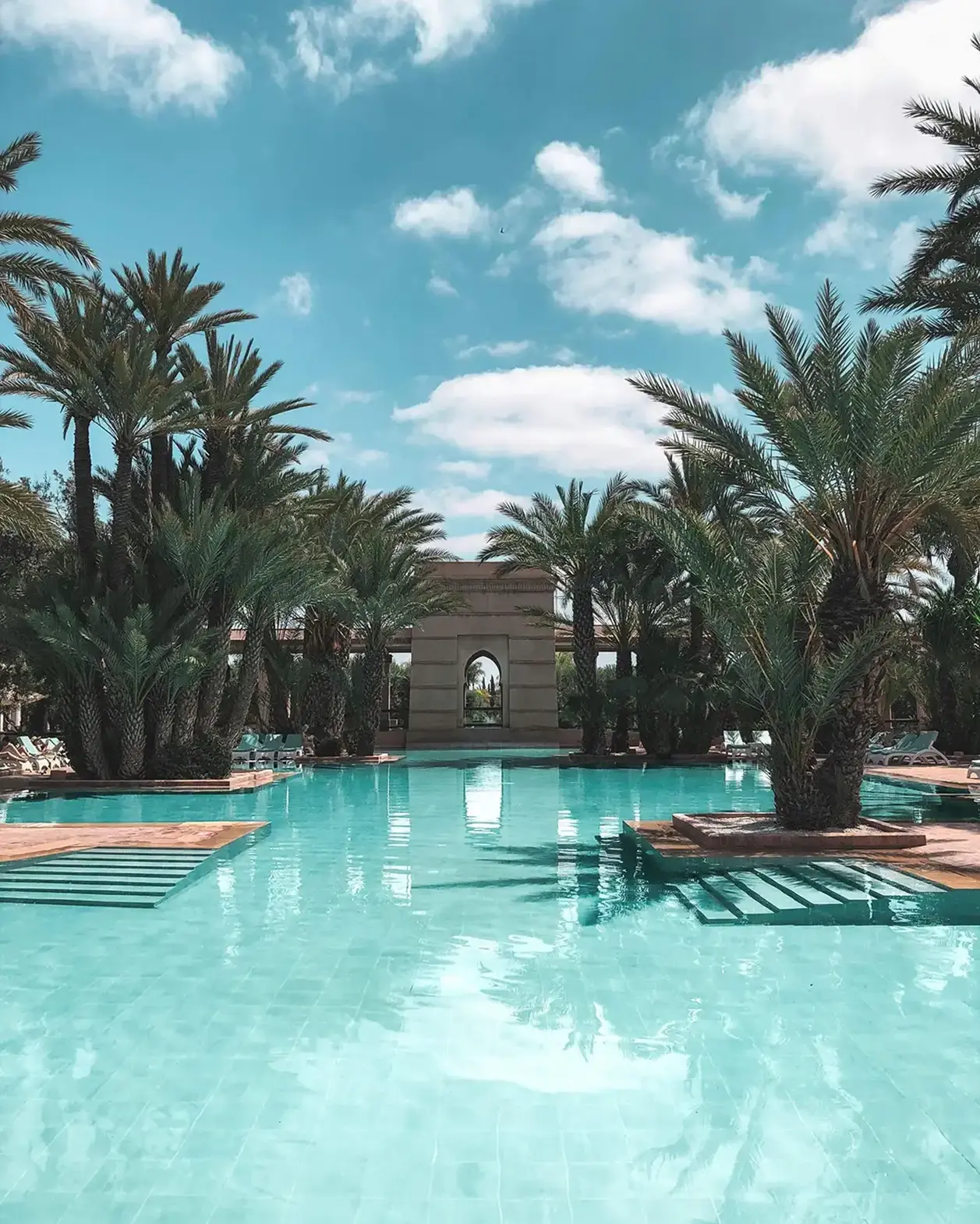
The Palmeraie of Marrakech, a legendary 15,000-hectare expanse, stretches out at the foot of the Atlas Mountains like a sea of palm trees swaying in the wind. With over 100,000 palm trees and a profusion of fig, pomegranate, orange and grapevines, this veritable haven of greenery invites you to dream and escape, far from the hustle and bustle of the city. Strolling through its alleys, you can see the timeless beauty of Morocco and soak up an almost magical calm.
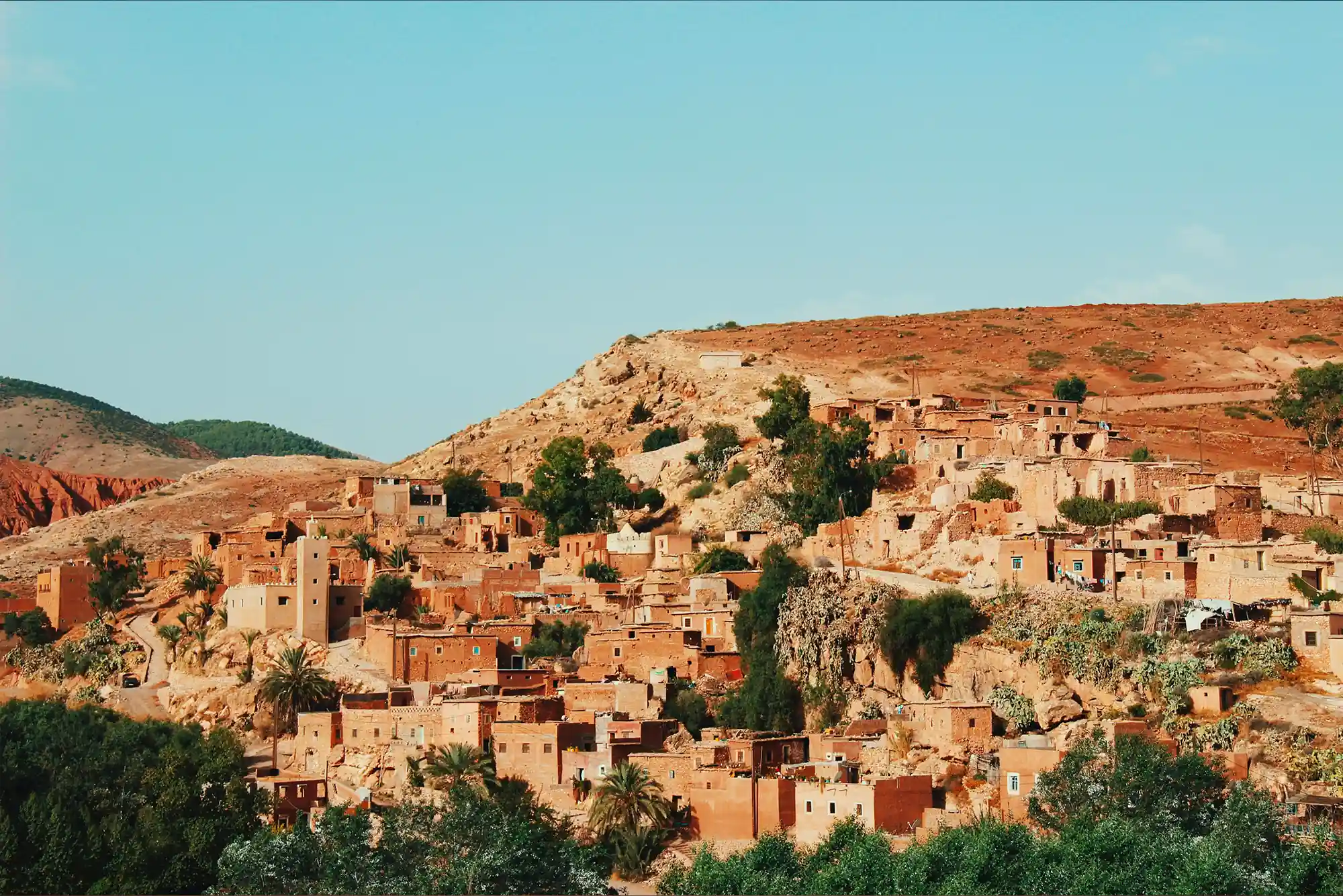
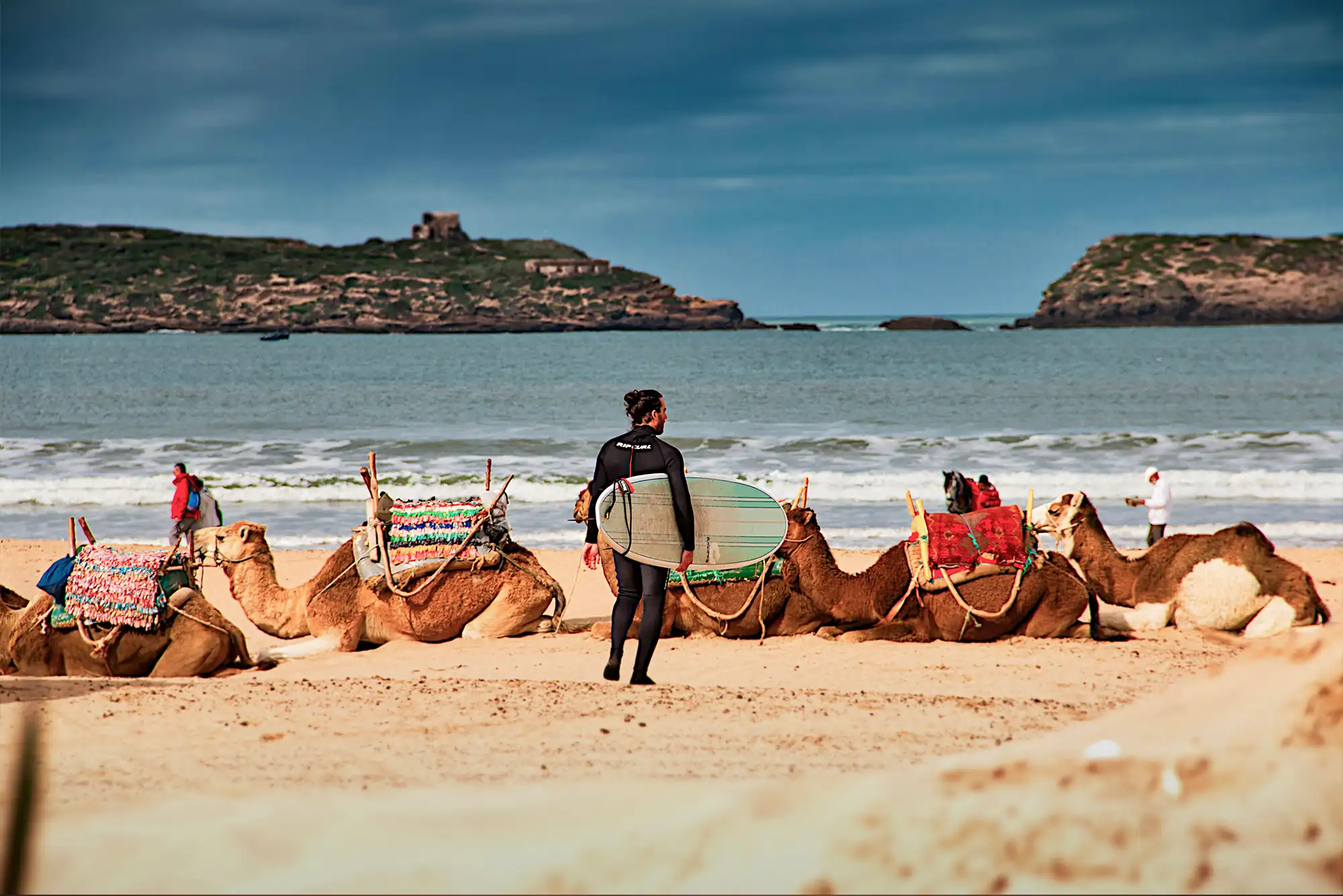
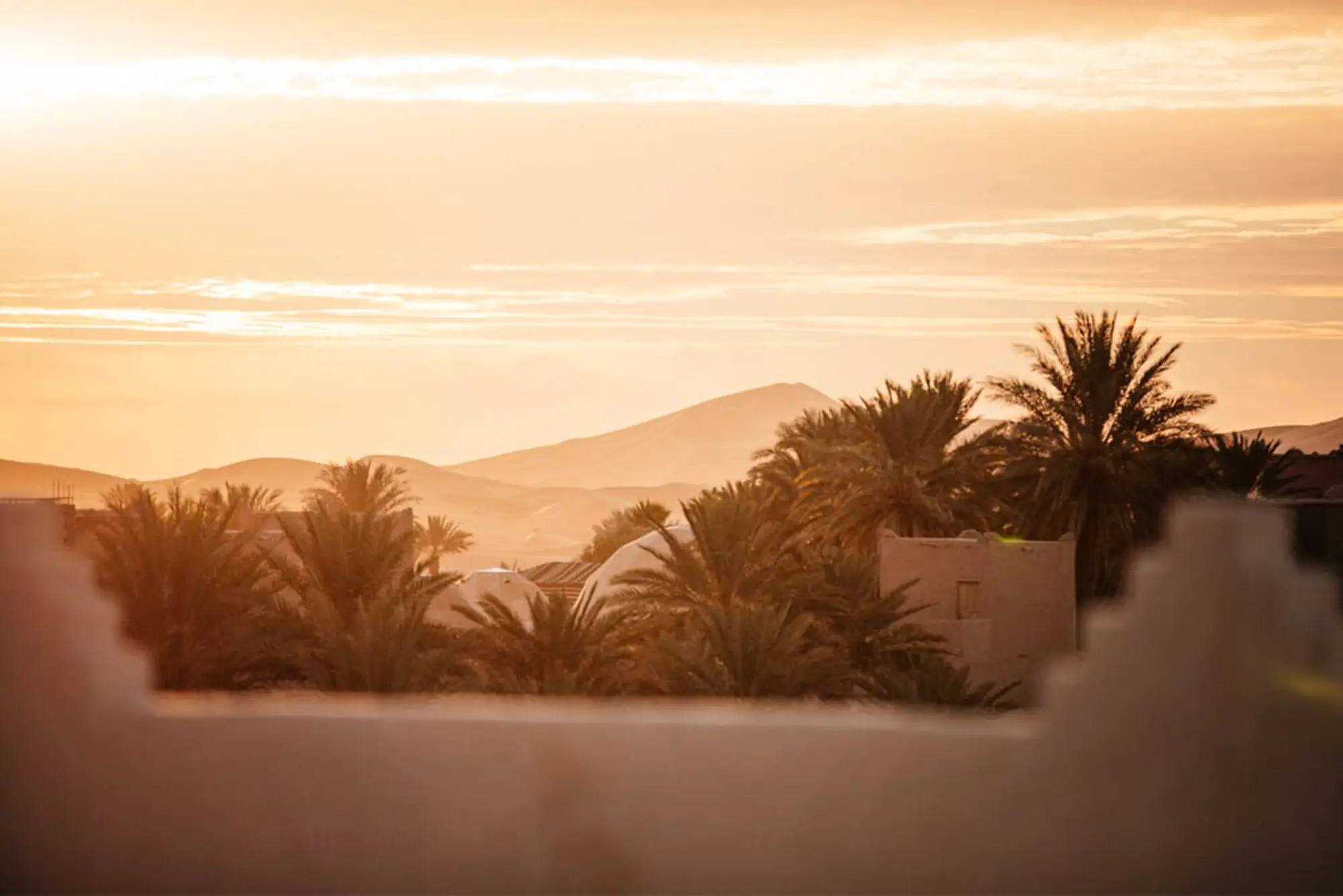
— Discover our excursions —
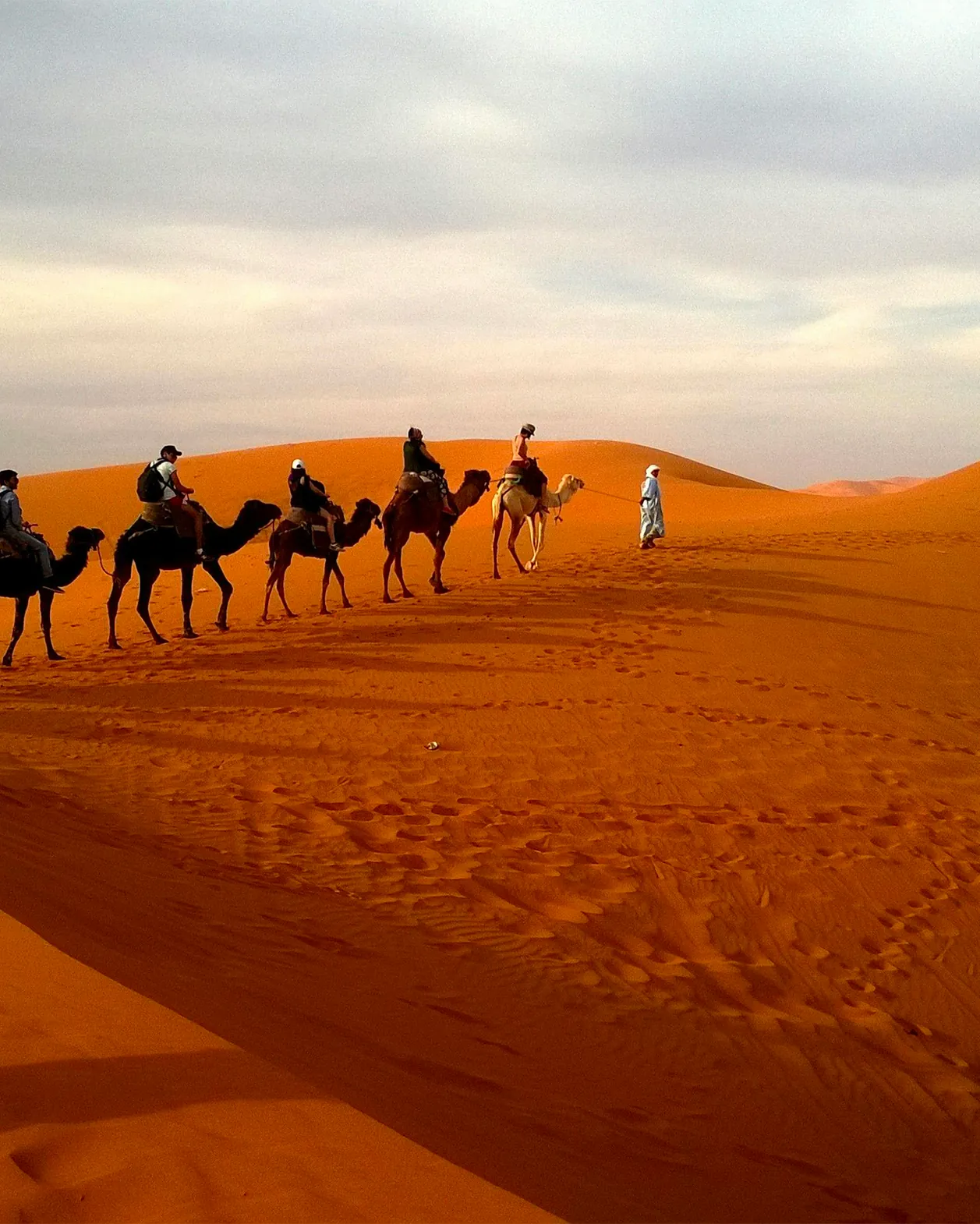
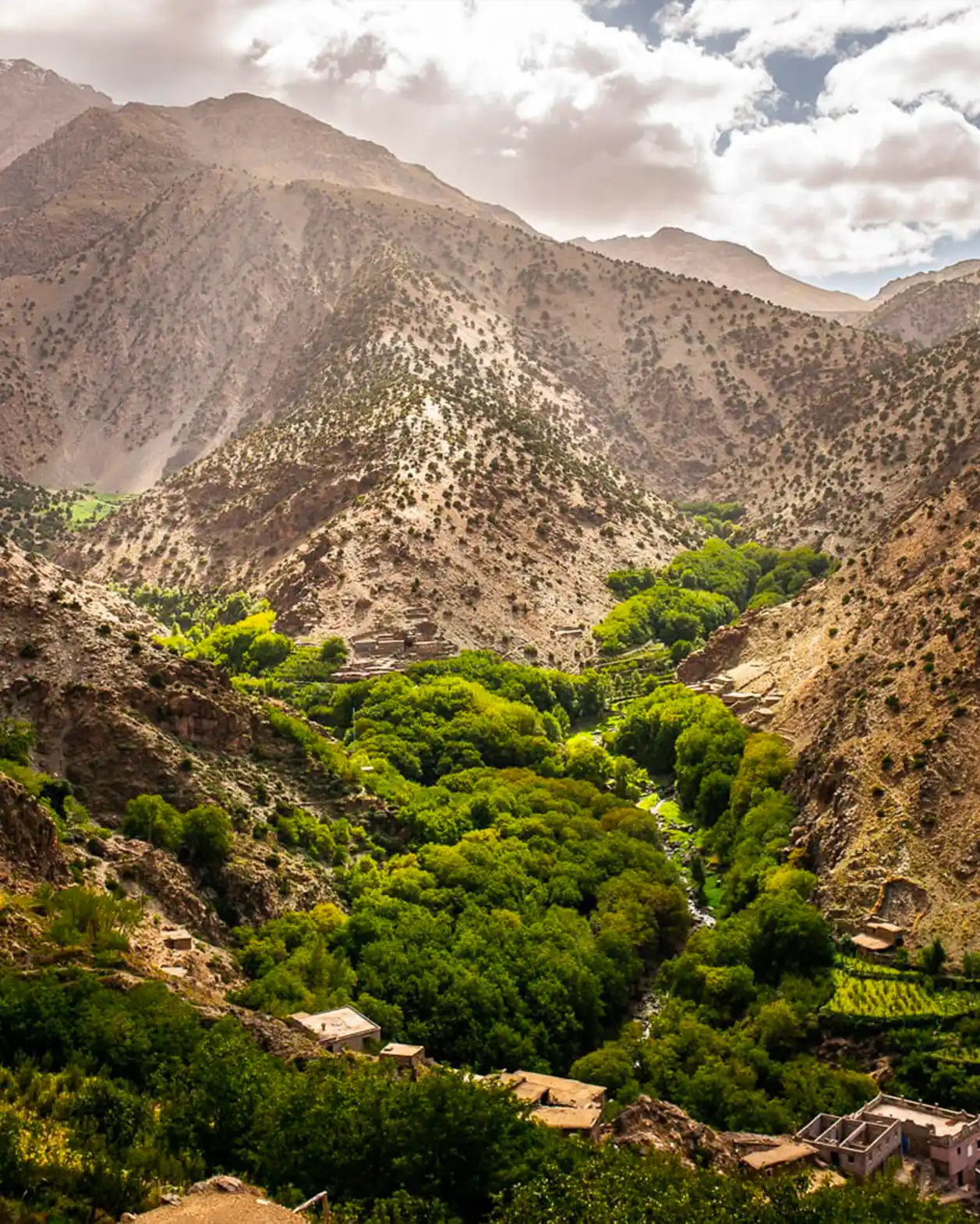
From the Atlas to the desert, unforgettable escapes.